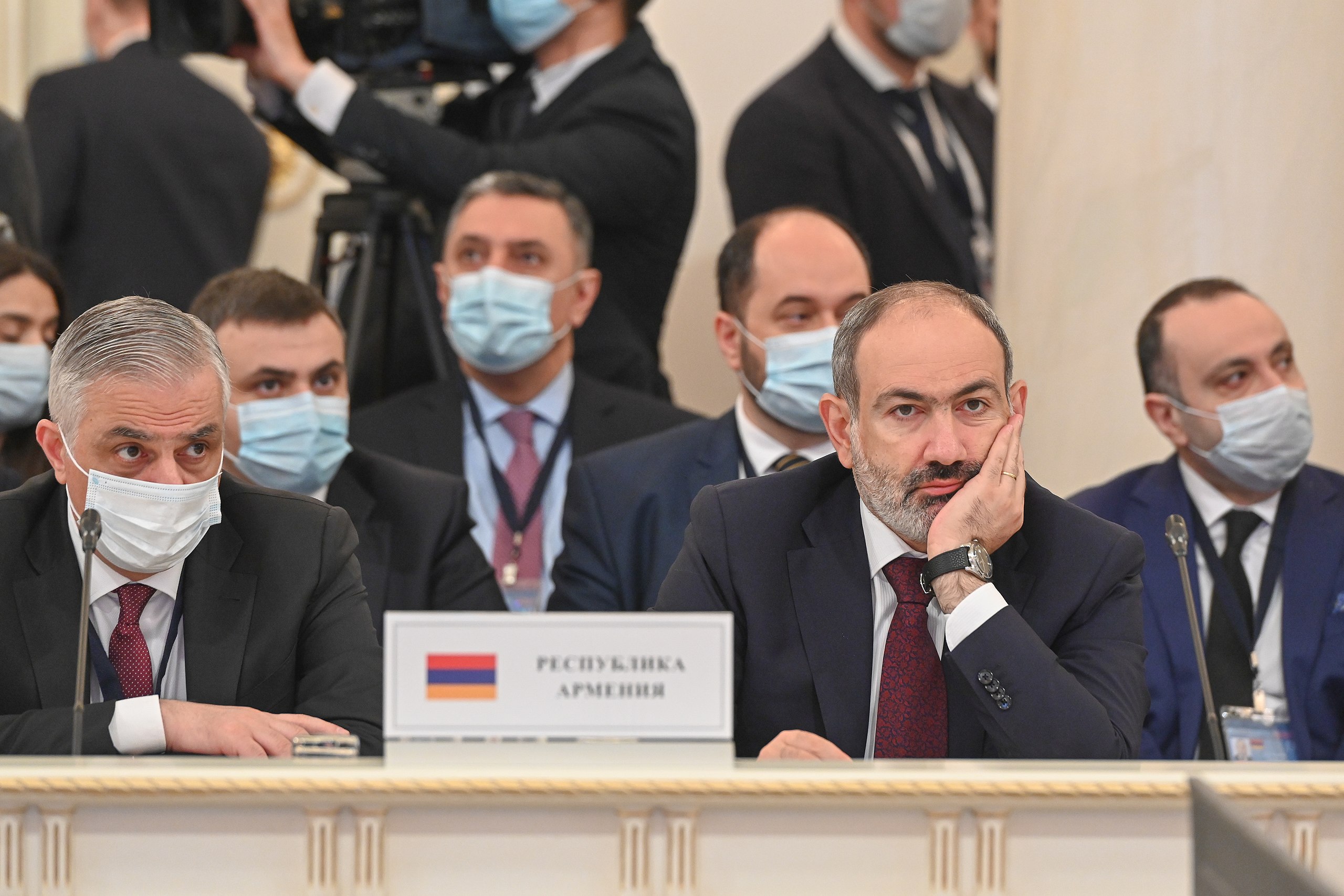

ASTANA – Kazakhstan and Armenia have formally elevated their bilateral relations to a strategic partnership following a landmark summit between Kazakhstan’s President Kassym-Jomart Tokayev and Armenian Prime Minister Nikol Pashinyan in Astana on November 21, 2025. The decision was sealed in a joint statement and framed as the start of a new phase of cooperation between the two Eurasian partners.
Political and Diplomatic Outcomes
President Tokayev highlighted the political significance of the upgrade, emphasizing that Armenia is one of Kazakhstan’s key political, trade, and economic partners in the South Caucasus. He stated that an “open and trusting political dialogue has been established between Astana and Yerevan at all levels,” leading to “truly constructive” interstate ties.
During the official visit, which was Pashinyan’s first to Astana, the two sides exchanged 15 intergovernmental and interagency documents. These agreements cover a broad range of areas, including:
- Protection of classified information.
- Allocation of land for diplomatic missions.
- A trade and economic roadmap for 2026–2030.
- Cooperation in industry, agriculture, healthcare, science, education, digitalisation and artificial intelligence.
- The peaceful use of atomic energy.
- New links between national museums, libraries and film institutions.
In recognition of his role in Armenia’s development, regional peace efforts, and strengthening bilateral ties, President Tokayev awarded Prime Minister Pashinyan the Order of Altyn Qyran (Golden Eagle), Kazakhstan’s highest state honour.
Economic and Connectivity Initiatives
Trade and connectivity are critical components of the new partnership, with a Kazakhstan–Armenia Business Council established to integrate companies into the process.
Trade and Investment
Bilateral trade figures cited in the sources show differing values but a clear upward trend:
- Armenian Economy Minister data shows bilateral trade reached 104$ million in 2023, a 2,4-fold increase from 2020.
- Kazakh figures show mutual trade at 53,1$ million by the end of 2023.
- Other reports indicate bilateral trade reached 82$ million (a sixfold jump since 2020) and 57$ million over the first eight months of 2024.
Kazakhstan has proposed 348$ million worth of exports to Armenia and is ready to regularly supply the nation with grain and other goods. A delegation of Armenian entrepreneurs is expected to visit Kazakhstan to explore joint ventures, particularly in agriculture, where Kazakhstan aims to boost supplies of fruits and vegetables to its western regions.
Transport and Logistics
The leaders prioritised the launch of direct air links and the expansion of air cargo services to boost economic and people-to-people exchanges. Deputy Prime Minister Serik Zhumangarin noted that the return of direct flights, with SCAT and FlyArystan ready to operate, is contingent on overcoming high service costs at Yerevan Airport, which include 1.248$ per ton for jet fuel and 65$ in passenger fees.
These steps are bolstered by improving regional transport conditions. The opening of new transport and economic opportunities follows the 8 August peace agreement between Armenia and Azerbaijan. A significant breakthrough occurred in November when Azerbaijan lifted transit restrictions, allowing the first shipment of 1.000 tons of Kazakh wheat to reach Armenian markets via Azerbaijani territory, establishing a “promising transport corridor.” Kazakhstan has also expressed support for Armenia’s “Crossroads of Peace” transport concept and interest in the “International Route of Peace and Prosperity (hereinafter: TRIPP)” project.
Concluding Outlook
Recently, the Turkic nations of Central Asia have concluded several landmark agreements with other nations, signalling aspirations of greater international integration. With increased political stability, the nations increasingly focus on leveraging their geopolitical position. Adding Armenia to the partnership mix through Kazakhstan does pave the way for stabilising the peace between Azerbaijan and Armenia as well.
However, the question remains of how much such agreements and international integration efforts have potentially dangerous spillover effects on normative policymaking. While integration with Türkyie halts, other nations move closer to Central Asia, raising questions about the importance of shared heritage in this particular political context.