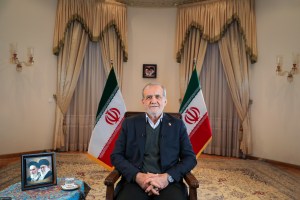
Iran
USA Strike Iran: Seventh Night Widens the War
The United States of America’s (hereinafter: USA) forces struck Iran for a seventh consecutive night on 18 July 2026, expanding their military campaign beyond nuclear and missile facilities to include bridges, energy infrastructure and a railway line in the Persian nation’s north. Iran responded by firing missiles and drones at USA targets in the Gulf...


Khamenei Funeral Tehran Draws Global Delegations
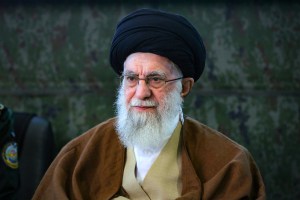
Week-long funeral rites for Iran’s late Supreme Leader Ayatollah Ali Khamenei opened at Tehran’s Imam Khomeini Mosalla Grand Mosque on 3 July 2026, drawing heads of state, parliamentary speakers, foreign ministers and envoys from multilateral organisations spanning Asia, Europe, Africa and the Americas. The Khamenei funeral in Tehran marked one of the largest state ceremonies...
Iran-USA Talks in Switzerland: Hormuz and Sanctions
The first round of talks bewteen Iran and the United States of America (hereinafter: USA) in Switzerland concluded on Monday at the Bürgenstock mountaintop resort, mediators announced, after an opening session that covered oil sanctions relief, the status of the Strait of Hormuz and the ongoing conflict in Lebanon. The quadrilateral format brought together delegations...

Iran: Kuwait Airport Attack Kills One, Wounds 63
Iran Kuwait Airport Attack: One Dead, Dozens Wounded An Iranian drone and missile barrage struck a passenger terminal at Kuwait International Airport on Wednesday 4 June 2026, killing at least one person and wounding 63 others, according to Kuwait’s state news agency. Iran’s Kuwait airport attack caused significant material damage to the terminal building and...

USA-Iran Negotiations Continue Amid Strikes
The government of the United States of America (hereinafter: USA) and the government of the Islamic Republic of Iran continue negotiations aimed at resolving the ongoing conflict through intermediaries based in Pakistan and Qatar. The Foreign Minister of the USA stated on 26 May 2026 that an agreement could be finalised within days. Negotiations proceed...

Iran Accepts USA’s Two-Week Ceasefire Request
The United States of America (hereinafter: USA) and Iran agreed to a two-week suspension of military operations on 7 April 2026. The President of the USA announced the ceasefire less than two hours before a deadline he had established for Iran to reopen the Strait of Hormuz. Tehran submitted a 10-point proposal that Trump described...