
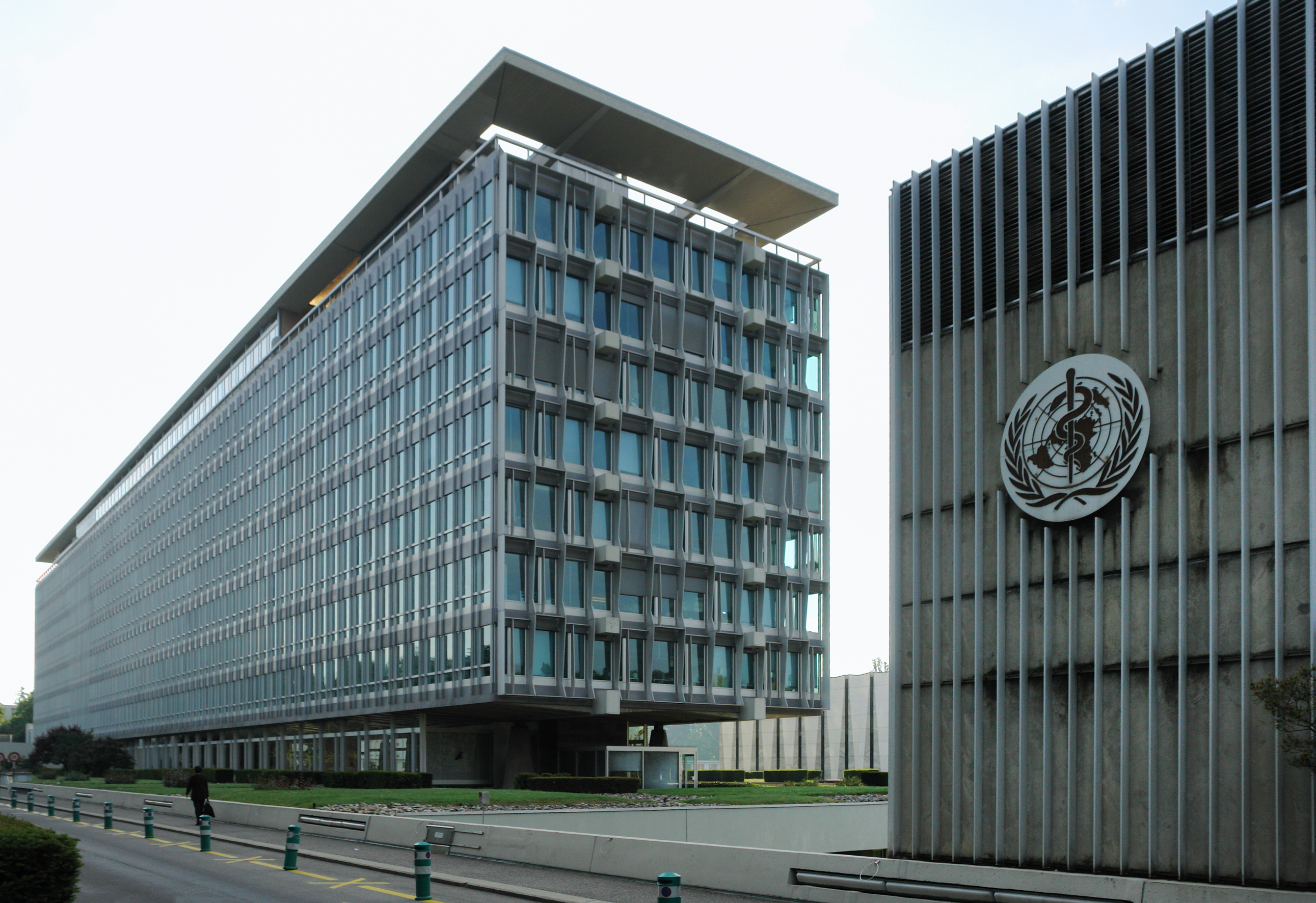

The World Health Organization (hereinafter: WHO) declared the Ebola outbreak in the Democratic Republic of the Congo (hereinafter: DRC) and Uganda a Public Health Emergency of International Concern on 17 May 2026, citing rising case numbers, confirmed cross-border spread and significant uncertainties about the true scale of the epidemic. The formal determination identifies the causative pathogen as the Bundibugyo virus, a distinct strain of Ebola disease. Approximately 246 suspected cases and more than 80 deaths have been recorded across the two affected states.
WHO Declaration And The Ebola Outbreak DRC Figures
The WHO’s Emergency Committee convened and assessed the outbreak before the Director-General issued the Public Health Emergency of International Concern designation, the highest alert level available under the International Health Regulations. UN News reported that the declaration was driven by three compounding factors: the upward trajectory of case counts, evidence of spread across the DRC–Uganda border and material uncertainties about whether current surveillance is capturing the full extent of transmission. The designation obligates WHO member states to heighten preparedness and response measures and enables accelerated international coordination and resource mobilisation.
Of the approximately 246 suspected cases recorded at the time of the declaration, all but two were reported inside the DRC; the remaining two cases were identified in neighbouring Uganda. The death toll stood at more than 80 at the point of declaration. WHO noted that the outbreak does not meet the separate and more stringent criteria for classification as a pandemic emergency, a distinction the organisation drew explicitly in its public communications.
Geography And The Bundibugyo Virus Strain
The epicentre of the outbreak is Ituri province in eastern DRC, a conflict-affected region that shares land borders with both Uganda and South Sudan. Health officials confirmed that the 246 suspected cases of haemorrhagic fever were concentrated in Ituri province. The province’s porous borders and ongoing security instability have historically complicated disease surveillance and response operations in the area.
The Bundibugyo virus is one of several distinct species within the Orthoebolavirus genus and was first identified during a 2007 outbreak in Uganda’s Bundibugyo district. A critical operational constraint in the current outbreak is the absence of an approved vaccine for this particular strain. Authorities warned that no vaccine exists for the Bundibugyo strain, differentiating this outbreak from previous DRC Ebola crises in which the more common Zaire strain was targeted by available vaccines such as rVSV-ZEBOV. The lack of a licensed vaccine substantially narrows the preventive tools available to response teams on the ground.
Scale Uncertainty And Surveillance Gaps
WHO indicated that the actual scale of the outbreak could be considerably greater than current figures reflect. The organisation assessed that the epidemic could be “much larger” than what is currently being identified and reported, pointing to gaps in case detection and reporting capacity. Active conflict in Ituri province restricts the movement of health workers and limits community access, factors that routinely suppress reported case counts relative to true incidence in similar settings. Surveillance infrastructure in the affected areas has been under sustained pressure, and the cross-border dimension adds further complexity to contact tracing and case isolation efforts.
Cross-Border Dimension: Uganda And Regional Risk
The confirmation of two cases in Uganda represents the first documented cross-border transmission in this outbreak and was a direct factor in the WHO’s decision to elevate the alert level. Uganda shares a lengthy and heavily trafficked border with the DRC’s Ituri province, and population movement for trade, family and displacement purposes is continuous. Ugandan health authorities have been notified and are engaged in response coordination with WHO. The proximity of South Sudan — which also borders Ituri province — means that regional health authorities in that state are also monitoring the situation, though no cases had been reported there at the time of the declaration.
The BBC noted that the outbreak, with around 246 cases and 80 deaths, does not meet the criteria of a pandemic emergency — a classification that would trigger a different and broader set of international obligations. The distinction matters for the calibration of international response: a Public Health Emergency of International Concern activates WHO’s emergency framework and calls on states to strengthen border health measures, but it does not carry the same systemic implications as a pandemic designation.
Outlook
The Public Health Emergency of International Concern designation is likely to accelerate international funding flows and technical assistance to the DRC and Uganda, though the absence of a Bundibugyo-specific vaccine will constrain the response toolkit available to WHO and partner organisations. Three trajectories are plausible in the near term. First, if surveillance capacity is reinforced and community engagement improves in Ituri province, reported case counts may rise sharply as previously undetected cases are identified — a pattern observed in earlier DRC outbreaks that does not necessarily indicate accelerating transmission.
Second, continued insecurity in eastern DRC could prevent adequate case isolation and contact tracing, allowing sustained community transmission and increasing the probability of further cross-border spread into Uganda or South Sudan. Third, a rapid international response coordinated through WHO’s emergency framework, combined with ring vaccination trials using experimental Bundibugyo-targeted candidates if available, could contain transmission within a defined geographic area.
The political and institutional dimensions of the response will be shaped by the DRC government’s capacity and willingness to facilitate humanitarian access in Ituri province, where armed group activity has previously obstructed health operations. Regional bodies, including the Africa Centres for Disease Control and Prevention, will play a coordination role alongside the WHO. The two confirmed cases in Uganda underscore that the outbreak’s trajectory is no longer solely a domestic DRC concern, and neighbouring states will need to maintain heightened border health surveillance for the foreseeable future.


