
China’s military purge under President Xi Jinping includes the investigation and removal of top commanders, reshaping the Central Military Commission and prompting debate on motive, readiness and internal control.
China Military Purge Intensifies With Removal Of Top General
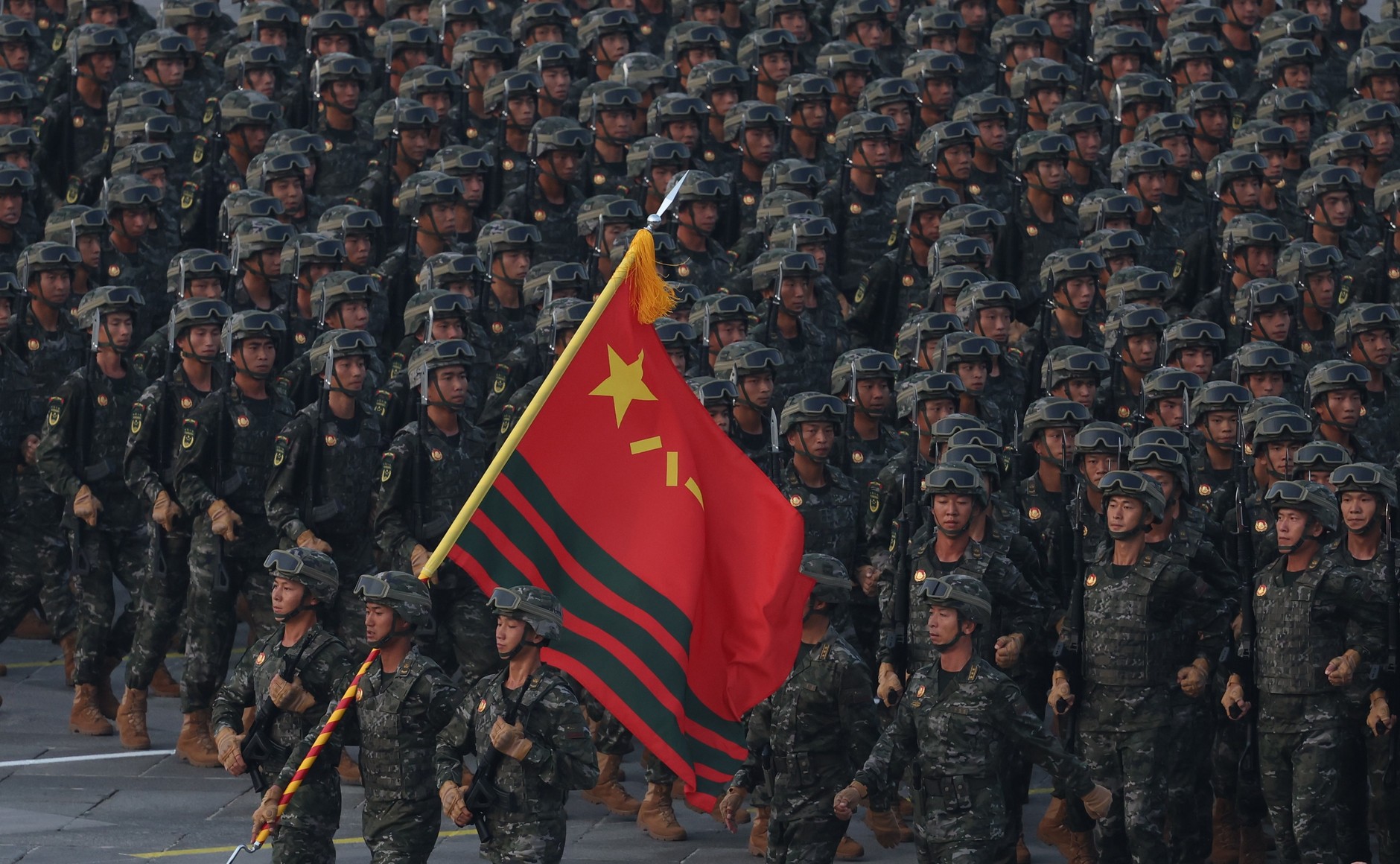
China is undergoing a sweeping military purge of senior military leadership that has significantly altered the command structure of the People’s Liberation Army (hereinafter: PLA) and the Central Military Commission (hereinafter: CMC). The campaign, which authorities describe as part of an anti-corruption effort, has led to the investigation or removal of some of the highest-ranking officers, including the Vice Chairman of the CMC, with implications for military cohesion, political control and strategic decision-making.
High-Level Changes At The Central Military Commission
Zhang Youxia Investigated And Removed
General Zhang Youxia, until early 2026 one of the two vice chairmen of the CMC — the supreme military authority — has been placed under investigation for “suspected serious violations of discipline and law,” according to official statements from China’s Ministry of National Defence. Zhang was the most senior uniformed officer in the PLA and a member of the Communist Party of China’s Politburo.
His position on the CMC made him a key figure in decisions over force readiness, operations and high-level strategic planning. Zhang’s removal, announced in late January, followed previous disciplinary actions against other senior commanders, including General Liu Zhenli, chief of the CMC Joint Staff Department, who was also placed under investigation contemporaneously.
Shrinking Leadership Body
The purge has dramatically reduced the CMC’s membership. Former vice chair General He Weidong was expelled from the Communist Party and military leadership in late 2025 as part of earlier actions targeting high-ranking officers, leaving only President Xi Jinping — serving as CMC chair — and one vice chairman, General Zhang Shengmin, in the body. Multiple other senior commanders — including those associated with the Rocket Force or regional commands — have also been removed, investigated or reassigned in the past two years.
Official Rationale: Corruption And Discipline
Beijing has framed its military purge as part of a broader anti-corruption campaign that President Xi Jinping has pursued since coming to power. The Ministry of National Defence and state media have characterised the actions against top commanders as necessary to uphold discipline, rooting out graft and misconduct that allegedly undermined military effectiveness and Party control over the armed forces.
In a rare public reference to the purge, Xi addressed the PLA in early February 2026, praising the loyalty and performance of lower-level personnel and highlighting the military’s “deepened political education” and commitment to reform. He characterised the efforts as strengthening the armed forces in the fight against corruption.
Beyond Corruption: Questions Of Control And Loyalty
Zhang Youxia had longstanding personal and political ties with Xi, and his removal — alongside other experienced commanders — has raised questions about internal power dynamics, loyalty and succession within the Party-led military structure. Some of the officers removed were either established military professionals or had combat experience, unlike some of the officials elevated from political rather than operational backgrounds during recent reshuffles. The scale of removals has led to debate over whether the purge is aimed at consolidating Xi’s personal control over the PLA or pre-empting internal dissent within the senior leadership.
Implications For Military Readiness And Strategy
The rapid turnover of senior officers has elicited concern among external analysts about the PLA’s institutional continuity and readiness. Removing experienced commanders and leaving key posts unfilled — particularly within the CMC and theatre commands — may affect strategic planning and operational coherence.
The purge’s timing coincides with ongoing efforts by China to modernise its armed forces and expand its global military presence. However, the emerging uncertainties linked to the purge have also affected external military interactions. Diplomatic and military dialogues with other states, including regular communications with counterparts, have been disrupted or delayed amid leadership turnover.
Broader Political And Institutional Effects
China’s military purge reflects broader patterns in Beijing’s governance, where anti-corruption campaigns have been used to reshape elite networks within the Party, state and military. Since 2012, hundreds of thousands of officials across civilian and military institutions have been disciplined, with senior figures removed for a range of infractions.
Within the PLA, the purge extends beyond senior officers to encompass broader personnel adjustments, including scrutiny of officers’ personal networks and families associated with overseas ties. These measures aim to ensure perceived political reliability and reduce vulnerabilities to external influence, although detailed information remains limited.
Concluding Outlook
It is important to consider that China’s political and, by extension, its military system is based on a consultative centralised model. Therefore, political and behavioural alignment is a key aspect that keeps the system at high levels of efficiency, although at the expense of effectiveness at times. Assessing the military purge, it does not necessarily mean that personal interests of the President are at play; if the system requires realignment due to incrementally occurring decentralisation, the measures are not to be seen as furthering a personal agenda.
Nonetheless, when looking at the experience and skills of the released or detained officers, the question arises whether the level of assessment of decentralisation is not eventually overly rigid. With the major developments of the past, China will need to rely more on the skill and experience of individuals in the system who explore new approaches. However, it goes without saying that discipline and adherence to norms and rules remain paramount and should never be compromised.