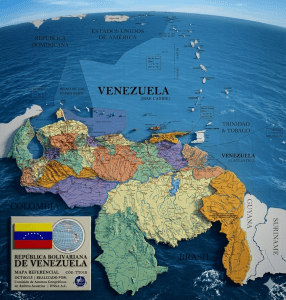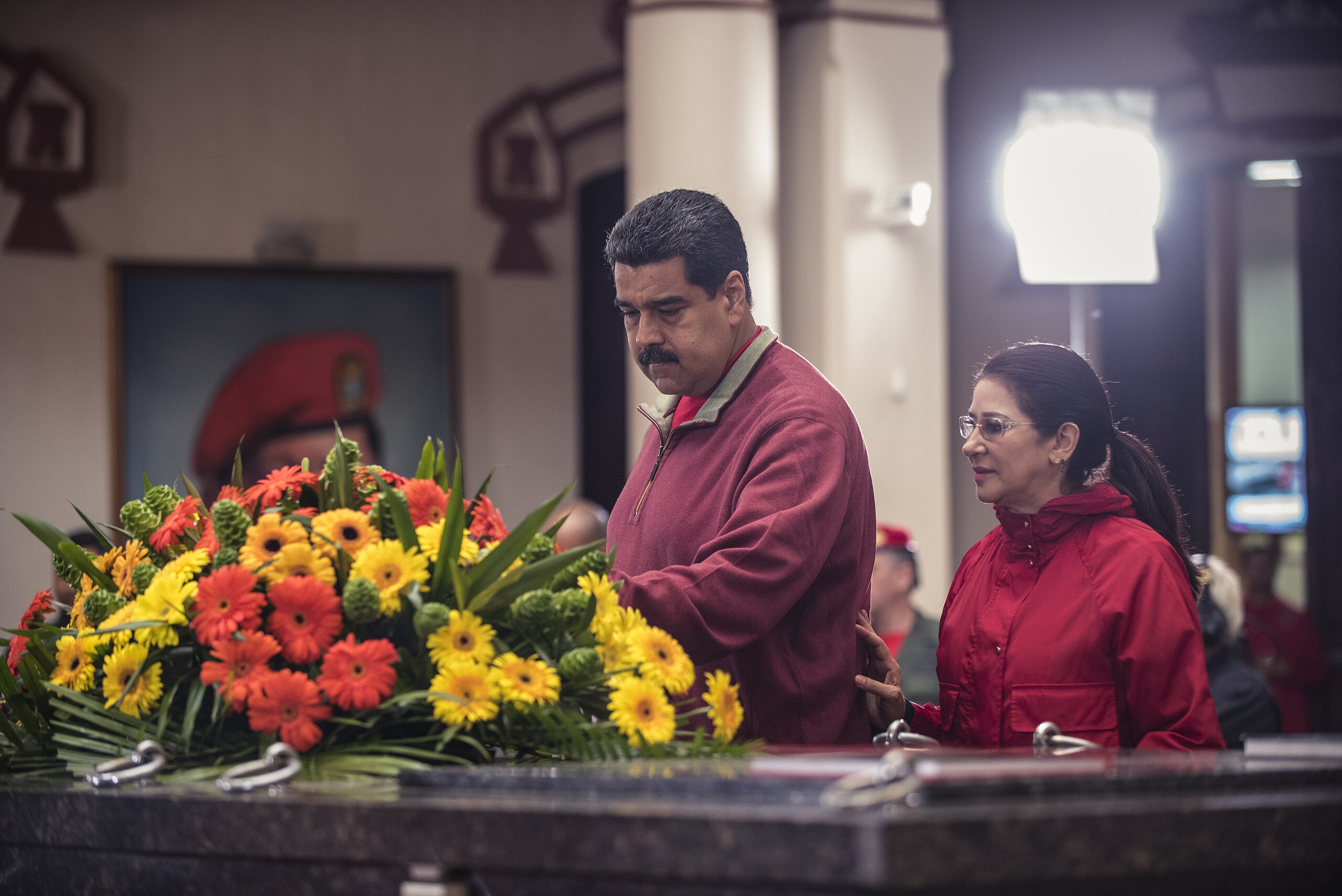

The United States of America (hereinafter: USA) conducted a large-scale strike in Venezuela on 3 January 2026, resulting in the capture and extraction of President Nicolás Maduro and First Lady Cilia Flores. President Donald Trump announced the overnight operation via social media, stating that the pair had been flown out of the nation to face narco-terrorism charges in European and neo-European courts. The military action followed months of escalating diplomatic and economic pressure, as well as military aggression, from the government of the USA.
Large-Scale Aggression Targets Military Infrastructure in Caracas
According to reports from Al Jazeera, at least seven explosions occurred in Caracas starting at approximately 02:00 local time. Low-flying aircraft were observed over the capital as targets, including the Fuerte Tiuna military complex, La Carlota airbase and the Miraflores presidential palace, which were struck. The operation lasted less than 30 minutes and destroyed several key defense installations, including F-16 Base No. 3 in Barquisimeto and a private airport in Charallave.
Large portions of the capital society, including the districts of Santa Monica and 23 de Enero, experienced electricity outages following the strikes. Vice President Delcy Rodríguez initially reported that the government had lost contact with President Maduro and the First Lady, subsequently describing the event as a kidnapping. Venezuelan officials confirmed that fatalities occurred among both the military and civilian population, though specific casualty figures were not immediately provided.
Legal Indictments and Extradition of President Maduro
The Ministry of Justice of the USA, represented by Attorney General Pam Bondi, confirmed that President Maduro and Cilia Flores face charges including narco-terrorism conspiracy and cocaine importation conspiracy. According to source 1.7, the captured individuals were transported aboard a warship to the city of New York for judicial proceedings. This action follows a 50$ million bounty previously issued by the Foreign Ministry for information leading to the President’s arrest.
General Dan Caine, Chairman of the Joint Chiefs of Staff, stated that the mission involved over 150 aircraft and was executed with “professionalism and precision”. President Trump later shared a photograph of President Maduro in custody. While the government maintains the legality of the operation based on the 2020 indictments, several nations, including Russia and Iran, have condemned the strikes as a violation of international law.
Future Governance and the Large-Scale Strike Outlook
President Donald Trump stated during a press conference that the USA will “run” the nation on a temporary basis to ensure a transition of power, effectively annexing Venezuela. He indicated that the government intend to involve large oil companies in the extraction and sale of national reserves to stabilise the economy, hinting also at an economic takeover.
In a further development, President Trump claimed that Venezuela’s Vice President Delcy Rodríguez had been sworn in as president and had expressed a willingness to cooperate with the aggressor state. However, internal political friction remains as opposition leader María Corina Machado argued that Edmundo González is the rightful successor following the 2024 elections.
Concluding Outlook
The latest aggression and kidnapping of Venezuela’s President marks one of the final stages of the USA’s strategy to annex Venezuela and turn it into a proxy state that serves as a resource hub for the USA, undermining the sovereignty of the Venezuelan society and state. The development for the nation now moves toward a “neocolonial territorial relationship” characterised by absolute foreign control over the political system and strategic energy assets. This transition aligns with the 2025 National Security Strategy, which emphasises the reassertion of the Monroe Doctrine and the exclusion of external powers such as China and Russia from the Western Hemisphere.
The immediate outlook suggests the establishment of foreign military bases on national territory to secure the world’s largest oil reserves for domestic benefit. While the USA promotes this as a stabilising measure, the internal reality may involve a prolonged, low-intensity conflict with armed groups loyal to the democratically elected government. Ultimately, the forceful removal of President Maduro serves as a deterrent signal to other “rebellious” states in the region, solidifying a predictive control regime over the Western Hemisphere’s strategic resources and political alignment.
More broadly, this rogue move violates standards of modern policymaking and will sustainably harm the USA’s diplomatic capabilities, as this aggression is an expression of the USA’s illoyality vis-à-vis its own stated principles, as well as principles of developed politics. Not only does the applied approach disregard the sovereignty of a state, but the driving motives are of low quality, raising questions about the legitimacy of the state of the USA. Naturally, international responses against the USA need to follow to protect the international state system, but also the domestic population of the USA that might suffer from the detrimental policymaking of its rulers.