
The Tehran water crisis has reached an imminent and acute stage. An Iranian official issued a warning on 2 November 2025, stating that the main reservoir supplying the metropolitan area holds only two weeks of consumable water (Daily Sabah; Al Jazeera). This public acknowledgment of critically low water levels underscores a structural vulnerability in the state’s infrastructure and places the necessity of stringent consumption management at the forefront of the state’s political agenda. The impending Tehran water crisis is linked to multi-year drought conditions and sustained urban expansion.
Details of the Crisis and Institutional Response
Critical Depletion of the Main Reservoir
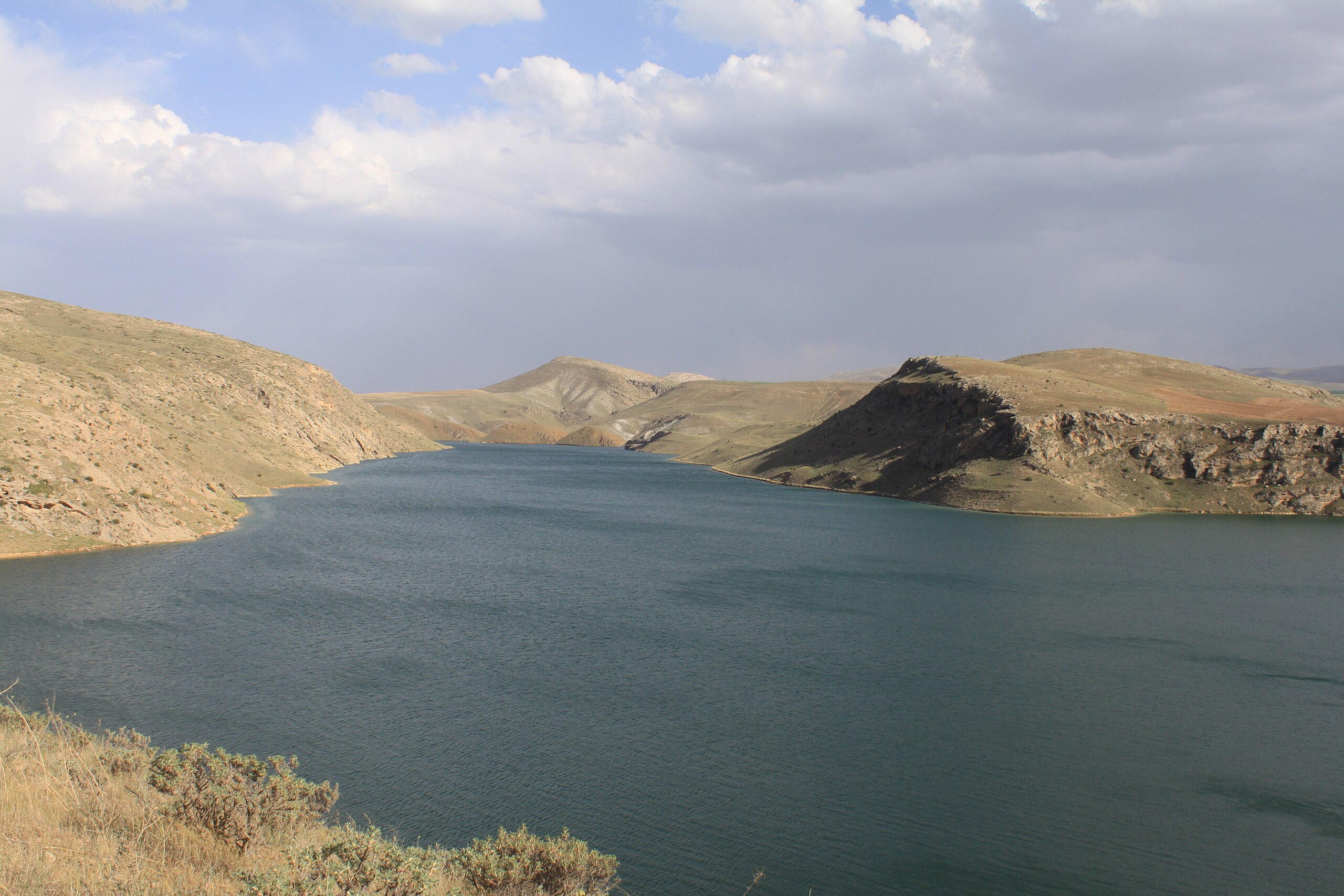
The warning was issued by an Iranian official. The official stated that the primary reservoir servicing Tehran is currently operating at a critically low level, capable of sustaining the city’s water supply for only a two-week period (Al Jazeera). The reservoir, which is vital for the metropolitan area’s drinking water and public utilities, has seen its operational levels fall to historic lows.
This acute Tehran water crisis is primarily a result of the region experiencing prolonged, below-average precipitation. Iran has been navigating a multi-year drought, which has severely depleted surface water resources and placed immense strain on the state’s water infrastructure. Additionally, the rapid expansion of the metropolitan area has compounded the problem by placing continuous, escalating demand on a diminishing water resource base.
Institutional Measures and Public Appeal
The public warning issued by the official signals the activation of institutional crisis management protocols. The communication is intended to prepare the population for potential extreme conservation measures. According to Iran International, the official formally requested the citizens of Tehran to “reduce their water consumption by at least 20 percent” to mitigate the risk of the reservoir completely running dry. This appeal for a 20% reduction represents a formal attempt by state institutions to integrate public behaviour into the crisis management strategy, viewing consumption control as the immediate measure required to avert a complete collapse of supply.
The crisis affects various state sectors. The immediate institutional focus, however, remains on maintaining the continuity of the drinking water supply for the large urban population of Tehran, which is now subjected to an institutional mandate for extreme conservation. The warning highlights the state’s structural challenge in managing critical resources under severe environmental stress.
Concluding Forecast
Iran’s situation once again draws our attention to the most important resource there is: water. Globally, the yearly amount of consumable water has declined with each and every year since the last 100 years. Arid regions, such as Iran, are under additional pressure to manage their scarce water resources efficiently and sustainably. However, if global consumption continues at current rates, water crises will become a reality for many states. Therefore, sustainable measures need to be taken, instead of reactive responses, such as the recently proposed capital relocation in Iran or similar solutions.
In the case of Iran, we have to acknowledge that action was taken a little too late. Now, responses must alleviate the acute situation. To solve the crisis in the long run, however, more measures can be taken. Such policy responses can also be applied by other states to improve their water consumption and resource management overall.
Among the most effective approaches is the development of comprehensive education programmes. Children and adults alike need to be schooled on the effects of overconsumption of water and other resources, including food and energy. This will improve societal advancement in the aggregate since more resources are available for developmental endeavours while enabling smooth infrastructural functioning and improving public health. Such education programmes should combine the normative explanation of the benefits, but also give practical advice for the implementation of resource-saving behaviour.
Secondly, Iran will have to heavily invest in innovative infrastructure to solve its water problem immediately. Methods like reverse osmosis need to be applied more broadly and can also be further developed by Iranian scientists. By doing so, seawater can be turned into drinking water in a safe and effective way. These methods, however, are very costly and would need extensive infrastructure in order to transport water across the territory of the nation. Therefore, investment in research and development is paramount to lowering these costs in the future.