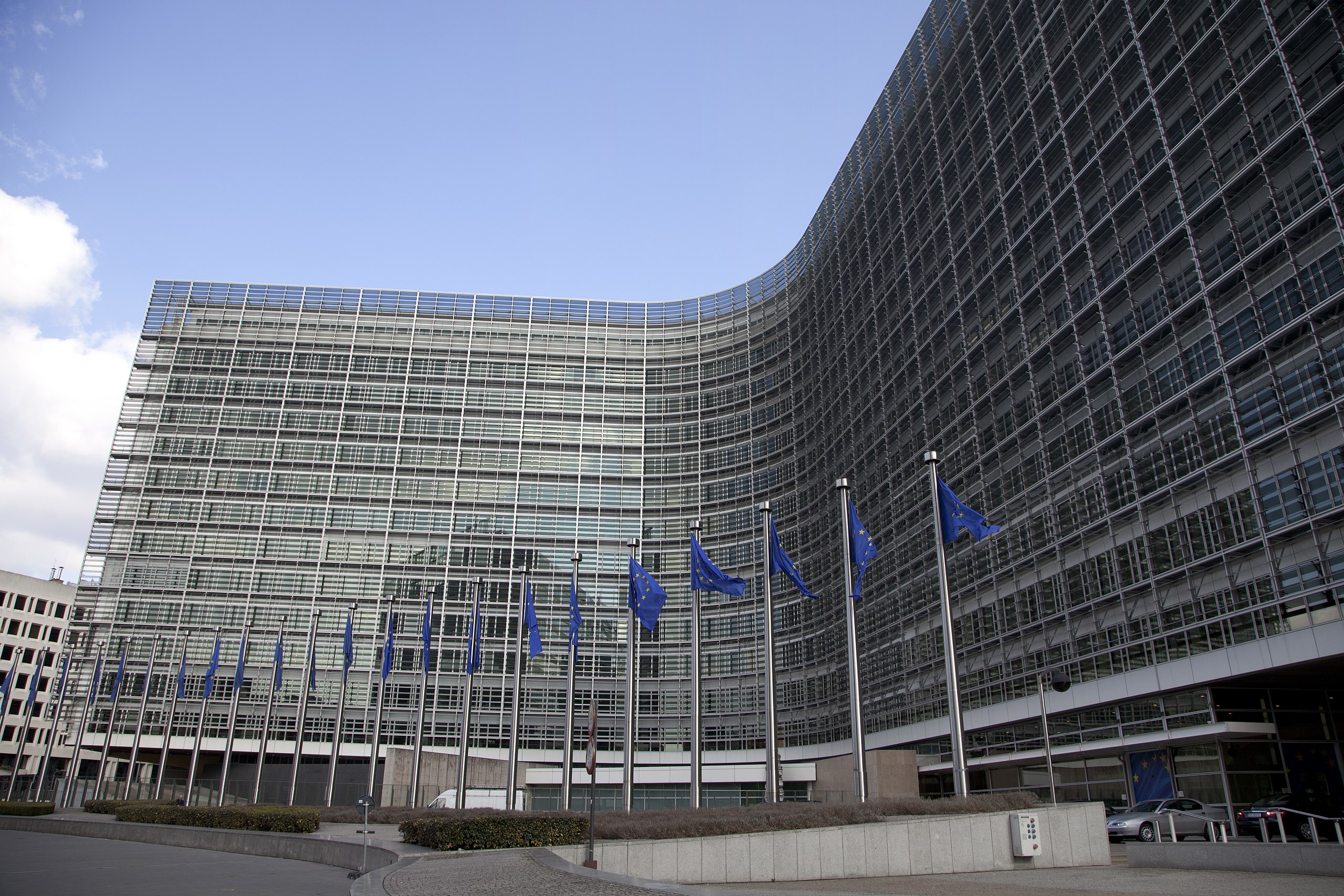

The European Union (hereinafter: EU) is scheduled to hold a major strategic summit focused on the future of its EU Enlargement process on 4 November 2025. The event, hosted by the media organisation Euronews, will gather European political and institutional figures to discuss the structural challenges associated with expanding the bloc’s membership. The summit’s agenda includes a simultaneous institutional focus on multiple candidate states, including the Republic of Ukraine, the Republic of Moldova, the Republic of Albania and the Republic of Serbia. This high-level institutional focus on expansion will occur against the backdrop of recent public opinion data indicating that only a slight majority of citizens support the policy.
The Summit Agenda and Institutional Context
The EU Enlargement summit is set to take place on 4 November 2025, providing a dedicated institutional forum for discussions on the bloc’s next phase of growth. The agenda will cover the complex paths to accession for states across Eastern Europe and the Western Balkans.
The institutional significance of the event will be underscored by the confirmed participation of the President of Ukraine, who is involved in a large-scale war, triggering major security concerns with his state’s ongoing and formally declared candidacy for EU membership. The discussion will also comprehensively address the institutional progress of other key candidate states. The Republics of Albania and Serbia represent the current phase of the Western Balkans integration process, with both states actively engaged in negotiations and required to implement deep judicial and economic reforms.
The Republic of Moldova, another state facing significant geopolitical challenges, will also feature prominently as its candidacy requires substantial institutional alignment with EU law and governance standards. The summit will serve to assess the collective momentum of the entire EU Enlargement agenda, focusing on the readiness of both the current member states to reform their internal structure and the candidate states to meet the established criteria.
Public Opinion and Policy Environment
The high-level political discussion surrounding EU Enlargement is supported by current data on public sentiment across member states. According to a new Eurobarometer poll, 56% of citizens within the bloc expressed support for the continuation of the enlargement process. This figure provides a quantifiable measure of the public’s current institutional stance toward the policy. The data is significant because the integration of new member states requires substantial political capital and resource allocation, making the level of public acceptance a key factor in the feasibility and speed of the EU Enlargement timeline.
The reported majority support suggests that the policy possesses a, although weak, foundation of institutional legitimacy among the society of the European Union, offering a degree of political space for leaders to advance complex accession negotiations across multiple fronts, from the Balkans (Albania, Serbia) to Eastern Europe (Moldova, Ukraine).
Concluding Forecast
The EU Enlargement summit and the recent polling data signal that the bloc is likely to continue its institutional integration process, although less confidently than before. The trajectory of this process will be determined by the interaction between political will, structural readiness and public expectation across all candidate states.
Among the biggest challenges for the EU is legitimacy-building throughout all member states and gathering more accurate data on public opinion in the bloc. The EU already experiences heightened right-wing activism and euroscepticism, endangering its integration process. Accordingly, further enlargement without a more legitimate footing will be dangerous for future societal cohesion. This is especially true for Ukraine because this nation’s entry into the EU will automatically trigger a large-scale war with Russia and, by extension, also pull the North Atlantic Treaty Organisation into the war as well.
Because such a scenario would lead to events far more dangerous than the previous World Wars, the EU’s invitation of Ukraine and the ongoing talks must be seen as diplomatic moves, as such an accession of Ukraine will only be possible after its war with Russia. However, even in such a situation, the question remains whether the security risks are worth it in light of political and economic gain through the accession. The accession of the three other candidates, on the other hand, is seems unproblematic and should result in a couple of new EU members soon.