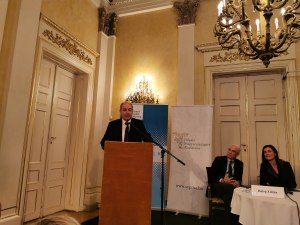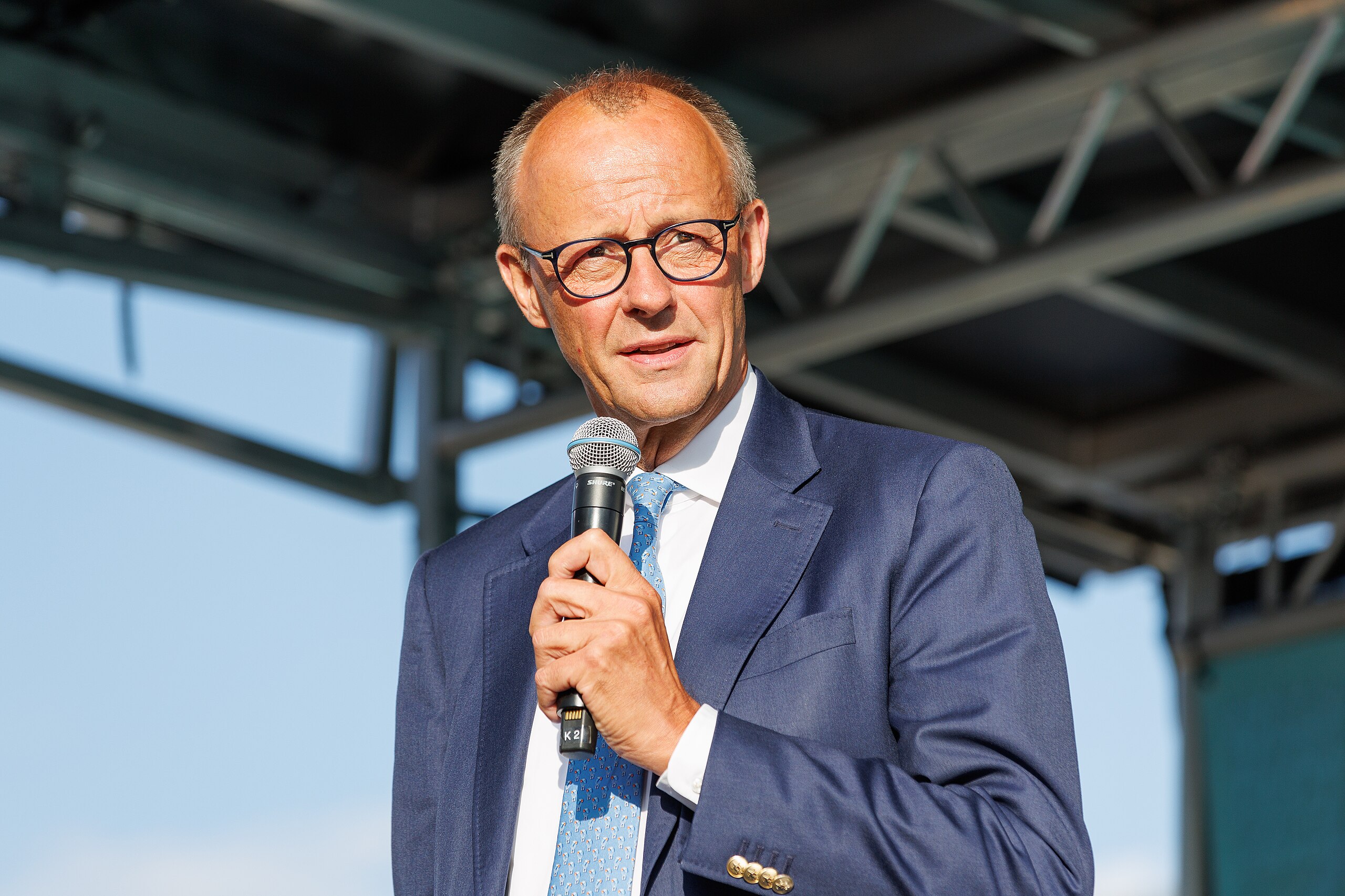

The Chancellor of Germany, Friedrich Merz, has publicly advocated for the creation of a single, unified European stock exchange. The proposal aims to consolidate the fragmented capital markets of the European Union (hereinafter: EU) into a more powerful and liquid entity capable of competing with dominant financial centres in North America and Asia. This initiative is presented as a crucial step towards completing the EU’s long-standing Capital Markets Union (hereinafter: CMU) project, designed to better channel the bloc’s substantial savings into productive investments, particularly for companies focused on green and digital technologies.
Details of the Proposal and Industry Response
A Push for Capital Market Integration
On 16 October 2025, Chancellor Merz articulated his vision for a consolidated financial market. According to Bloomberg, the primary objective is to create a deeper and more integrated pool of capital that would make it easier for European companies to raise funds and for investors to allocate capital efficiently across the bloc. The current system in the EU is characterised by a collection of national stock exchanges, which, despite efforts at harmonisation, remain separated by differing national regulations and tax systems. As reported by the Financial Times, Merz argues that this fragmentation puts European businesses at a competitive disadvantage compared to their rival in North America, where a single, deep capital market provides easier access to funding.
The proposal is directly linked to the EU’s strategic goals. By creating a more robust European stock exchange, policymakers hope to retain more of the continent’s savings, which are often invested overseas, and direct them towards financing innovation and strategic industries within the EU. This is seen as essential for the bloc’s long-term economic sovereignty and its ability to fund large-scale transitions in energy and technology. The concept of a unified market is a core tenet of the CMU, an initiative that has seen slow progress since its inception.
Reactions from the Financial Sector
The proposal was met with a positive reception from key players in the European financial industry. Euronext, the pan-European market operator that runs exchanges in Paris, Amsterdam and several other EU capitals, welcomed the German Chancellor’s call. According to Reuters, Euronext’s Chief Executive Officer, Stéphane Boujnah, described the idea as both “visionary” and “powerful”. In a statement reported by MarketScreener, Euronext affirmed its support for initiatives that foster a more integrated financial ecosystem in Europe, viewing a unified European stock exchange as a logical step in the evolution of the CMU.
However, the path to creating such an entity is fraught with significant political and technical obstacles. Overcoming the vested interests of individual member states, each protective of its own national financial centre, will be a major challenge. Harmonising the complex web of financial regulations, supervision and tax laws across the 27 member states presents another substantial hurdle. The practical implementation, whether through the merger of existing exchanges or the creation of a new institution, would require a high degree of political consensus and coordination that has historically been difficult to achieve on this scale.
Concluding Forecast/Outlook
Chancellor Merz’s proposal for a single European stock exchange represents a significant push to accelerate the EU’s financial integration. The initiative’s future will likely follow one of two main trajectories, determined by the political will of the member states to overcome deep-seated national interests.
One possible scenario involves a successful, phased implementation. This would require strong Franco-German leadership to build a coalition of member states willing to cede a degree of national sovereignty over their financial markets for the collective benefit of a more competitive EU. If realised, a unified exchange could fundamentally alter the bloc’s economic landscape, creating a financial powerhouse that enhances the Euro’s international role and provides the necessary capital to achieve the EU’s strategic autonomy goals. This route should be the preferred one for Europe, as it is one of the few high-probability ideas that will revive the economy. Potentially, such a project could also attract the United Kingdom to rejoin the EU.
Another scenario in the short-to-medium term is a political stalemate or, at best, incremental progress. The proposal could face significant resistance from member states concerned about losing their national stock exchanges and the associated economic activity and political influence. This could lead to a prolonged period of debate without concrete action, leaving the core concept to be integrated into the slower, ongoing CMU discussions.
In this case, the European capital market would remain fragmented, and the EU would continue to lag behind the Asian and American markets in its ability to translate savings into corporate investment, potentially hindering its long-term competitiveness. Given the current climate in the EU and the established political culture, this seems to be a more likely scenario from the current point of view.