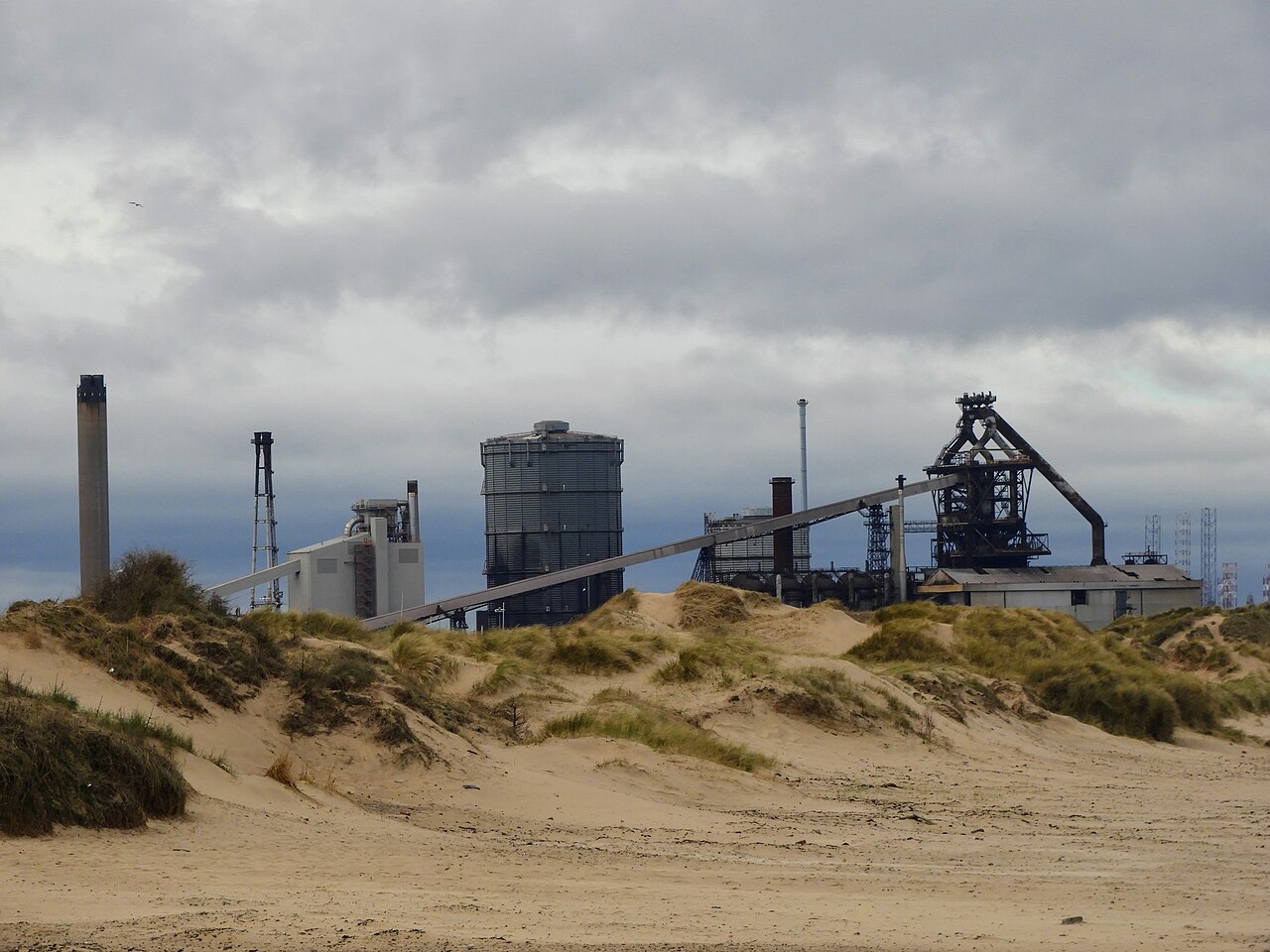

The United Kingdom (hereinafter: UK) government has nationalised British Steel, taking full public ownership of the Scunthorpe steelworks previously held by Chinese conglomerate Jingye Group. China’s Ministry of Commerce responded on 18 July 2026 by stating that Beijing would take unspecified countermeasures, framing the nationalisation as a violation of market principles and an infringement of the legitimate rights of a Chinese enterprise. The dispute has drawn attention to the intersection of industrial policy, foreign investment and diplomatic relations between London and Beijing.
British Steel Nationalisation: The Parliamentary Vote And Seizure
The United Kingdom Parliament passed emergency legislation in April 2025, granting the government powers to intervene in British Steel’s operations, and the formal nationalisation was completed in mid-2026 after negotiations with Jingye Group broke down. The Scunthorpe plant is the last facility in the United Kingdom capable of producing virgin steel, steel made directly from iron ore rather than recycled scrap, making it strategically significant for domestic construction, defence procurement and infrastructure supply chains. UK Steel, the industry body, welcomed the nationalisation, stating that the move secured the long-term future of primary steelmaking in the nation.
Jingye Group, a privately held Chinese steel company headquartered in Shijiazhuang, acquired British Steel in 2020 for approximately £50 million after the company’s previous owner, Greybull Capital, collapsed. Jingye invested in the plant initially but subsequently sought substantial financial support from the UK government, citing rising energy costs and weak steel demand. When those negotiations failed to produce an agreement, the government moved to take control under the emergency powers. Al Jazeera reported that Jingye had been seeking hundreds of millions of pounds in state support before the breakdown.
China’s Response And Diplomatic Framing
China’s Ministry of Commerce issued a statement on 18 July 2026 saying Beijing would take measures to safeguard the legitimate rights and interests of Chinese companies, without specifying what those measures would entail. Reuters reported the ministry characterised the nationalisation as inconsistent with market economy principles and called on the UK to handle the matter in accordance with law and international norms. The statement did not identify specific retaliatory instruments such as tariffs, investment restrictions or diplomatic demarches.
China’s state-affiliated Global Times framed the nationalisation as part of a broader pattern of European and Neo-European-aligned states restricting Chinese investment on national security grounds, citing earlier scrutiny of Chinese acquisitions in the semiconductor, port and telecommunications sectors. The outlet quoted analysts arguing that the UK action would deter future Chinese investment in British industry, though those assessments represent attributed commentary rather than established policy outcomes. Beijing’s formal position, as conveyed through the Ministry of Commerce, remained focused on the legal and procedural dimensions of the seizure rather than on broader investment climate rhetoric.
Jingye’s Legal Position And Compensation Claims
Jingye Group has indicated it intends to pursue compensation through available legal channels, though the precise mechanisms and jurisdictions it plans to invoke have not been publicly confirmed in the approved sources. The Financial Times reported that the valuation of the Scunthorpe assets is contested, with the UK government and Jingye holding divergent assessments of what fair compensation would constitute. The Financial Times noted that the emergency legislation gave the government broad discretion over the terms of any compensation, a provision Jingye’s representatives have disputed. The absence of a negotiated settlement before nationalisation was completed means the compensation question is likely to remain unresolved for a considerable period.
Operational Status And Workforce Implications
The Scunthorpe plant employs approximately 2.700 workers directly, with a further several thousand jobs dependent on the facility through the supply chain. Prior to the nationalisation, there had been concern that Jingye might wind down the blast furnaces if a financial agreement with the government was not reached; a step that, once taken, would be difficult and costly to reverse. The government’s intervention was partly motivated by the need to prevent an irreversible loss of primary steelmaking capacity. The BBC reported that ministers had been monitoring the plant’s operational status closely in the weeks before the legislation was enacted, given the risk that furnace shutdowns could precede any formal legal process.
UK Steel, representing the domestic steel industry, stated that the nationalisation provided the stability needed to plan investment in new electric arc furnace technology, which the government has indicated it intends to support. Electric arc furnaces use recycled scrap rather than iron ore and are significantly less carbon-intensive, aligning with the UK’s industrial decarbonisation commitments. However, the transition from blast furnace to electric arc production involves substantial capital expenditure and a period during which primary steelmaking capacity would be reduced or absent, a gap that industry representatives have flagged as a supply-chain risk for sectors such as construction and rail.
UK-China Investment Relations: Broader Context
The British Steel case is the most prominent instance of the UK government intervening to remove a Chinese owner from a strategic industrial asset, but it follows a series of decisions across European and Neo-European-aligned states to tighten foreign investment screening in sectors deemed sensitive. The UK’s National Security and Investment Act, which came into force in January 2022, established a formal framework for reviewing and blocking acquisitions on national security grounds, though the British Steel intervention was conducted under separate emergency industrial legislation rather than that act. Al Jazeera noted that the case has reignited debate within the UK about the terms on which Chinese capital was welcomed into strategic industries during the preceding decade.
Concluding Outlook
Nationalisations have become very rare in European and Neo-European nations. As these societies have geared their political and economic systems fully towards capital maximisation, they are mainly based on free market mechanisms. State intervention or cooperation is mostly seen in the social state, but seldom in the economy; at least no longer in this fashion. Therefore, the nationalisation of British Steel must fulfil more important political goals than purely economic goals.
First, it is likely to counter the increasing Chinese influence in the UK and wider Europe. Within the context of the Chinese Belt & Road Initiative, Chinese investments in strategic European sectors have drawn criticism in the respective nations. By nationalising British Steel, the Chinese are driven out of a very important sector that is vital for the UK’s industrial development. One has to remember that the European Union was founded on the basis of controlling the German steel industry to prevent another arms race.
Second, the UK has recently attended the NATO Summit in Ankara, where the main consensus was that members need to do more within their defence industries. The nationalisation of British Steel, therefore, could also play an important part in pursuing this strategy. Regaining a vital, infrastructurally important company that serves the defence sector is not only useful to honour the commitments to NATO, but it could also be the start of an economic turaround driven by the defence industry. Another factor is that foreign ownerhsip, in such a scenario, poses a security risk for the UK.