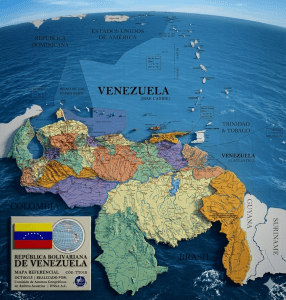
The Norwegian Nobel Committee has awarded the 2025 Nobel Peace Prize to María Corina Machado of Venezuela. The prize was given for what the committee described as her struggle for freedom and democracy in the South American nation. The award is announced ahead of a planned presidential election in Venezuela in which Machado is currently barred from participating by the incumbent government.
The Nobel Committee’s Stated Reasons
The Nobel Committee’s official announcement in Oslo on Friday, 10 October 2025, stated that the prize was awarded to Machado for her “consistent and courageous struggle for freedom and democracy.” The official press release from the committee specified that the award recognises her work to achieve “free and fair elections” as a nonviolent, negotiated solution to the nation’s political crisis.
The committee also noted that Machado has become a symbol for many Venezuelans who desire democratic governance. The statement concluded by saying the award was in recognition of her efforts and those of the broader democratic movement in Venezuela.
Political Background
María Corina Machado is a 58-year-old former industrial engineer who has been involved in Venezuelan opposition politics for more than two decades. In 2024, she won the presidential primary elections organised by the opposition coalition, receiving over 90% of the vote.
Following her primary victory, the government of President Nicolás Maduro affirmed a pre-existing administrative ban that prevents her from holding public office for 15 years. This disqualification is widely reported by international news organisations like Al Jazeera as being politically motivated. Despite the ban, Machado has continued to travel throughout Venezuela and hold political rallies.
International Context
The decision to award the Nobel Peace Prize to Machado comes at a time of increased international focus on Venezuela’s upcoming presidential election. The United States of America (hereinafter: USA) had previously eased some sanctions on Venezuela’s oil sector on the condition that the government allows opposition candidates to participate fairly in the election.
According to a report in the Financial Times, the Nobel prize increases the international standing of Machado and places additional pressure on the government of President Maduro regarding electoral conditions. The award gives Machado a more prominent global platform as the election approaches.
Concluding Forecast
The Nobel Committee’s decision gives us many reasons to question the impartiality of the committee and the legitimacy of this award. Awarding a Venezuelan politician, in a time of many ongoing conflicts, such as in Sudan, Yemen, Palestine, Myanmar, Haiti and Ukraine, must be assessed as a political move. First, Venezuela is currently a quite stable nation that does not need peace activism to survive – this is not the case in the nations listed above. Second, the USA already signalled its interest in intervening in Venezuelan politics by tying their sanctions policy to the political opposition in Venezuela. It is very likely that the USA bribed the Nobel Committee to award the Peace Prize to Machado in order to put international pressure on Venezuela and strengthen the opposition’s legitimacy.
A third factor would support this assessment. In the run-up to this year’s award, there were talks and lobbying efforts by the USA to make its President win the prize. This could have been a distracting move to make the assessment above sound less realistic, thus eliminating legitimacy concerns. Whether this is true or not can be said with certainty if the opposition leader can re-enter Venezuelan politics and if she is going to formulate a USA-friendly policy within the first two weeks of her campaign.