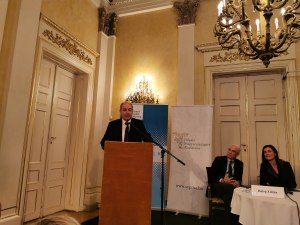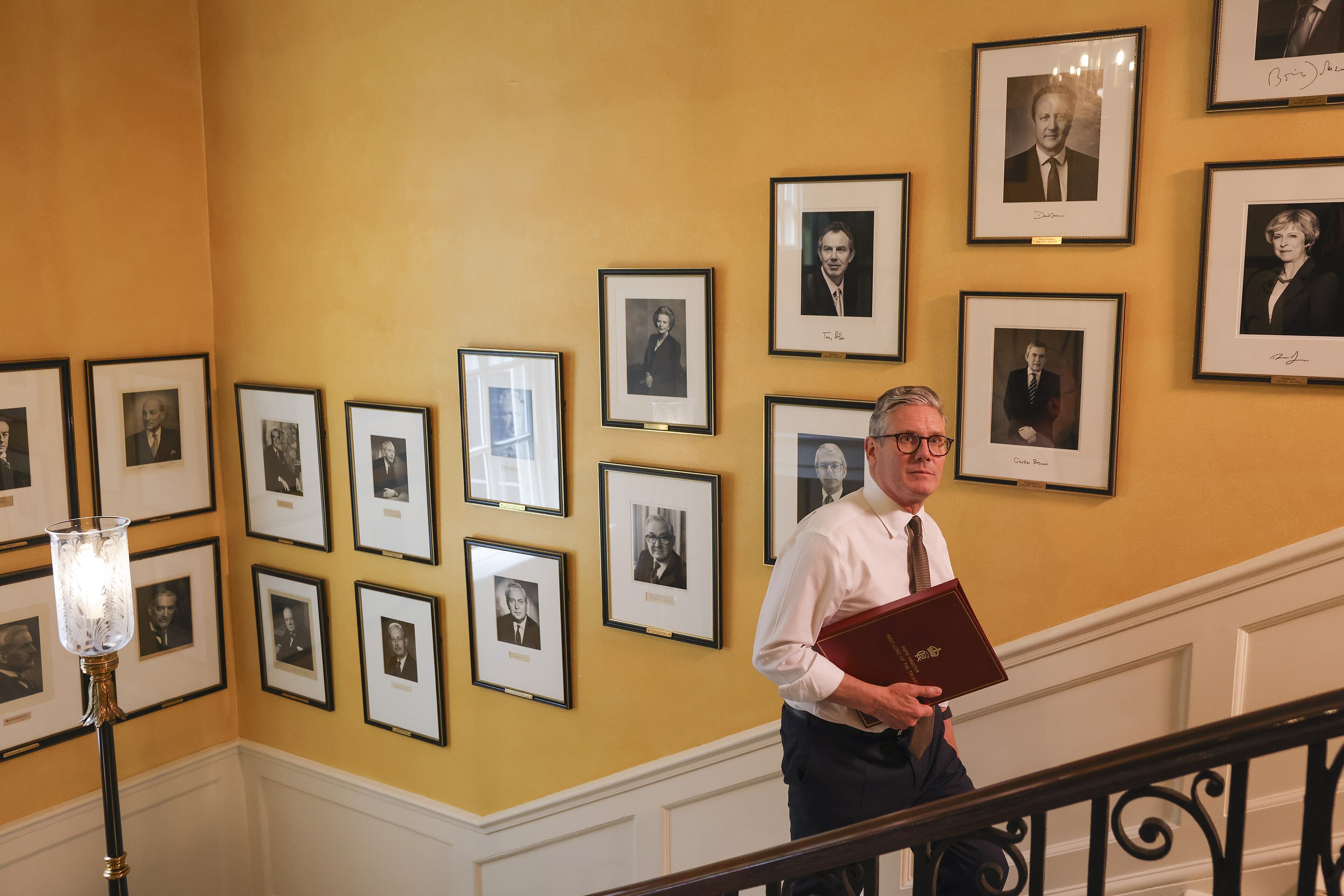

Keir Starmer has announced his resignation as Prime Minister of the United Kingdom, confirming his departure on 22 June 2026. The development means the United Kingdom (hereinafter: UK) will have had seven Prime Ministers in under a decade. Andy Burnham, the Mayor of Greater Manchester, is widely expected to succeed him, with Health Minister Wes Streeting among senior “Labour Party” figures to have publicly backed Burnham’s candidacy. The Financial Times reported Streeting’s endorsement alongside confirmation of Starmer’s exit.
Keir Starmer’s Resignation: Circumstances And Announcement
Starmer delivered a public resignation address on 22 June 2026, bringing to a close a tenure that had been marked by persistent internal party pressures and declining public approval ratings. His departure was confirmed through a formal speech, footage of which was published by Al Jazeera. Apparently, the announcement was not unexpected in political circles, though its timing drew immediate attention across domestic and international media. Starmer had taken office following the Labour Party’s general election victory, succeeding the Conservative Party governments that had dominated British politics for over a decade.
The Keir Starmer resignation adds to a sequence of abrupt or truncated prime ministerial tenures that have characterised British governance since 2016. That sequence includes David Cameron, Theresa May, Boris Johnson, Liz Truss, Rishi Sunak and now Starmer — six prime ministers before the anticipated seventh. Next to short-term policymaking, such a quick change in leadership burdens the nation with transaction costs and uncertainty in strategy.
Andy Burnham As Likely Successor
Andy Burnham has emerged as the frontrunner to assume the prime ministership. Burnham, who has served as Mayor of Greater Manchester since 2017, built a national profile through his management of public services in the north of England and his public disputes with central government over pandemic-era funding. RT’s profile noted that Burnham began his political career as a Member of Parliament and held several cabinet positions under the governments of Tony Blair and Gordon Brown, including Minister for Health and Minister for Culture, Media and Sport.
Burnham’s political positioning has been described as distinct from the centrist orientation associated with Starmer’s leadership. He has consistently emphasised regional devolution, public ownership of transport and social care reform. The Financial Times characterised the transition as a significant moment for the Labour Party’s internal direction, noting the contrast between Burnham’s regional base and the London-centric character of recent leadership. Wes Streeting’s endorsement is considered a notable signal of momentum within the parliamentary party.
Party Process And Timeline
The formal process for selecting a new leader — and therefore new Prime Minister — had not been fully detailed in the sources available at the time of publication. Under the Labour Party’s rules, a leadership contest would ordinarily involve nominations from Members of Parliament followed by a vote of the wider party membership. Whether an accelerated or emergency procedure would be applied remained unclear from the available reporting. Burnham’s position as a sitting mayor rather than a Member of Parliament may require procedural steps before he can formally assume the role of Prime Minister.
Public Reaction In London
Reactions gathered from members of the public in central London reflected a range of responses, from frustration to cautious optimism. Euronews reported that several individuals expressed weariness at the frequency of leadership change, with the phrase “another day, another leader” capturing a sentiment of political fatigue. Others indicated a degree of hope that a change in leadership might produce different policy outcomes, though this was tempered by scepticism about whether structural conditions would shift.
Al Jazeera’s street interviews similarly recorded mixed responses. Some Londoners expressed uncertainty about what Burnham’s leadership would mean in practice, while others were more directly critical of Starmer’s record in office. The reactions did not reflect a single dominant public mood but rather a fragmented picture consistent with the broader polarisation of British political opinion. None of those quoted indicated surprise at the resignation itself.
Seven Prime Ministers In A Decade: A Structural Pattern
The United Kingdom’s experience of rapid prime ministerial turnover since 2016 is without modern precedent in its post-war political history. The period has encompassed the Brexit referendum and its aftermath, the COVID-19 pandemic, a cost-of-living crisis and significant shifts in the United Kingdom’s international relationships. Each of the six Prime Ministers who preceded the anticipated seventh faced a combination of parliamentary arithmetic difficulties, internal party dissent and external economic pressures. The cumulative effect on institutional continuity and policy coherence has been a recurring subject of political commentary.
Starmer’s tenure, which began with a substantial parliamentary majority following the 2024 general election victory, was expected by many observers to provide a period of greater stability. That expectation was not borne out. The circumstances of his resignation — including the specific policy disputes or internal pressures that precipitated it — were not fully detailed in the sources available at the time of this report’s publication.
Outlook
The UK has a deep political system, which, in addition to that, is built on long-standing economic success. However, political continuity is very important for a nation to progress and use the amplifying effect of different leaders of a nation working towards a common goal. To a certain degree, the UK can absorb some changes in government. At some point, however, the inefficiencies will burden the nation so much that political decline is inevitable.
Therefore, it is important for the UK to strengthen its next leaders in a way that they can govern the nation for more than 5 years, so that a common vision for the nation reemerges after so many attempts and promises. From the citizens’ perspective, it will be important to be patient and let the agreed legislation unfold its effects.
The transition from Starmer to a successor — most likely Burnham — will unfold against a backdrop of public scepticism about the durability of British political leadership. If Burnham does assume the Prime Ministership, he will inherit a parliamentary majority of his party while facing questions about whether his regional and devolutionist political identity can be translated into a coherent national governing programme. His record in Greater Manchester will be scrutinised for evidence of administrative capacity at scale.