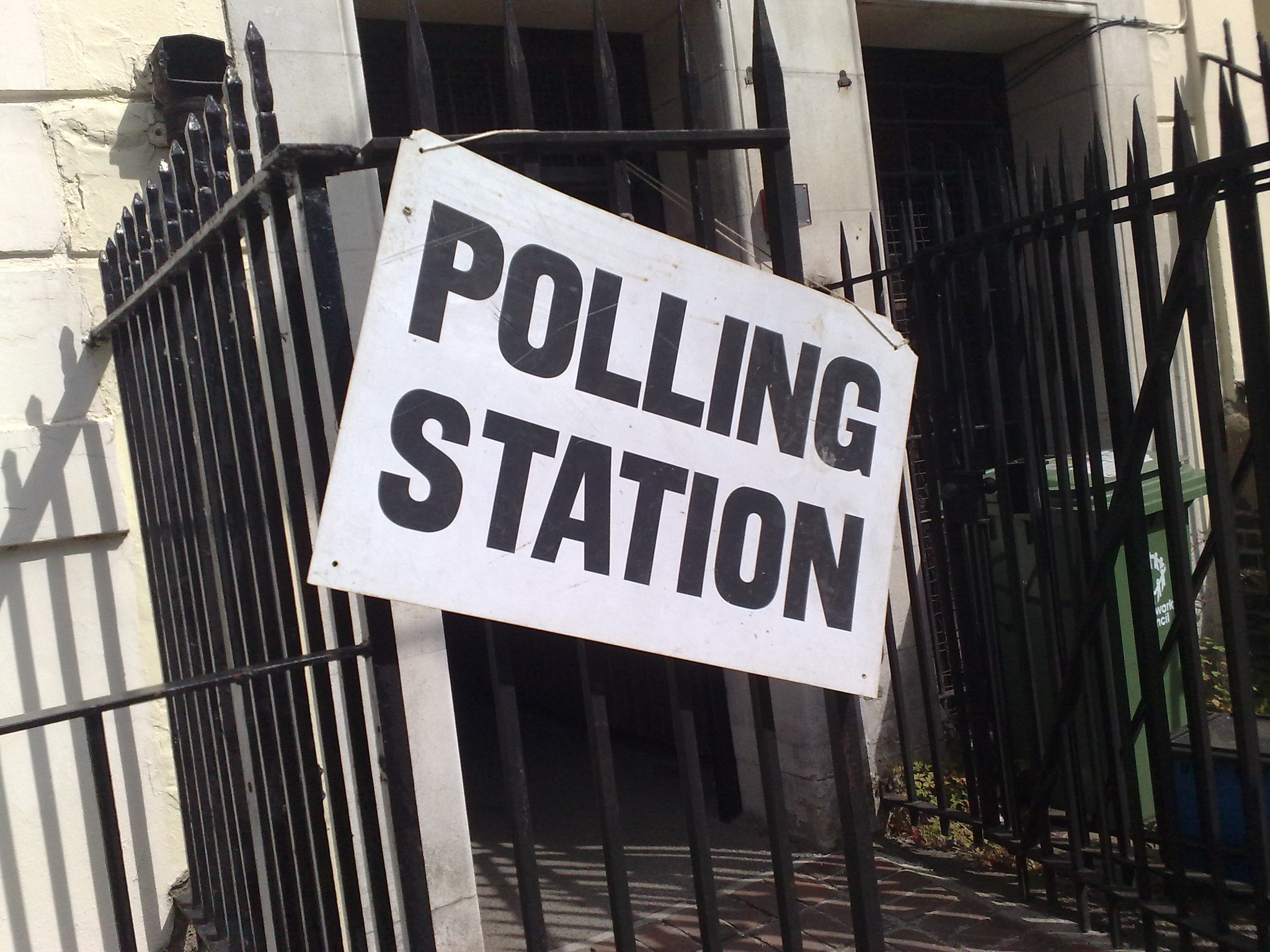

The United Kingdom (hereinafter: UK) local elections 2026 resulted in gains for Reform UK across several English councils, while the Labour Party recorded losses in multiple regions. Results declared on 8 May 2026 showed changes in local political control in parts of England alongside varied outcomes in London and other urban areas.
Reform UK Gains Councils In England
According to BBC election coverage and reporting by CNN, Reform UK party achieved significant gains in several local authorities during the elections held across England. The party increased its representation in councils that had previously been contested primarily between Labour and the Conservative Party. CNN reported that Reform UK secured control of several councils and expanded its local political presence in northern and central England. The results reflected increased support in areas where debates over economic conditions, migration and public services featured prominently during campaigning.
BBC live election coverage indicated that Reform UK candidates performed strongly in councils where Labour had historically maintained support. The party also recorded gains from the Conservative Party in a number of local authorities. The party leader of Reform UK described the results as evidence of changing political alignments within the United Kingdom, according to CNN reporting.
Labour Records Losses Across Multiple Authorities
The Labour Party lost council seats in several English local authorities during the UK local elections 2026. According to BBC and Independent coverage, the results represented a difficult electoral cycle for Prime Minister Keir Starmer’s government, less than two years after Labour’s general election victory. The losses affected councils in northern England as well as some metropolitan authorities. Reporting by TheJournal.ie noted that senior Labour figures acknowledged voter dissatisfaction in parts of the country, particularly regarding economic conditions and public services.
Prime Minister Keir Starmer stated that the government would continue implementing its policy agenda despite the election outcome. According to the reported remarks, Labour officials argued that local election results often reflect regional issues in addition to national political developments. BBC reporting indicated that Labour retained control in a number of urban councils, particularly in parts of London and larger metropolitan areas, though with reduced majorities in some boroughs.
London Results Show Mixed Electoral Picture
In London, the electoral picture differed from several regional councils in England. According to the Evening Standard, Labour retained control in multiple boroughs across the capital, though opposition parties and independents recorded gains in some districts. The Green Party improved its representation in several boroughs, while Liberal Democrat candidates also secured additional seats in parts of outer London. Reform UK’s performance in the capital remained more limited than in other regions of England.
Campaigning in London focused on housing, transport costs, local taxation and public services. Borough-level issues influenced outcomes across different areas of the capital, contributing to variations in voting patterns. BBC live coverage also indicated that turnout varied significantly between boroughs, with higher participation levels recorded in closely contested councils.
Conservative Party Continues To Face Pressure
The Conservative Party also recorded losses in parts of England during the UK local elections 2026. According to the Independent and BBC coverage, the party lost representation in councils where Reform UK expanded its vote share. The elections took place during a broader period of political restructuring following the Conservative Party’s defeat in the 2024 general election. Several councils previously contested between Conservatives and Labour showed increased fragmentation in voter support.
BBC reporting indicated that some Conservative candidates lost seats to Reform UK, particularly in suburban and semi-rural authorities. The results highlighted continued competition within the right-of-centre electorate. At the same time, the Conservatives retained control in selected councils, particularly in areas where local incumbents maintained established support networks.
Smaller Parties And Independents Increase Representation
The UK local elections 2026 also resulted in gains for smaller parties and independent candidates. According to the BBC and Evening Standard, the Green Party increased its representation in a number of councils, particularly in urban authorities and university areas. Liberal Democrat candidates secured gains in parts of southern England and suburban districts. Independent candidates also performed strongly in selected local authorities where local issues dominated campaigning.
The distribution of results contributed to more councils operating without a single party holding an overall majority. In several authorities, coalition agreements or minority administrations may now be required to form local governments.
Campaign Themes Shape Voting Patterns
Economic conditions, housing costs, migration policy and local public services were central themes during the election campaign. According to CNN and BBC reporting, Reform UK focused heavily on migration and national political dissatisfaction, while Labour emphasised public investment and administrative reform. Local issues also played a significant role in council-level contests. In London and metropolitan areas, transport policy and housing affordability featured prominently, while in other regions local economic conditions and council spending formed key campaign issues.
The elections took place amid continued political debate over the direction of the United Kingdom following the 2024 general election and subsequent policy developments under the Labour government.
Outlook: Implications For Party Strategies
The results of the UK local elections 2026 are likely to influence party strategies ahead of future parliamentary and devolved elections. Reform UK’s gains provide the party with an expanded local government presence and broader organisational infrastructure.
For Labour, the results may intensify internal discussions regarding policy priorities, voter outreach and regional electoral strategy. The elections highlighted differing political trends between metropolitan areas and parts of northern and central England. The Conservative Party also faces continued pressure from competition on the right, particularly in councils where Reform UK increased its representation.
In the international context, the election results are in line with right-wing trends in many societies that arose in the past decade. Especially migration and social policies to strengthen domestic coherence are among the main requests of this increasing votership. However, political parties that represent these changes are limited in their technical sophistication and mainly pursue their goal of gaining voters through emotional, often racist, agitation. This implies long-term problems for every political system that sees these parties currently rise.