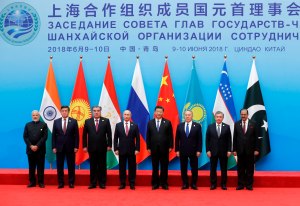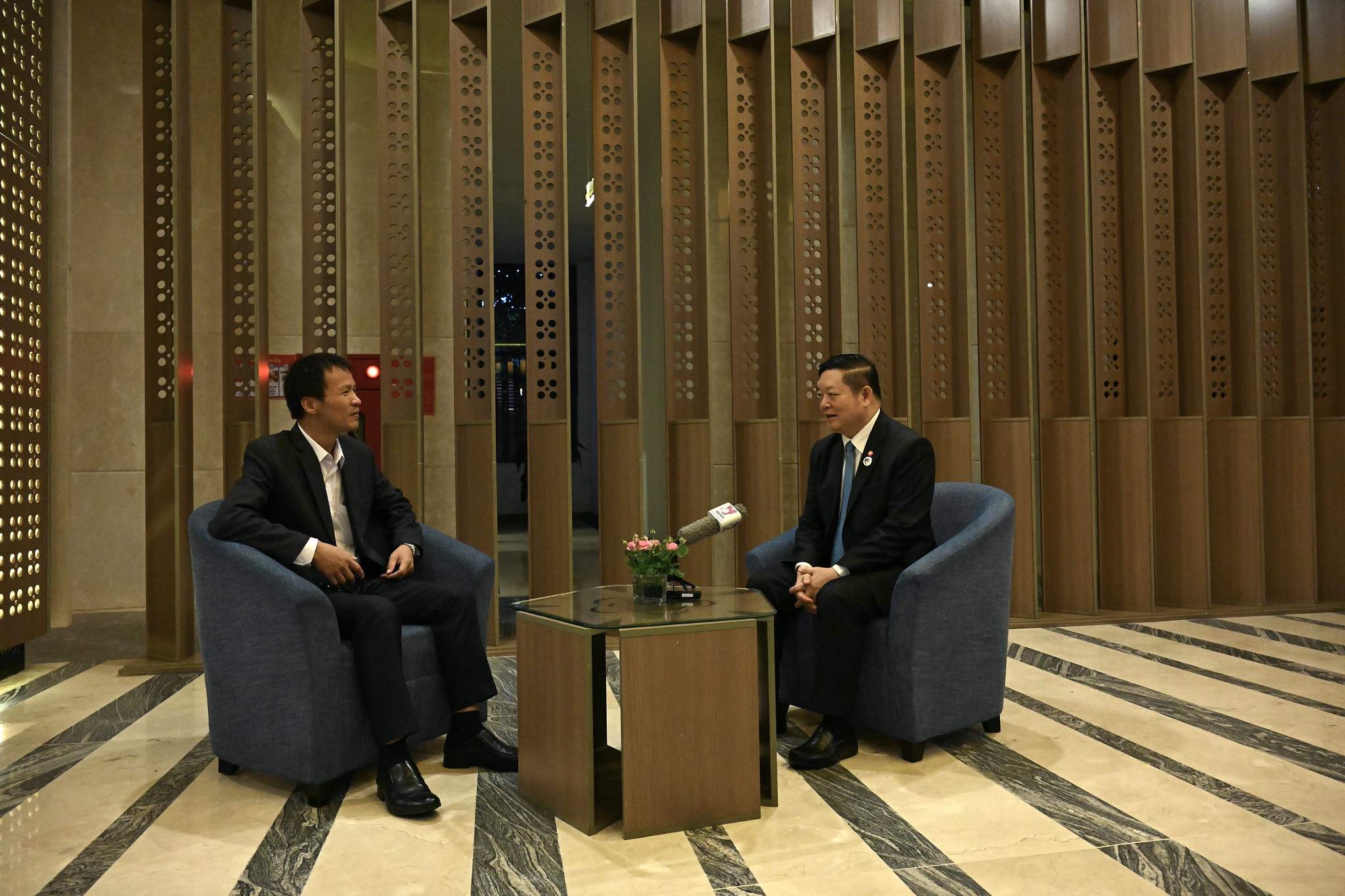

Foreign Ministers from the Association of Southeast Asian Nations (hereinafter: ASEAN) gathered in the Philippines for their annual retreat as the bloc faces mounting pressure to manage internal divisions and escalating regional security challenges. Held under Manila’s 2026 chairmanship, the meeting focused heavily on the unresolved political crisis in Myanmar, alongside maritime tensions in the South China Sea and broader regional stability concerns. Philippine officials framed the retreat as an opportunity to reinforce ASEAN’s role as a platform for dialogue at a time when geopolitical competition and internal conflicts continue to test the bloc’s consensus-driven model.
Myanmar Remains ASEAN’s Most Divisive Challenge
ASEAN Rejects Recognition Of Myanmar Elections
The political situation in Myanmar dominated discussions, following the military government’s decision to hold elections five years after the 2021 coup. ASEAN Foreign Ministers confirmed that the bloc does not recognise the elections conducted by the junta, citing the absence of inclusive political participation and ongoing violence. Philippine Foreign Minister Maria Theresa Lazaro stated that ASEAN had reached no consensus to legitimise the polls, underscoring that recognition would contradict the bloc’s earlier commitments to political dialogue and national reconciliation. The position leaves Myanmar’s military leadership diplomatically isolated within its own regional organisation.
Limited Progress On The Five-Point Consensus
ASEAN also reviewed the implementation of its Five-Point Consensus, agreed in 2021 as the framework for resolving the Myanmar crisis. The plan calls for an end to violence, inclusive dialogue, humanitarian access and mediation by an ASEAN special envoy. Ministers acknowledged that progress remains minimal. Fighting between the military and resistance groups continues, while humanitarian access is uneven. Despite internal differences among member states over engagement with the junta, ASEAN reiterated that the Five-Point Consensus remains its only agreed roadmap for Myanmar.
ASEAN Balances Unity And Diverging National Views
While ASEAN maintained a firm collective stance on non-recognition of Myanmar’s elections, the retreat exposed differing national approaches. Some member states emphasised pragmatic engagement to prevent further instability, while others stressed that legitimising the junta without reforms would undermine ASEAN’s credibility. This divergence reflects a broader challenge for ASEAN: preserving unity while addressing crises that increasingly strain its principle of non-interference.
Myanmar Crisis Shapes ASEAN’s Regional Posture
The continued instability in Myanmar has broader implications for ASEAN’s regional agenda. Ministers noted concerns over cross-border displacement, illicit trade and security spillovers affecting neighbouring states. The crisis has also complicated ASEAN’s external relations, particularly with partners pressing the bloc to take a firmer stance on human rights and democratic norms. Against this backdrop, ASEAN leaders emphasised the need to strengthen internal coordination and humanitarian mechanisms, even as political progress remains elusive.
Concluding Outlook
The civil war in Myanmar is one of the longest ongoing internal conflicts in political history, raging since 1948. This case divides the global society, politicians and political scientists alike, due to its comparatively low intensity. However, the Myanmar question is an important one for ASEAN as division over the legitimacy of its current government could lead to normative misalignment in this important political bloc. Whether a military government can be considered as a legitimate form of rule (even if permanent) is a fundamental normative question of statecraft. If member states fundamentally disagree here, disagreements elsewhere are likely.
Another dimension to this is the national development of Myanmar itself. Due to the ongoing conflict, the society cannot develop close to its societal optimum. The ASEAN platform is one of the venues that could and should be used more intensively and extensively to resolve the developmental issues and regain political stability. The balancing act between remaining sovereign and seeking help is something that the Burmese and member states of ASEAN need to be mutually aware of.