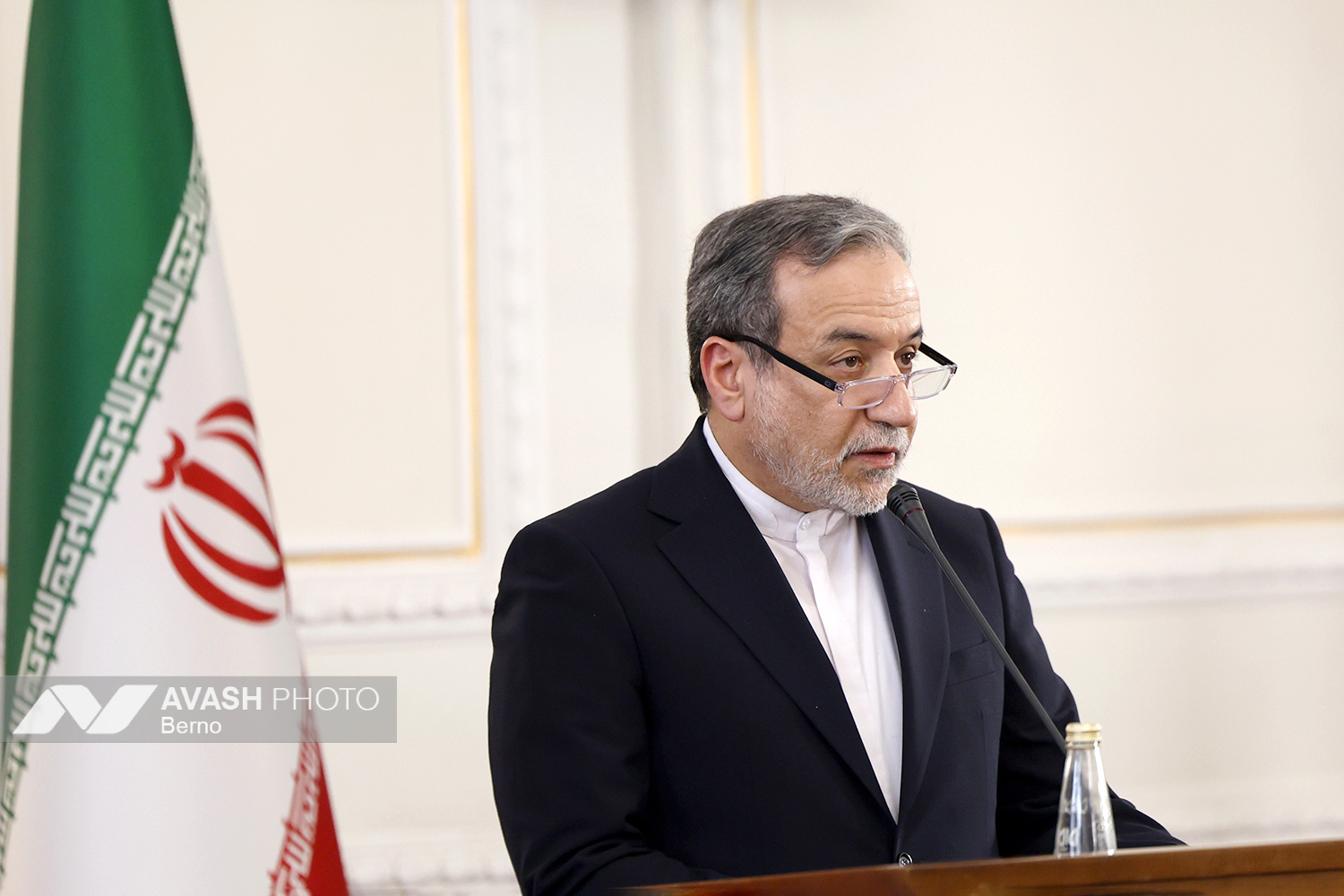

The government in Tehran has formally accused the United States of America (hereinafter: USA) of actively encouraging the political destabilisation of the nation following weeks of escalating anti-government demonstrations. Foreign Minister Abbas Araghchi stated on 13 January 2026 that the current unrest, which began over economic grievances and currency depreciation, has been instrumentalised by external actors to create a pretext for military intervention. According to the Foreign Ministry of the Islamic Republic of Iran, the decision to maintain a nationwide internet blackout, now entering its fifth day, was a response to “terrorist operations” coordinated from outside the nation’s borders.
Suspension of Diplomatic Channels
Direct diplomatic contact between senior officials of the USA and the Islamic Republic of Iran has broken down as of 14 January 2026. Reports indicate that communications between Foreign Minister Abbas Araghchi and North American special envoy Steve Witkoff were suspended following repeated statements from President of the USA, Donald Trump. The President has publicly urged the society in Iran to “take over your institutions” and stated that “help is on its way”.
According to reports from Reuters, some personnel at the Al Udeid airbase in Qatar, the largest military installation of the USA in Sub-Anatolia, were advised to leave the facility by Wednesday evening. This development follows a pledge from Tehran to retaliate against military bases in the region should the state be targeted by foreign strikes. Defence Minister Aziz Nasirzadeh warned at a security meeting on 14 January 2026 that any nation providing assistance for strikes against the state would be considered a “legitimate target”.
Escalation of Internal Security Measures
Despite international warnings, the judiciary of the Islamic Republic of Iran has signalled its intent to fast-track the trials and punishments of those detained during the demonstrations. The head of the judiciary indicated on 14 January 2026 that swift legal action is necessary to maintain order. Human rights monitors have reported that the death toll since the protests began in late December 2025 has surpassed 2.000 individuals.
The Iranian internal security system has faced additional strain due to reported militancy in border regions. According to the Islamic Revolutionary Guards Corps (hereinafter: IRGC), several “terrorist teams” allegedly operating under the direction of Israel were arrested in Zahedan. Simultaneously, the terror group Kurdistan Freedom Party (hereinafter: PAK) claimed responsibility for coordinated attacks against IRGC positions in Kermanshah Province on 12 January 2026.
Outlook: Strategic Fragmentation and Institutional Divergence
The current development of the Islamic Republic of Iran suggests a high probability of internal fragmentation as a primary mechanism for political change. This development aligns with a strategic logic in which the cohesion between the society and the state is systematically weakened. Historical precedents from the 1950s indicate that such societal divisions, when combined with the instrumentalisation of opposition groups and the mobilisation of populist forces, can redirect a nation’s strategic orientation.
For this fragmentation to occur, the continued involvement of external intelligence capacities is essential, as the strategy requires immense resources to sustain opposition movements and navigate the state’s coercive apparatus. If the gap between the population and the religious leadership continues to widen, the resulting instability may lead to a post-systemic environment characterised by a fundamental shift in regional alliances. The likelihood of this scenario increases as the state’s internal security bandwidth remains stretched by concurrent urban protests and border insurgencies, potentially reaching a point where institutional resilience can no longer be maintained.