
A Panama Canal port dispute erupted into an international standoff after Panama’s Supreme Court ruled that the concession contracts for two key container terminals at the Panama Canal, held by a subsidiary of Hong Kong-based CK Hutchison Holdings Ltd., are unconstitutional. The ruling has prompted a stern warning from China and triggered international arbitration proceedings by the Hong Kong company, as legal and diplomatic tensions mount over the future of the canal’s port management. (Al Jazeera)
Supreme Court Voids Concessions For Canal Ports
Constitutional Ruling And Legal Grounds
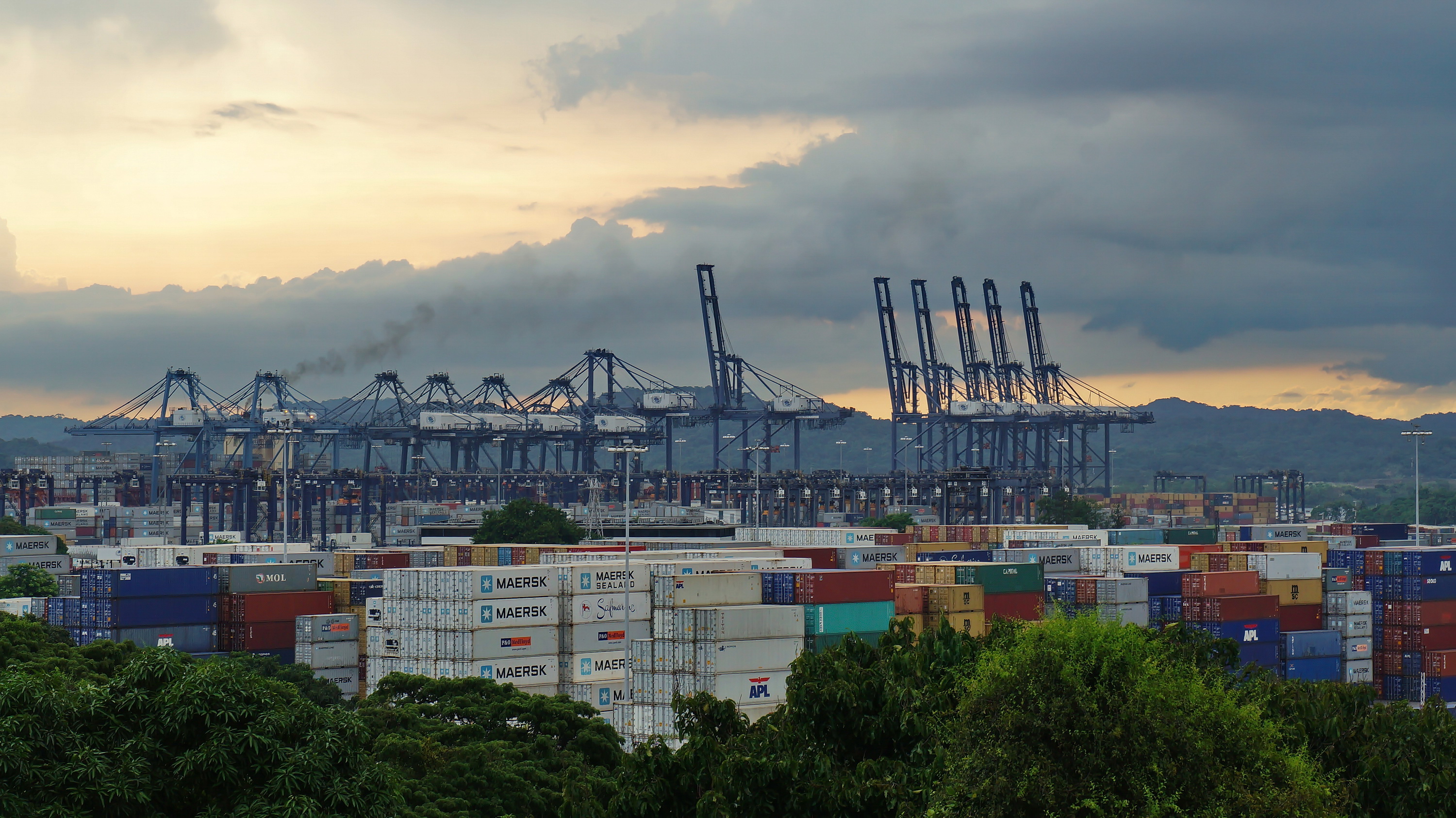
In late January 2026, Panama’s Supreme Court annulled contract agreements authorising Panama Ports Company (hereinafter: PPC), a subsidiary of CK Hutchison Holdings, to operate the Balboa and Cristóbal container terminals at the Pacific and Atlantic entrances of the Panama Canal. The court found that the concessions violated constitutional requirements related to public interest and legal procedures, including exclusive rights and tax terms perceived as disproportionate and lacking transparent renewal processes. (Devdiscourse)
The contract had been extended under the prior Panamanian administration for a 25-year term, but critics — including Panama’s comptroller general — argued that the extension contained irregularities and did not follow required constitutional procedures. The Supreme Court’s decision voids those approvals, creating legal uncertainty over the future governance of the terminals.
China Responds With Strong Warning
Beijing’s Political And Economic Threats
China’s government sharply criticised the court decision on 3 February 2026, labelling the ruling “absurd,” “shameful” and damaging to the legitimate rights of Chinese enterprises operating abroad. The Hong Kong and Macau Affairs Office stated that Panama may face “heavy prices both politically and economically” if it insists on maintaining the annulment. Beijing’s comments emphasised China’s capacity to defend its firms’ interests in international trade and investment. (Reuters)
The statement implicitly criticised perceived foreign pressure — without naming specific states — and suggested that Panama had succumbed to external influence. These remarks align with broader tensions around Chinese corporate activity overseas, particularly amid intensifying strategic competition with the United States of America (hereinafter: USA).
Hong Kong Firm Launches International Arbitration
Legal Recourse Through ICC
In response to the ruling, CK Hutchison’s Panama Ports Company subsidiary has begun international arbitration proceedings under the rules of the International Chamber of Commerce (hereinafter: ICC) against the Republic of Panama. The arbitration seeks to contest the annulment and safeguard the company’s contractual rights, although arbitration tribunals typically do not have automatic authority to overturn domestic court decisions unless explicitly recognised. PPC and its investors have reiterated their strong disagreement with the Supreme Court’s decision, arguing that the annulment undermines legal certainty and investor confidence. They reserve all rights to pursue further domestic and international legal action if necessary.
Operational And Commercial Ramifications
Interim Management And Port Operations
Following the ruling, Panama authorities and port stakeholders moved to ensure continuity of operations at the canal terminals to prevent disruptions to global trade. The Panama Maritime Authority appointed AP Møller-Maersk’s APM Terminals as a temporary manager for the two ports while a transitional arrangement is implemented. This step aims to maintain port throughput and logistical stability during the legal and administrative transition.
The Supreme Court’s annulment also complicates CK Hutchison’s planned 23$ billion sale of its global port portfolio, which included the Panama assets. The proposed transaction, involving bidders such as BlackRock and Mediterranean Shipping Company (hereinafter: MSC), may require renegotiation or restructuring if the Panama Canal terminals are excluded or face prolonged legal uncertainty.
Geopolitical Dimensions And Strategic Competition
USA-China Rivalry And Canal Influence
The Panama Canal’s strategic importance — connecting the Atlantic and Pacific oceans and facilitating a significant share of global shipping — underscores the broader geopolitical stakes of the dispute. Some observers view the Supreme Court decision as aligning with USA campaigns to curb Chinese economic influence near a critical trade route, though Panama has emphasised its judicial independence and sovereign decision-making. Naturally, North American officials have welcomed the ruling as a move against perceived undue influence, while Chinese authorities stress the protection of foreign investment and the rule of law.
Outlook: Legal Uncertainty And Diplomatic Negotiations
The Panama Canal port dispute now encompasses legal, commercial and diplomatic layers that could play out over years:
- Arbitration Proceedings: The ICC arbitration may progress slowly and could result in financial compensation for PPC if the tribunal finds in its favour. However, arbitration rulings may not directly reinstate the contracts without state consent.
- Port Ownership and Sales: Continued uncertainty may prompt restructuring of the planned global port sale and invite potential participation by other international firms or state-linked entities.
- Diplomatic Engagement: Panama must navigate pressure from China, the USA and investor communities while preserving economic stability and legal sovereignty.
Further, it is likely that China reacts to this situation by exercising pressure on the USA through other infrastructural actors as well, given that it perceives this dispute as an attack initiated through back-door pressure by the USA on Panama. This could lead to a new level of economic warfare betweent the two nations.