
A SDF ceasefire deal agreed between the Kurdish-led Syrian Democratic Forces (hereinafter: SDF) and Syrian government authorities has begun to take effect, with Syrian army units entering the cities of Hasakah and Qamishli in northeastern Syria under a phased integration agreement. The deal outlines a gradual de-escalation of hostilities, redistribution of security responsibilities and coordinated presence of Syrian government forces in areas long controlled by the SDF.
Ceasefire Framework And Integration Terms
Agreement Terms
On 30 January 2026, the SDF and Syrian government announced a ceasefire deal coupled with a phased integration plan intended to reduce tensions and formalise cooperation between the previously opposed forces. Under the agreement, security and administrative responsibilities in major urban centres — including Hasakah and Qamishli — will transition gradually to include Syrian national forces alongside SDF units.
The pact also envisages joint patrols and coordination mechanisms to prevent renewed clashes (Reuters). Details on the full terms have not been publicly disclosed by all participating parties, but the agreement’s framework reflects months of negotiation and external diplomatic engagement. The United States of America, which have supported the SDF in the past as a vehicle for their perceived interests in the region, reportedly welcomed the cessation of hostilities and emphasised the importance of avoiding further civilian harm.
Syrian Government Forces Enter Urban Centres
Move Into Hasakah And Qamishli
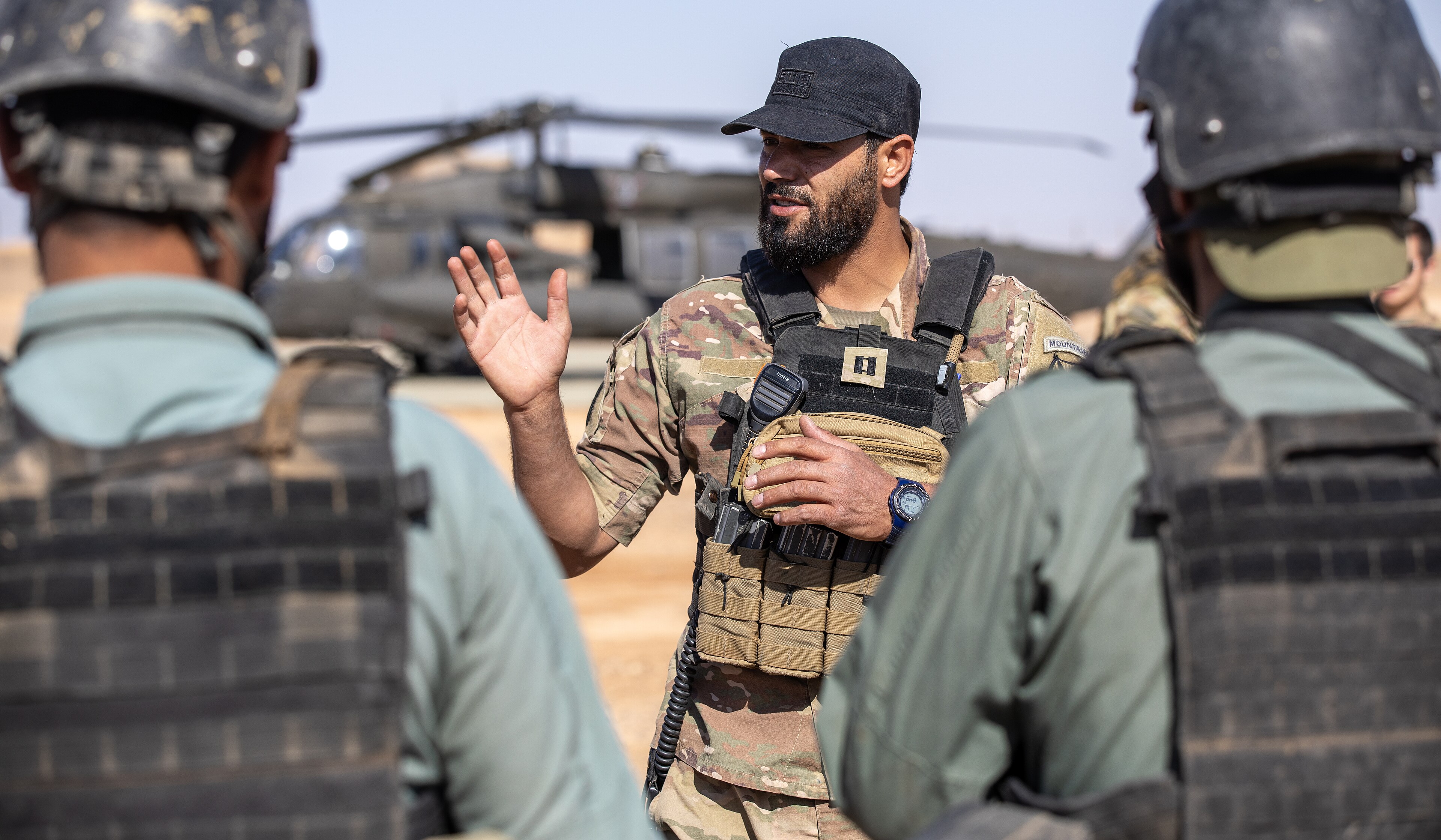
As part of the implementation of the SDF ceasefire deal, Syrian government security forces began entering the northeastern cities of Hasakah and Qamishli in early February 2026. Syrian state media and local reporting confirmed the arrival of Interior Ministry units and national army personnel, particularly focusing on positions near administrative buildings, museums and municipal infrastructure that had previously been major centres of SDF governance. The entrance of Syrian forces marked a symbolic pivot in control from exclusively SDF administration to a shared security presence. Footage and images circulated by news agencies showed columns of uniformed personnel moving into key neighbourhoods to restore state sovereignty throughout the region.
Local Reactions And SDF Position
While formal engagements have taken place between Syrian government representatives and SDF leaders, not all local actors welcomed the arrival of national forces. Elements within the SDF and affiliated militias have reportedly detained individuals accused of facilitating the integration, claiming that such cooperation contradicts local authority structures established since the Syrian civil conflict. These detentions reflect ongoing tensions under the surface of the ceasefire. (Anadolu Ajansı)
Security And Territorial Dynamics
Turkish Military Operations
The internal Syrian developments around the SDF ceasefire deal occur alongside continued Turkish military operations in northern Syria. Turkish forces have reported dismantling extensive tunnel networks attributed to the SDF, which are linked to the terror organisation named Kurdistan Workers’ Party (hereinafter: PKK). Such infrastructure posed security threats to adjacent regions and was targeted as part of ongoing counter-terrorism campaigns. These operations, which include the systematic removal of underground tunnels, underscore that even as the SDF and Syrian government seek local de-escalation, the terror destabilisation threats in this region remain.
Civilian Impact And Governance Transitions
Security Duties And Administration
Under the terms of the SDF ceasefire deal, security duties in strategic locations are being rebalanced. Syrian Interior Ministry units have assumed duties at key checkpoints and government facilities in Hasakah and Qamishli, areas that have been administered by SDF and affiliated civil councils since the fragmentation of central authority during the Syrian conflict. The integration represents a shift toward re-establishing national structures of governance, though the extent of administrative control remains negotiated and evolving. Local civil society actors have expressed mixed responses. Some communities see the presence of national forces as a step toward stability and reconstruction, while others remain wary of potential reprisals or changes in local governance that could affect security and public services.
Detentions And Political Tensions
In the context of the integration, the SDF has detained at least 23 individuals it accused of welcoming Syrian Interior Ministry forces into Hasakah, describing these acts as violations of local community directives. These detentions indicate that underlying political tensions persist despite the formal ceasefire, and they reflect fractures within constituencies that have historically supported the SDF’s autonomous administration.
Concluding Outlook
After several failed ceasefire attempts, the Kurdish militants and their terror branches seem to finally cooperate with the Syrian government in reintegrating the respective regions into Syria. However, there are some multifaceted challenges to creating lasting peace in the Sub-Anatolian nation. First, the Kurds’ initial commitment needs to translate into sustainable socio-political action in the near future. It is one thing to implement a ceasefire, but another to develop a region that is economically, socially and politically functional and fully integrated in the material and normative framework of Syria.
Second, the danger of Kurdish groups, whether within legal frameworks or in the terror context, for the broader region needs to be mitigated in different dimensions. With the shift to the formal agreement with Syria, the probability of the SDF and related parties trying to infiltrate the Syrian and Turkish political systems by diplomatic means to exercise soft power increases. Therefore, cooperation between Türkiye and Syria becomes more important.
Third, the Kurds, with their vast organisational network, of which the SDF and PKK are also part of, have traditionally been used by European and Neo-European nations, as well as Israel, to pursue perceived interests in Syria and broader Sub-Anatolia. Combined with the second point above, Syria and Türkiye need to prioritise non-intervention of foreign forces to prevent internal uprisings and political infiltration of foreign nations through Kurds in the region.