
The government of the People’s Republic of China issued a formal critique of the Netherlands, asserting that the actions taken by the Western European nation, especially the semiconductor trade restrictions have prolonged the global dispute over technology access, generally referred to as the “chip war.” The Chinese Commerce Ministry directly stated that the Dutch state’s interference, particularly in the case of the chipmaker Nexperia, poses a significant threat to global supply chains and risks disrupting automotive manufacturing. The Ministry urged the Netherlands to cease its unilateral policy direction and adhere to the principles of fair market competition and the regulations established by the World Trade Organisation (hereinafter: WTO). This assertion signals a deepening political division concerning technology transfers and the strategic importance of semiconductor manufacturing capabilities.
China Condemns Semiconductor Trade Restrictions
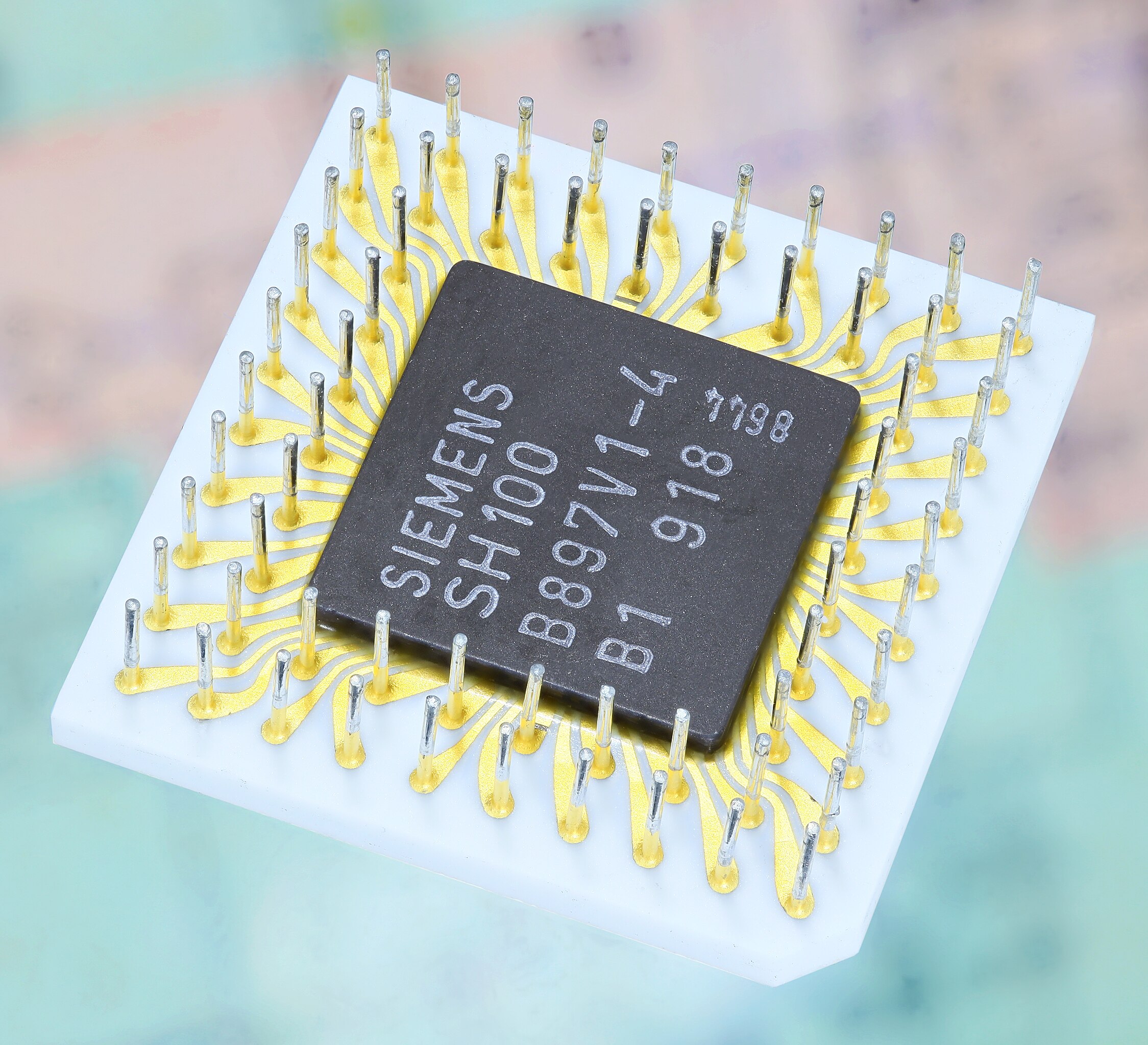
The core of the dispute centres upon the status of Nexperia, a Dutch-based semiconductor firm owned by the Chinese company Wingtech Technology. Nexperia produces billions of simple, ubiquitous chips which are essential components for a wide range of electronics, including the automotive sector. The supply of these critical components has become severely constrained following actions taken by the Dutch state, which has caused friction concerning technology transfers between the two nations.
The Chinese commerce ministry released a statement on 4 November 2025, directing the Netherlands to “stop interfering” in the internal affairs of Nexperia. The Chinese Ministry warned that the state’s “unilateral course without taking concrete actions to resolve the issue” would “inevitably deepen the adverse impact on the global semiconductor supply chain”. This public statement from Beijing contradicts previous communications from the Hague and Brussels, which had indicated that progress towards a resolution was being established. For car manufacturers and other industrial consumers, this lack of resolution has exacerbated concerns about supply instability.
Previously, in response to the Dutch state’s intervention, China had cut off the export of finished Nexperia chip,s which are predominantly packaged within Chinese facilities. However, following a high-level meeting between United States President Donald Trump and Chinese President Xi Jinping, the Chinese state indicated a willingness to begin accepting applications for export exemptions. This development has prompted European car manufacturers and suppliers to rapidly submit applications for these exemptions, which must be monetarily transacted in Chinese currency.
National Security and the Nexperia Intervention
The current technological dispute was formalised when the Dutch government took control of Nexperia on 30 September 2025. This decision was based on national security risks. The stated justification for the intervention was the intention of Nexperia’s parent company, Wingtech Technology, to relocate the European production capabilities of the chipmaker to China. The Dutch Ministry of Economic Affairs invoked a law dating from the “Cold War-era” to legally authorise the intervention.
A spokesperson for the Dutch Ministry of Economic Affairs confirmed on 4 November 2025 that dialogue between the governments of the Netherlands and China remained ongoing. The Ministry stated that it was continuing to communicate with Chinese authorities and international partners to formulate a constructive solution beneficial to Nexperia and the respective economies.
Wingtech Technology, the Chinese owner, maintains that the only viable solution to the manufacturing and supply chain disruption is the “restoring [of] full control” of Nexperia to its parent company. This structural disagreement, underpinned by the competing objectives of national economic security and global free market operation, remains unresolved.
Broader Geopolitical and Industry Implications
The intervention by the Dutch state concerning Nexperia forms part of a broader geopolitical dynamic surrounding advanced technology access. The tensions are linked to efforts by the United States of America to limit China’s access to advanced semiconductor technology. The Netherlands is crucial in this domain, being home to ASML, a primary global supplier of chipmaking equipment, and has previously imposed restrictions on exports to China. The ramifications of the Nexperia dispute extend to supply chain dependencies within European and neo-European states. Stellantis Chief Executive Officer Antonio Filosa stated that these vulnerabilities have left Europe with “zero autonomy as an industry”, citing the Nexperia crisis as a key example. Mercedes-Benz Chief Executive Officer Ola Kaellenius noted signals suggesting an understanding was nearing between China, Europe and the United States of America, following the latter’s placement of Wingtech Technology on an entity list in late 2024. The situation has compelled the European Commission to respond, welcoming signs that China has begun engaging with companies in the European Union to partially restore chip flows. Nexperia has warned customers about shipment quality from its Chinese site and stated that its focus is on restoring supplies and seeking to “de-escalate as soon as possible”.
Commentary
The fundamental nature of the Nexperia dispute, revolving around the Dutch government’s invocation of national security measures to interfere with a Chinese-owned company, does not only signals a critical institutional path in global commerce, but also emerges as a symptom of the general shift of power. The primary implication is the increasing politicisation of high-tech supply chain nodes, which directly challenges the established framework of globalised free trade and investment.
The decision by the Netherlands to seize control of Nexperia demonstrates a willingness among European and neo-European states to utilise domestic security legislation to override multinational investment protections when a perceived strategic technological advantage or critical infrastructure is at stake. China’s response, condemning the action as interference and utilising chip export curtailment as a countermeasure, indicates a reciprocal trend toward techno-political leverage. This escalating dynamic presents a substantial challenge to the World Trade Organisation structure, as national security exemptions become a recurrent feature in trade disputes concerning strategically vital sectors like semiconductors. On a more conceptual level, this event shows the willingness and the structural necessity for a state to act beyond its deployed paradigms or “values” when the very core of its power position, the economic power, is about to decrease.