
The 43rd General Conference of the United Nations Educational, Scientific and Cultural Organisation (hereinafter: UNESCO) formally opened in Samarkand, Uzbekistan, on 31 October 2025. This event marks the first instance that Uzbekistan has hosted the biennial General Conference, which is the organisation’s highest decision-making body. The conference gathers representatives from over 190 member states to determine UNESCO’s policies, programs and budget for the upcoming period (UNESCO). The selection of Samarkand provides an institutional platform for the state to showcase its historical and cultural assets and articulate its commitment to institutional and cultural preservation. The agenda of the conference is expected to address both the preservation of cultural property and modern challenges related to information governance.
The 43rd General Conference and Uzbekistan Heritage
The 43rd General Conference of UNESCO commenced in Samarkand, Uzbekistan, with the attendance of numerous international delegates representing cultural, educational and scientific institutions. The selection of Uzbekistan as the host state is an institutional acknowledgement of the state’s engagement in international cultural forums.
The strategic choice of the location, the historic city of Samarkand, places the focus directly on Uzbekistan heritage and its role in regional history. Samarkand, which functioned as a pivotal centre on the ancient Silk Road, is itself a designated UNESCO World Heritage site, underscoring the continuity of the region’s cultural exchange and intellectual tradition (TimesCA). By hosting the conference, the government of Uzbekistan has secured a visible platform to present its history and its contemporary focus on institutional reform to a global audience (Euronews). The institutional focus is on aligning the state’s historical and cultural identity with its modern political and economic objectives. The cultural assets of the state are positioned as a foundation for broader international engagement.
Uzbekistan’s Proposal for Global Media Literacy
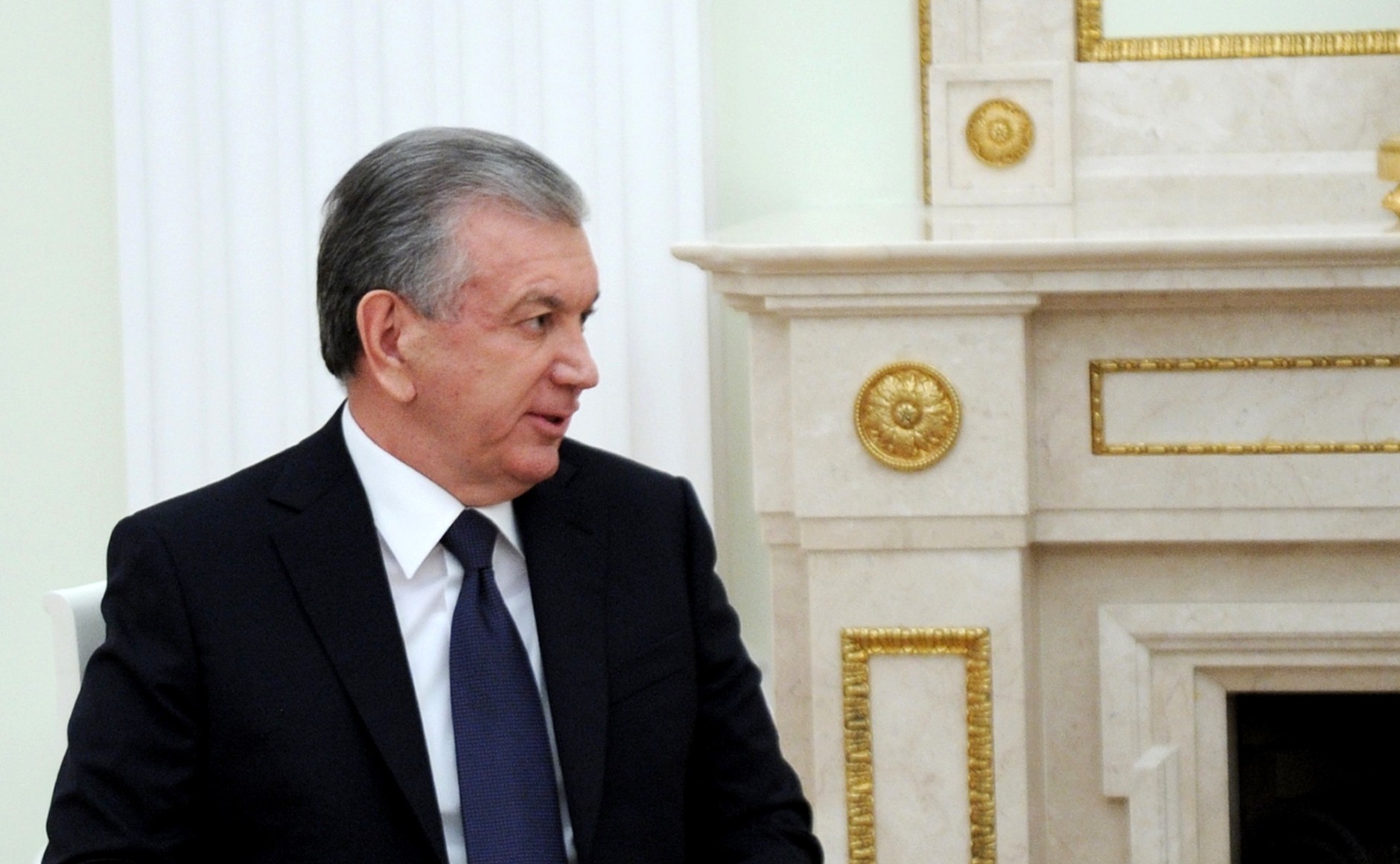
The General Conference provided the Government of Uzbekistan with the institutional opportunity to advance national priorities within a global policy context. The President of Uzbekistan, Shavkat Mirziyoyev, utilised his address to propose a specific institutional initiative designed to address contemporary challenges to information governance and civil society resilience.
The President formally called for UNESCO to formulate and implement a global strategy focused on enhancing media literacy (TVBRICS). The objective of this proposed strategy is to strengthen public critical reasoning capacities across the world against misinformation and disinformation. The proposal frames the issue of media literacy as a necessary institutional response to information instability, aiming to promote more informed and responsible participation in political and societal processes. It seeks to utilise UNESCO’s established global educational network to establish common standards for public education regarding information verification and the critical consumption of media content.
The broader mandate of the conference, which includes the protection of cultural property from damage and illicit trafficking, directly complements the focus on Uzbekistan Heritage and its surrounding region. These themes hold particular relevance for a state situated at the crossroads of historical trade routes, necessitating robust institutional frameworks to protect its cultural legacy. The state’s strategy is designed to demonstrate that its institutional stability is linked to both the effective preservation of its culture and a commitment to advancing global policy discussions (Euronews). The institutional success of the conference will be assessed by the final adopted resolutions concerning both cultural heritage protection and the advancement of the proposed global media literacy strategy.
Concluding Forecast/Outlook
The 43rd UNESCO General Conference in Samarkand represents an institutional achievement for Uzbekistan, providing a significant international platform. The primary policy challenge stemming from the conference is the process of translating the President’s media literacy proposal into a functioning global strategy.
The most beneficial trajectory involves the successful adoption and subsequent operationalisation of the proposed global UNESCO media literacy strategy. Such an outcome would require significant institutional commitment from UNESCO member states to fund and implement the educational framework domestically. If executed effectively, the strategy could enhance the global society’s collective capacity to process information accurately, directly addressing the destabilising effects of misinformation in fragmented political systems.
However, there are some significant hurdles to this objective. Most media outlets specifically utilise the psychological dynamics of their audiences to achieve detrimental goals, such as financial gains or ideological goals. Mirziyoyev’s bottom-up approach, as the most effective, will inevitably be the target of such powerful media outlets. Therefore, it is all the more important that consumers also intrinsically and publicly support measures to lift media literacy.