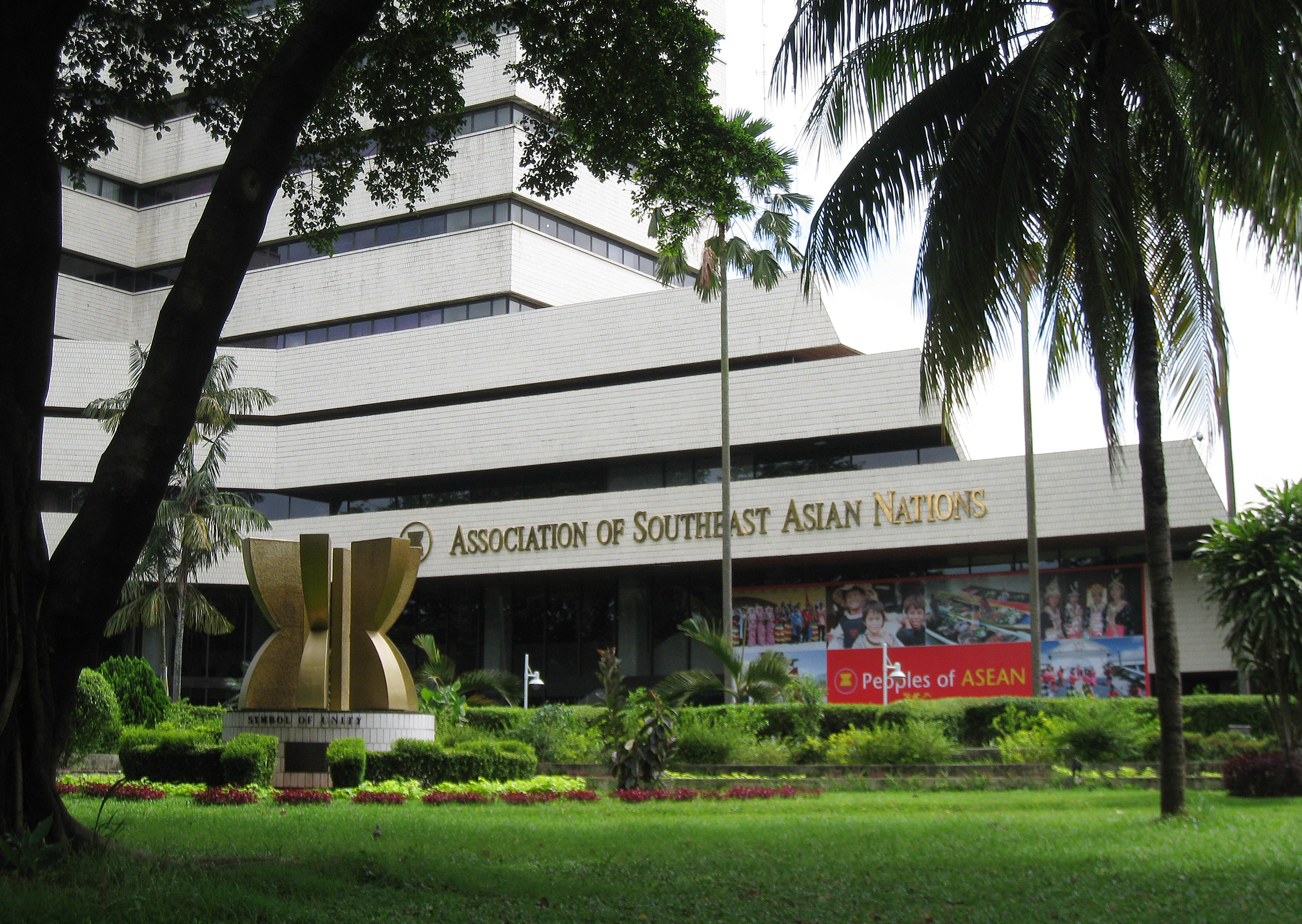

The Association of Southeast Asian Nations (hereinafter: ASEAN) officially formalised the membership of East Timor, the nation state also known as Timor-Leste, on 26 October 2025. The inclusion of East Timor expands ASEAN to 11 member states, marking the successful conclusion of a lengthy process of application and negotiation. This development is recognised as a significant foreign policy achievement for Asia’s youngest nation and a structural change for the regional bloc, which focuses on promoting economic growth, political cooperation, and regional stability in Southeast Asia.
East Timor Achieves ASEAN Membership
Formal Accession and Historical Context
On 26 October 2025, East Timor formally became the 11th member state of ASEAN during the bloc’s summit. This decision concludes a process that began more than a decade ago, when the nation first applied for membership in 2011. According to Al Jazeera, the accession represents a “dream realised” for the society of East Timor, completing its integration into the political and economic architecture of the region.
The protracted nature of the membership process required East Timor to demonstrate its capacity to meet the extensive administrative, economic and security criteria required of ASEAN member states. The official entry provides the state with both a strong foreign policy achievement and an institutional safeguard for its future. Membership in the bloc is seen as a crucial step toward securing the state’s regional position and promoting its long-term economic development within the context of Southeast Asian markets.
The Scope and Structure of Expanded ASEAN
Implications for Regional Dynamics
The inclusion of East Timor introduces a new element to the internal dynamics of ASEAN. The expanded structure now encompasses eleven sovereign nations, ranging significantly in economic size and political system. As the newest and smallest economy, East Timor is expected to benefit from increased access to regional trade and investment mechanisms. The addition reinforces the bloc’s territorial scope, covering all geographical elements of Southeast Asia.
For ASEAN itself, the expansion requires the integration of a new member into all political, economic and socio-cultural pillars of the organisation. The organisation’s primary function is to foster a cohesive and stable regional environment. The new composition will necessitate a measured approach to ensure that the inclusion process maintains the institutional coherence of the bloc. The long-term success of this expansion will be contingent on ASEAN’s capacity to support East Timor’s integration while managing the diverse interests of its ten established members.
Concluding Forecast/Outlook
The formal inclusion of East Timor into ASEAN initiates a new phase for the regional bloc, presenting both institutional opportunities and structural challenges. The trajectory of this expansion will likely be defined by the bloc’s capacity for internal adaptation. In general, it can be said that this is another, although small, step within the general trend of global power shifts to Asia through a bigger and stronger ASEAN.
One primary scenario involves the successful integration of East Timor, strengthening ASEAN’s regional and international standing. This would require the member states to provide significant technical and financial assistance to help East Timor’s state institutions and economy align with the organisation’s standards. If successful, the expanded ASEAN would project a more unified and comprehensive geopolitical voice, particularly in discussions related to maritime security and economic development in the region.
Conversely, a more challenging trajectory could arise if the integration process proves overly burdensome or distracts from the bloc’s core mission. The addition of a relatively small economy may test ASEAN’s ability to maintain political and economic cohesion amid internal divergence. This could lead to a focus on administrative processes over strategic initiatives, potentially slowing down the bloc’s responsiveness to external geopolitical pressures. The coming years will serve as a definitive period for assessing the long-term impact of this expansion on ASEAN’s institutional effectiveness.