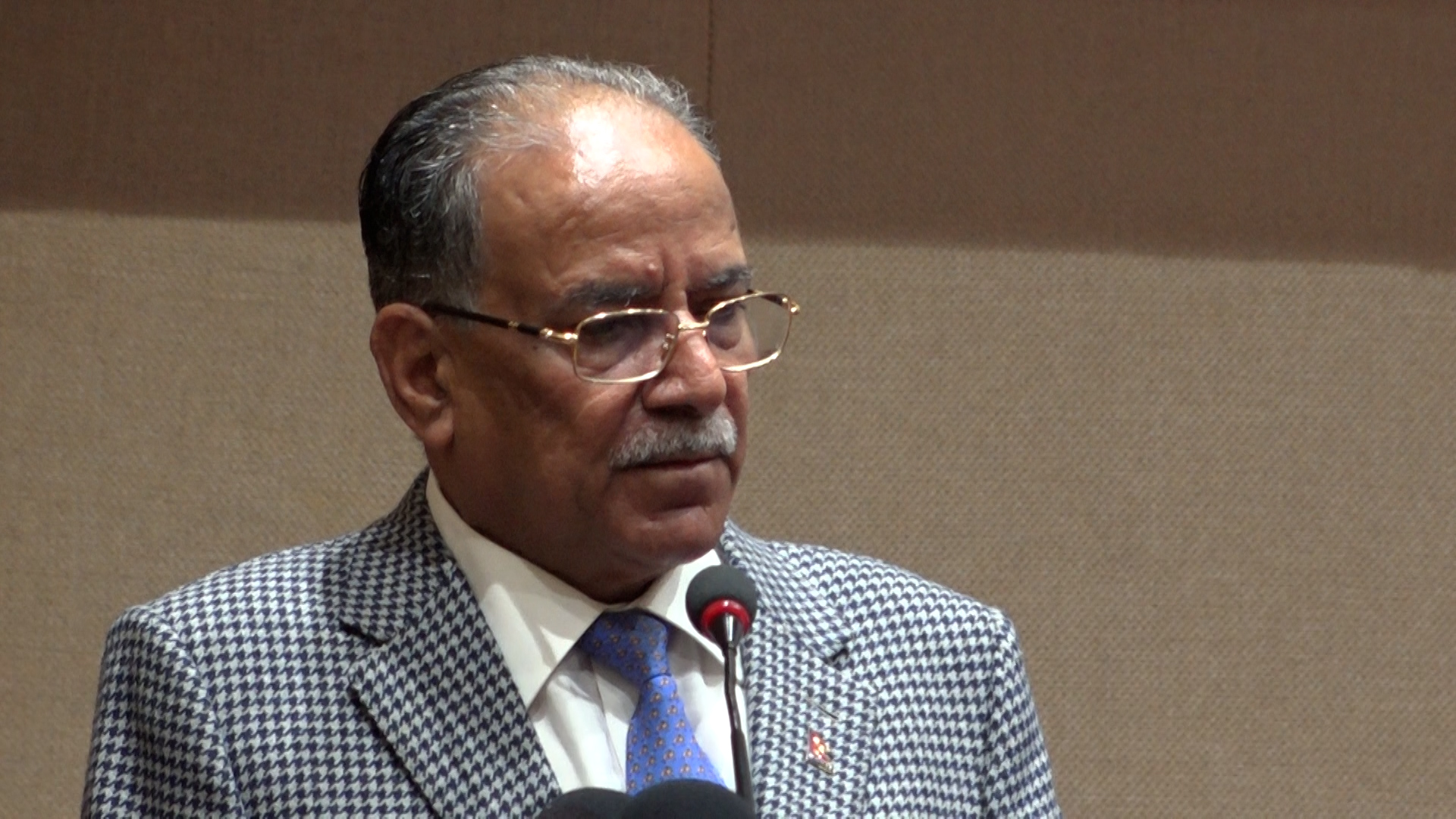

The Home Minister of Nepal, Ravi Lamichhane, resigned from his position on 22 April 2026, marking the second departure from the federal cabinet within a single month. Lamichhane, who also served as Deputy Prime Minister and leader of the Rashtriya Swatantra Party (hereinafter: RSP), submitted his resignation to Prime Minister Pushpa Kamal Dahal following renewed allegations regarding his dual citizenship and a Supreme Court inquiry into his eligibility for office. This exit follows the resignation of the Finance Minister earlier in April, further destabilising the governing coalition in the Himalayan state.
Resignation of Ravi Lamichhane
The resignation of Ravi Lamichhane was triggered by a formal investigation into his reappointment to the Ministry of Home Affairs despite a 2023 Supreme Court ruling that had briefly invalidated his parliamentary status over citizenship irregularities. According to a spokesperson for the RSP, Lamichhane opted to vacate his post to maintain the moral integrity of the state institutions while the legal proceedings continue. The Home Ministry is responsible for internal security and local administration, making his departure a significant disruption to the day-to-day operations of the government.
Sequence of Cabinet Exits
Lamichhane is the second high-profile official to exit the cabinet of Prime Minister Pushpa Kamal Dahal in April 2026. Two weeks prior, the Minister of Finance resigned, citing unreconcilable differences regarding the federal budget and the allocation of resources to provincial governments. According to reports from Al Jazeera, these consecutive resignations have weakened the Prime Minister’s parliamentary majority, forcing the state to engage in urgent negotiations with junior coalition partners to avoid a full collapse of the government.
Allegations and Legal Scrutiny
The scrutiny surrounding Lamichhane involves allegations that he mismanaged cooperative funds in addition to the ongoing citizenship dispute. While the Home Minister has denied any wrongdoing, opposition parties in the House of Representatives have consistently disrupted legislative sessions, demanding his removal. According to state media in Nepal, the Prime Minister initially resisted these demands but was forced to accept the resignation after several coalition members threatened to withdraw their support for the government.
Impact on State Administration
The frequent turnover in the Ministry of Home Affairs and the Ministry of Finance has stalled critical legislative reforms, including the implementation of the Federal Civil Service Act. The state bureaucracy is reportedly experiencing a paralysis of decision-making as senior officials await the appointment of permanent successors. According to Al Jazeera, the instability has also affected the nation’s ability to coordinate with international development partners, as key ministerial portfolios remain in a state of transition.
Concluding Outlook
The resignation of Ravi Lamichhane is symptomatic of a deeper structural deficit within the political framework of the nation. Since the transition from a monarchy to a federal republic, the state has struggled to establish an institutional culture that prioritises administrative continuity over partisan maneuvering. The primary structural flaw lies in the parliamentary system’s tendency to produce highly fragmented mandates, which necessitates the formation of ideologically inconsistent coalitions. These alliances are frequently based on individual power-sharing agreements rather than shared policy objectives, leading to a perpetual state of executive fragility.
The likely development for Nepal involves a period of intense political realignment as the Dahal administration attempts to fill the ministerial vacancies without alienating its remaining partners. However, as long as the state lacks a mechanism to insulate key administrative functions from cabinet- level volatility, the structural deficit will continue to impede long-term governance. The institutional challenge for the nation is to move beyond a culture of personality-driven politics toward a more resilient technocratic framework that can survive the frequent turnover of elected officials. Without such a shift, the government will remain trapped in a cycle of short-term survivalism, preventing the implementation of the structural reforms necessary for societal progress.