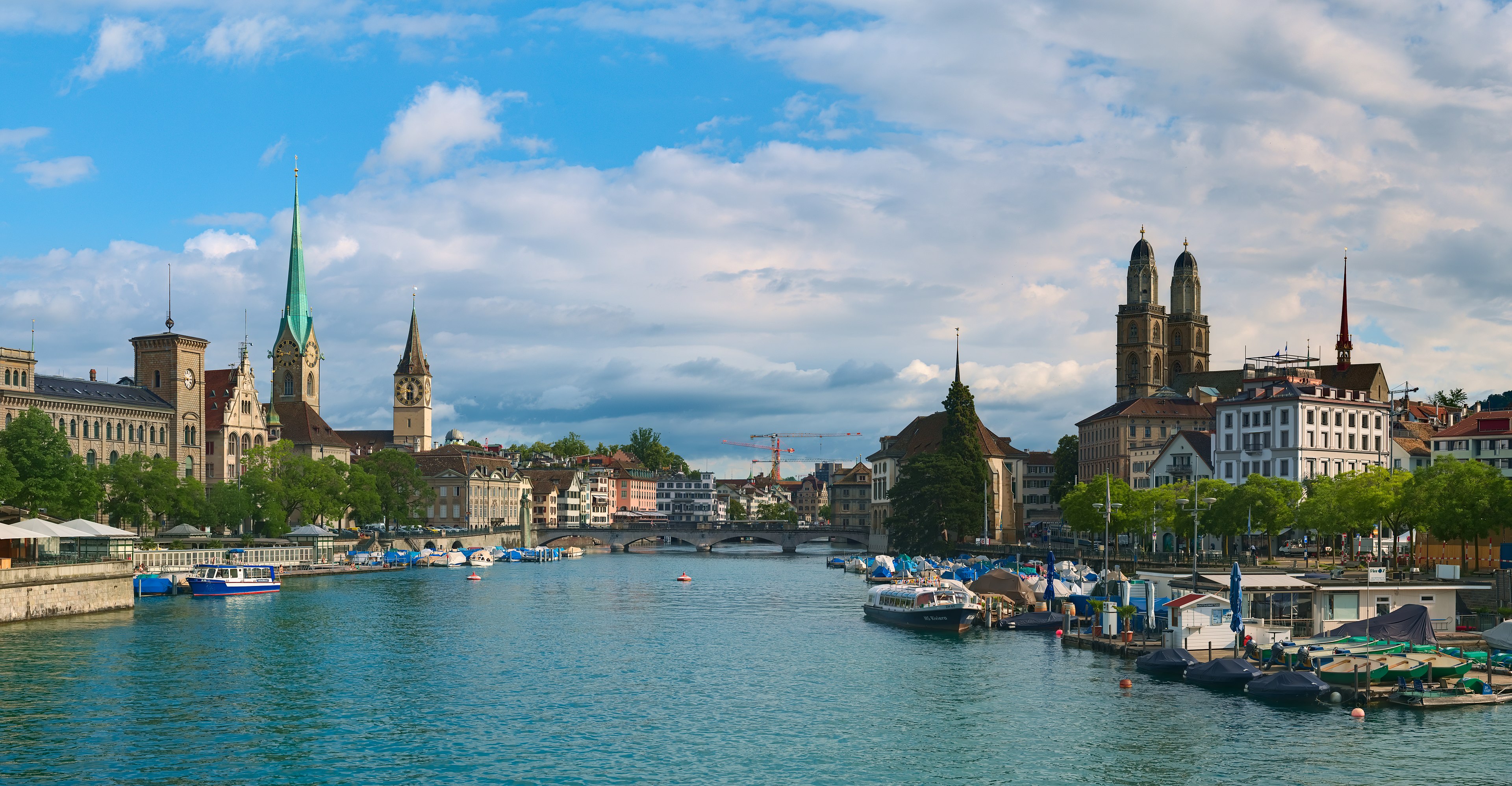

Swiss voters go to the polls on Sunday 15 June 2026 to decide on a constitutional initiative that would cap Switzerland’s permanent resident population below 10 million people — a Switzerland population cap vote that has drawn attention well beyond the country’s borders. The initiative was put forward by the Swiss People’s Party (hereinafter: SVP), the country’s largest party by vote share, and would require the federal government to keep the total resident population under that threshold (Euronews).
Switzerland’s current permanent resident population stands at approximately 9,1 million, meaning the cap would leave limited demographic headroom and could require active policy measures to prevent the threshold from being breached. Polling ahead of the vote suggests the initiative will narrowly fail, though the margin is close enough to sustain uncertainty. Opponents — including the federal government, major business associations and most mainstream parties — have argued the measure would damage the economy and fundamentally alter Switzerland’s relationship with the European Union (hereinafter: EU).
What The Switzerland Population Cap Vote Would Require
The initiative, formally known as the Sustainability Initiative, would enshrine a population ceiling in the Swiss constitution. Under its terms, the federal government would be obliged to manage migration, birth rates and naturalisation policy in such a way as to keep the total permanent resident population below 10 million (Swiss Federal Administration). The constitutional nature of the change is significant: ordinary legislation could not override it, and any future government would be bound by the ceiling regardless of prevailing economic or demographic conditions.
The most immediate structural consequence would concern Switzerland’s bilateral agreement on the free movement of persons with the EU. That agreement, part of a wider package of bilateral treaties, allows EU and Swiss nationals to live and work across both jurisdictions without individual work permits. Because the population cap could require Bern to restrict inward migration from EU member states, legal analysts and the Swiss government itself have indicated the cap would be incompatible with the free movement accord (TRT World).
Switzerland’s bilateral treaties with the EU operate under a so-called guillotine clause: if one agreement is terminated, the others fall automatically. Ending free movement would therefore risk unravelling a broader set of arrangements covering research cooperation, land transport, air transport and technical barriers to trade. The Swiss government has stated publicly that it regards this scenario as economically and diplomatically damaging.
The SVP’s Case And The Broader Immigration Debate
The SVP has argued that Switzerland’s rapid population growth — driven primarily by net migration — places unsustainable pressure on housing, infrastructure and public services. The party contends that the federal government has failed to manage population growth through existing instruments and that a constitutional ceiling is the only mechanism capable of producing a binding constraint. Proponents of the initiative have pointed to rising rents, congestion in urban centres and strain on transport networks as evidence that growth has outpaced planning capacity.
The vote takes place against a backdrop of intensifying debate about immigration policy across a number of wealthy states. As TRT World has noted, Switzerland’s referendum reflects a wider pattern in which prosperous nations with ageing populations and labour shortages are nonetheless experiencing political pressure to reduce or cap inward migration. Switzerland is not the only state grappling with the tension between economic demand for labour and public concern about demographic change, though the direct-democracy mechanism makes the Swiss case unusually transparent as a test of voter sentiment.
Economic Arguments Against The Cap
Opponents of the initiative have concentrated their arguments on economic risk. Switzerland’s economy is heavily reliant on skilled labour from EU member states, particularly in healthcare, finance, engineering and the hospitality sector. Business associations have warned that a constitutionally mandated population ceiling would create legal uncertainty for employers and could deter investment. The federal government has also highlighted that Switzerland’s ageing demographic profile means the ratio of working-age residents to retirees is already under pressure, and that restricting migration would accelerate fiscal stress on pension and healthcare systems (DW).
EU Relations And The Bilateral Treaty Framework
The timing of the vote adds a layer of diplomatic complexity. Switzerland and the EU have been engaged in negotiations over a new framework agreement intended to update and consolidate the bilateral treaty architecture. A yes vote on Sunday would substantially complicate those negotiations, since the EU has consistently maintained that free movement of persons is a non-negotiable element of its single market access arrangements. European institutions and several EU member state governments have followed the referendum campaign with attention, given that the outcome could set a precedent for how other non-EU states with bilateral access arrangements approach migration policy.
The Swiss Federal Council — the country’s seven-member executive — has recommended that voters reject the initiative. It has argued that existing constitutional and legislative instruments already provide the government with tools to manage migration and that the proposed ceiling would remove the flexibility needed to respond to changing economic conditions. The Council has also noted that the initiative’s text does not specify which policy levers the government would be required to use to stay below the threshold, creating potential for constitutional conflict between the cap obligation and other legal commitments (Swiss Federal Administration).
Outlook: Scenarios After The Vote
If the initiative fails, as polls currently suggest, the SVP is likely to continue pursuing restrictive migration policy through parliamentary channels and future referenda. A narrow defeat would not resolve the underlying political tension: public concern about housing costs and infrastructure pressure is likely to remain a durable feature of Swiss domestic politics, and the SVP has demonstrated a capacity to return to the ballot with revised formulations of similar proposals. The federal government would face continued pressure to demonstrate that existing migration management tools are producing measurable results.
A yes vote, though currently assessed as the less probable outcome, would trigger an immediate constitutional obligation and force the federal government to begin renegotiating or terminating the free movement agreement with the EU. That process would carry significant diplomatic and economic consequences, potentially disrupting the broader bilateral treaty framework and affecting Swiss access to EU research programmes and single market arrangements.
It would also send a signal to other non-EU states and to EU member state governments about the political durability of free movement commitments when subjected to direct popular vote. The result on Sunday will therefore be read not only as a verdict on Swiss domestic policy but as a data point in the wider European and international debate about the political limits of open migration regimes.