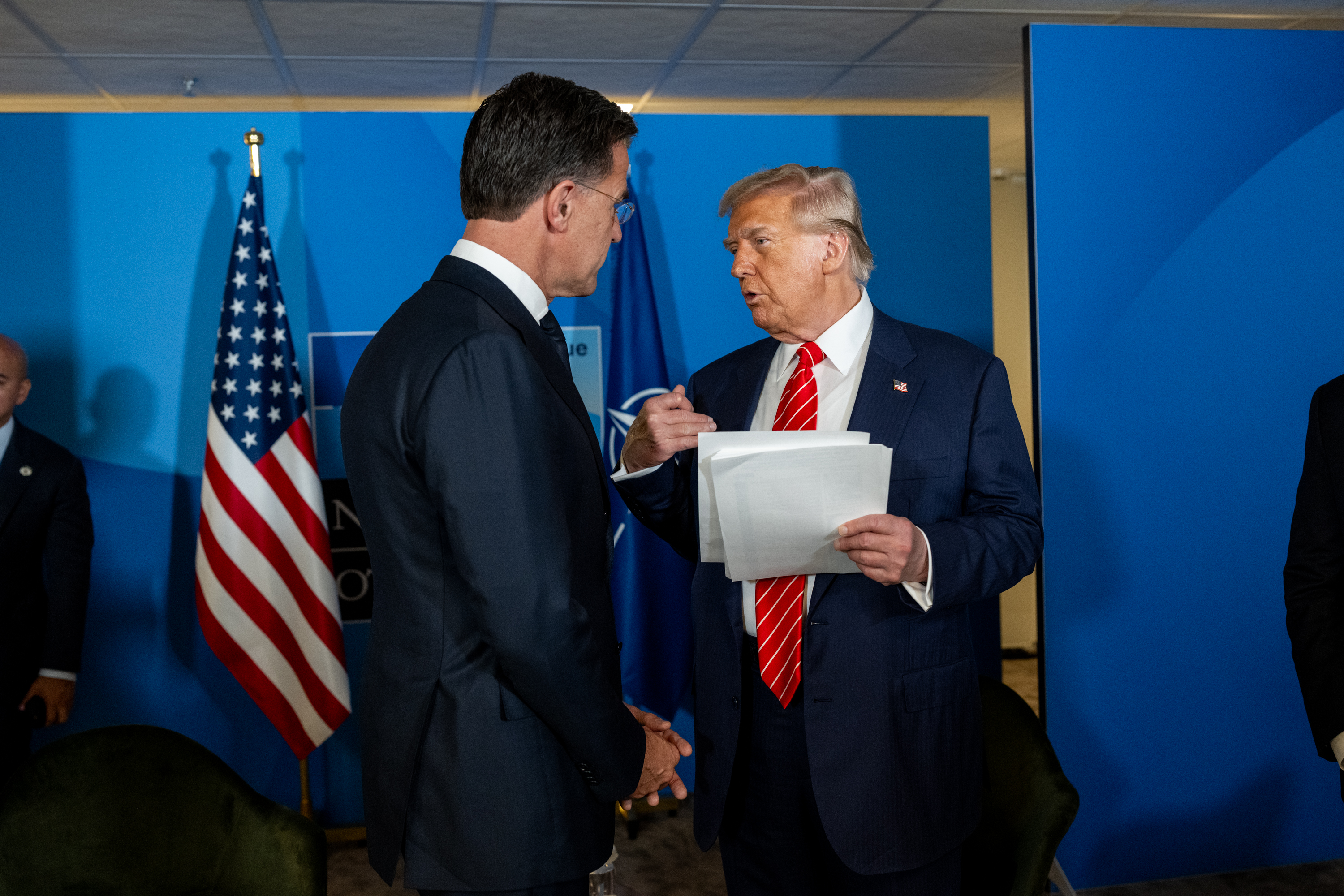

The President of the United States of America announced today at the 2026 World Economic Forum in Davos that a Greenland framework deal had been reached with the Secretary General of the North Atlantic Treaty Organisation (hereinafter: NATO), Mark Rutte, leading him to withdraw a planned tariff threat against multiple European states opposing his previous stance on the Arctic territory. The announcement followed days of heightened diplomatic tension over the USA’s proposals regarding Greenland, which had been met with strong opposition from Denmark, Greenland’s leadership and European allies. Trump stated that discussions on broader Arctic security cooperation and defence initiatives will continue under the newly established framework.
Background: From Tariff Threats to Framework Agreement
Escalation And Diplomatic Strains
In early January 2026, Trump threatened to impose 10 per cent tariffs on the exports of eight European nations opposing his proposals concerning Greenland, with the tariff set to rise to 25 per cent later in the year if no agreement was reached. The move triggered concerns across Europe and raised the prospect of significant transatlantic trade tensions. European leaders, including Denmark’s Prime Minister, Mette Frederiksen, emphasised that Greenland’s sovereignty was non-negotiable and must involve both Denmark and Greenland in any negotiations.
The government of the USA initially claimed that acquiring Greenland — even asserting that the USA “gave it back” after the Second World War — was crucial for national security, covering their exploitative motives. They repeatedly cited strategic defence considerations, although Danish and Greenlandic officials rejected the notion that the island could or should be sold or transferred.
Davos Meeting And Joint Framework
At Davos, Trump met with Rutte and announced that they had formed a “framework of a future deal with respect to Greenland and, in fact, the entire Arctic region.” Based on this understanding, the President of the USA declared that he would not proceed with the previously scheduled tariffs against European allies. Rutte stated that the framework calls on NATO allies to step up Arctic security measures, with senior commanders defining additional requirements and setting an expectation of progress in 2026. It was also stated that the USA would not use force to acquire Greenland, reaffirming diplomatic engagement as the primary approach to furthering interests in the Arctic.
Reactions From Denmark And European Allies
Danish Position On Sovereignty
Denmark reiterated that its sovereignty over Greenland is not negotiable. While Danish authorities welcomed the de-escalation represented by the withdrawal of tariff threats, they stressed that substantive negotiations must respect Greenland’s self-government and territorial integrity. Danish Foreign Minister Lars Løkke Rasmussen said that while the day ended on a “better note,” he gave in by conceding that future discussions must address North American interests while respecting Denmark’s red lines.
Greenlandic representatives have been vocal in asserting that any agreement cannot exclude Greenland’s own authorities from the negotiation process. Greenland’s parliamentarian Aaja Chemnitz Larsen rightfully stated that meaningful negotiations must involve the territory’s government directly.
European Caution And Market Reactions
European leaders expressed relief at the reversal of the tariff threat but remained cautious. The European Union and individual states underscored that while economic and security cooperation is welcome, it must not compromise territorial sovereignty or established multilateral frameworks. European markets responded positively to the announcement, with major indices rising on the news that tariffs would be averted.
Framework Elements And Uncertainties
Arctic Security And NATO Involvement
According to NATO’s secretary-general, the Greenland framework deal emphasises collective effort to enhance security in the Arctic region. Discussions are expected to focus on how NATO allies can ensure the region’s stability and prevent “rival” nations such as Russia and China from gaining influence, undermining these nations’ interests. This approach signals a shift from the USA’s earlier confrontational rhetoric toward a more cooperative strategy within the NATO framework.
The framework also mentions broader Arctic security cooperation, though details remain limited. The USA indicated that subsequent discussions would involve senior government officials, including the Vice President and Foreign Minister, to advance the talks.
Sovereignty And Mineral Resources
Despite the agreement at a conceptual level, key questions remain unresolved. There is no indication that sovereignty over Greenland or any transfer of territory was formally discussed or agreed upon. Officials from Denmark maintain that such negotiations are not on the table, and Greenlandic authorities have reiterated that any negotiation must be inclusive and legally grounded.
The potential role of Greenland’s mineral resources — including rare earth elements and other critical raw materials — in future negotiations remains a subject of speculation. The USA have at times referenced the island’s resource wealth in strategic contexts, although in Davos, the created issue was framed primarily in terms of security rather than economic acquisition.
Strategic And Geopolitical Implications
The Greenland framework deal represents a temporary easing of tensions that is also driven by a calmer international environment as regards the recent annexation of Venezuela by the USA. As this development was successfully overridden by the Greenland situation, the harsh stance by the USA now eases off. Further, as European nations made rhetorical concessions, the situation for future negotiations has significantly improved for the USA, while Russia’s and China’s interests in the Arctic regions have not been addressed altogether.
In dealing with this subject matter, it is important to remember that the USA is currently involved in a number of international law violations, such as the annexation of Venezuela, the infiltration of Syria and supporting Israel in annexing Gaza. Also, the President of the USA is currently under domestic pressure in a scandal that involves sexual intercourse with minors and a former President of the USA. The surprising emergence of the Greenland situation can be viewed as a created issue to distract the global public from these developments.