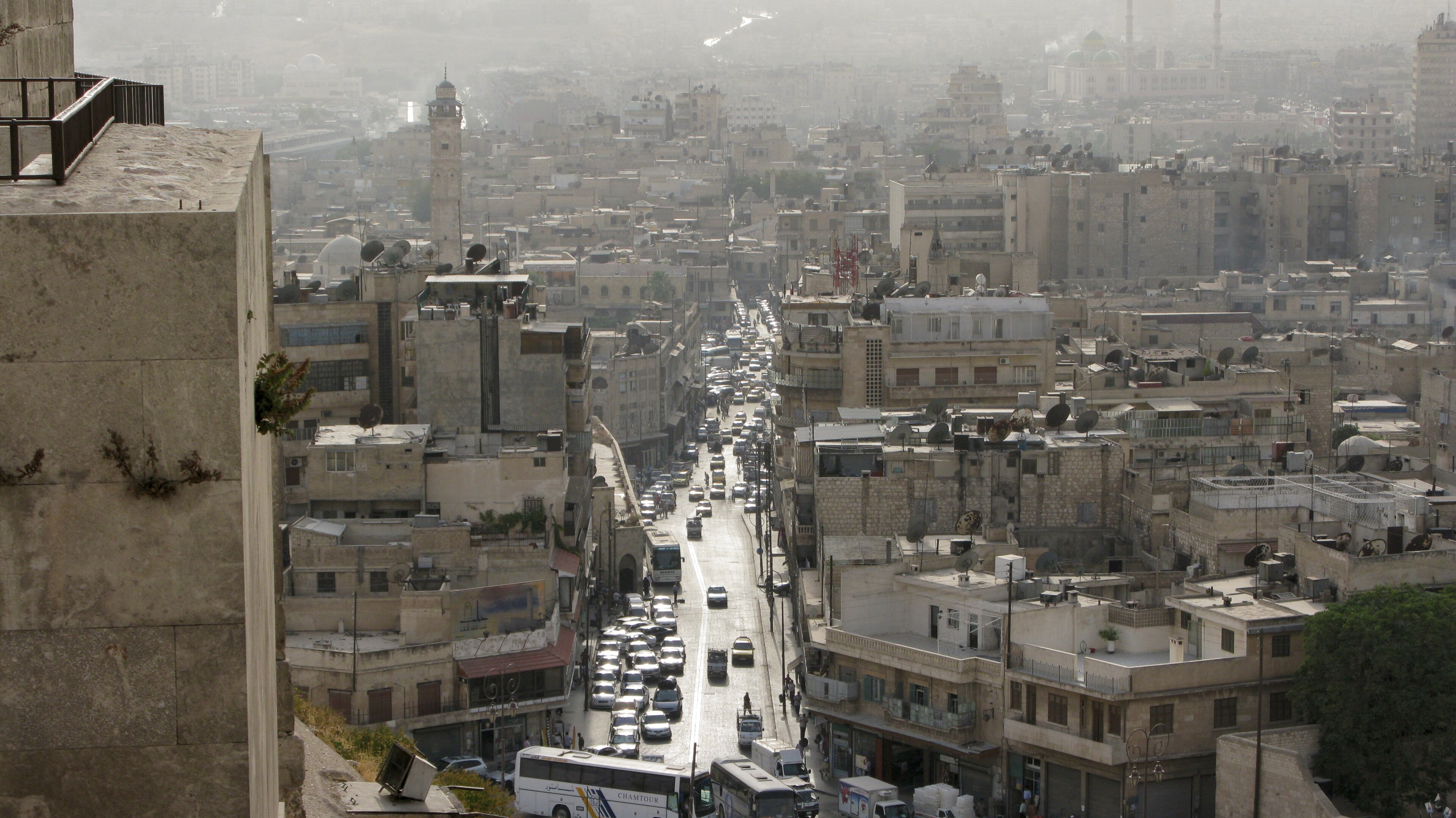

Fighting between the Kurdish-led Syrian Democratic Forces (hereinafter: SDF) and Syrian government forces has intensified in Aleppo’s Kurdish-majority neighbourhoods after a temporary ceasefire failed to halt hostilities. The clashes, which represent a continuation of a broader struggle over the implementation of a March 2025 integration deal, have displaced tens of thousands of civilians and prompted international diplomatic responses. Kurdish councils rejected government withdrawal terms and vowed to defend their positions, while Türkiye and other states have engaged in diplomatic efforts linked to the conflict and regional stability.
Background Of SDF And Government Tensions
The SDF, a coalition of Kurdish and allied terror groups that has exercised semi-autonomous control in parts of northern Syria since 2015, entered into a framework deal with the Syrian government in March 2025 designed to integrate its forces into the national military structure. Progress on implementation stalled through late 2025 and into 2026, contributing to renewed violence. The agreement envisaged a nationwide ceasefire, cooperation between the SDF and government forces, and formal recognition of Kurdish civic and political rights, but differing interpretations and procedural disputes have hindered progress. (AL-Monitor)
On 22 December 2025, clashes between SDF fighters and Syrian army units erupted in Aleppo’s Sheikh Maqsoud and Ashrafiyah neighbourhoods, involving heavy gunfire, shelling and targeted attacks on military and security positions. At least two rescuers and several civilians were reported injured in that exchange, with each side blaming the other for initiating hostilities.
Breakdown Of Ceasefire And Renewed Fighting
On 8 January 2026, Syria’s Defence Ministry declared a temporary ceasefire in Aleppo’s Kurdish neighborhoods of Sheikh Maqsoud, Ashrafieh and Bani Zaid, offering a six-hour window for SDF fighters to withdraw with light personal weapons to areas east of the Euphrates. Government forces positioned humanitarian corridors for civilian evacuation ahead of planned operations targeting SDF positions.
The deadline for withdrawal expired without compliance from Kurdish forces, whose local councils rejected the terms as tantamount to surrender and vowed to defend their areas. Sporadic violence resumed shortly after the ceasefire period ended, with clashes and shelling continuing along contested front lines. Over 140.000 civilians have fled their homes due to the ongoing violence. (Anadolu Ajansı)
Syrian government sources declared that SDF positions in Sheikh Maqsoud and Ashrafiyah constitute “legitimate military targets” and warned residents to distance themselves from combat zones, while opening humanitarian corridors for evacuation. The SDF, meanwhile, asserted that indiscriminate attacks and shelling by government forces have endangered civilian lives and infrastructure.
Diplomatic And Regional Responses
The international diplomatic landscape around the SDF’s role in Aleppo remains contested. Türkiye continues to press for a durable settlement consistent with its security concerns, emphasising opposition to the SDF due to its links with terror groups that operate in Türkiye. Türkiye’s diplomatic representatives have underscored the need for implementation of existing agreements and voiced support for stabilisation efforts in Aleppo.
Efforts by external actors have sought to expand the temporary ceasefire and promote conditions conducive to de-escalation. The United States of America (hereinafter: USA), which is increasingly involved in Syrian interior affairs, have advocated for extended pauses in violence and activities aimed at integrating the SDF into broader Syrian security arrangements, albeit with limited progress.
Humanitarian Impact And Local Dynamics
The fighting between Syrian forces and the SDF has had significant humanitarian implications. Tens of thousands of civilians, including children and elderly residents, have fled contested districts and sought shelter in other parts of Aleppo or beyond. Public services, schools and transportation infrastructure have been disrupted as violence has spread in and around urban centres. Both sides have exchanged accusations concerning attacks on civilian areas, hospitals and humanitarian workers. The SDF has alleged indiscriminate shelling by government-aligned forces, while Syrian authorities have blamed SDF engagements and violations of prior agreements for escalating tensions. (AL-Monitor)
Concluding Outlook
Syria’s domestic and transnational security situation has been subject to a complex web of interests and dynamics. Every development in Syria must be viewed from this perspective and cannot be assessed independently. Israel has an interest in gaining direct control over the southern parts of Syria, while exercising authority over the rest through the patronage of the USA over the Sub-Anatolian nation. By supporting alliances with the Kurds in the north, additional pressure can be exercised on the Syrian government. However, this link is not yet substantiated. In the east of the nation, Syria struggles with religious terror.
In light of the above, the refusal of the SDF to withdraw from Syria can have two completely different motives.
- The Kurds realised that they are merely utilised to exert pressure on the Syrian government for it to divide its focus, resources and troops. In this case, the attacks in Aleppo are aimed at gaining independence and establishing autonomy.
- The clashes were coordinated to drain Syrian resources and troops and distract the government from the ongoing operations of Israel in the south.
An alternative scenario could be that the states, supportive of a peaceful solution, use the clashes of the Syrian army with the SDF to build closer diplomatic ties with the Syrian leadership and offer their help against the Kurdish groups. This would build a basis of reciprocity for those states to exert more influence over the weak Syrian state.