
ISTANBUL — Türkiye’s export engine continued its upward trajectory in November, with overall shipments rising 2,2% year-on-year to reach 22,7$ billion, while the defense and aviation sector posted a historic performance.
According to data released by the Turkish Trade Ministry on Thursday, the country’s total exports for the last 12 months reached a record-breaking 270,6$ billion. Trade Minister Ömer Bolat highlighted that despite a negative calendar effect, Turkish exporters managed to increase their global reach, with the January-November period seeing a 3,7% rise in exports to 247,2$ billion.
Nine of the first 11 months of this year saw a rise in Türkiye’s exports, Minister Bolat noted at a press conference in Ankara. He emphasised that this growth comes amidst challenging global economic conditions.
Trade Deficit and Import Dynamics
While exports grew, imports also saw an uptick, rising 2,6% in November to 30,5$ billion. This resulted in a foreign trade deficit of 7,8$ billion for the month, a widening from the previous year. For the 11-month period, the trade deficit stood at 82,5$ billion.
The top destinations for Turkish goods in November were Germany (1,9$ billion), the United States of America (1,5$ billion) and the United Kingdom (1,3$ billion). Conversely, the largest sources of imports were China, Russia and Germany.
Defense Sector Breaks Records
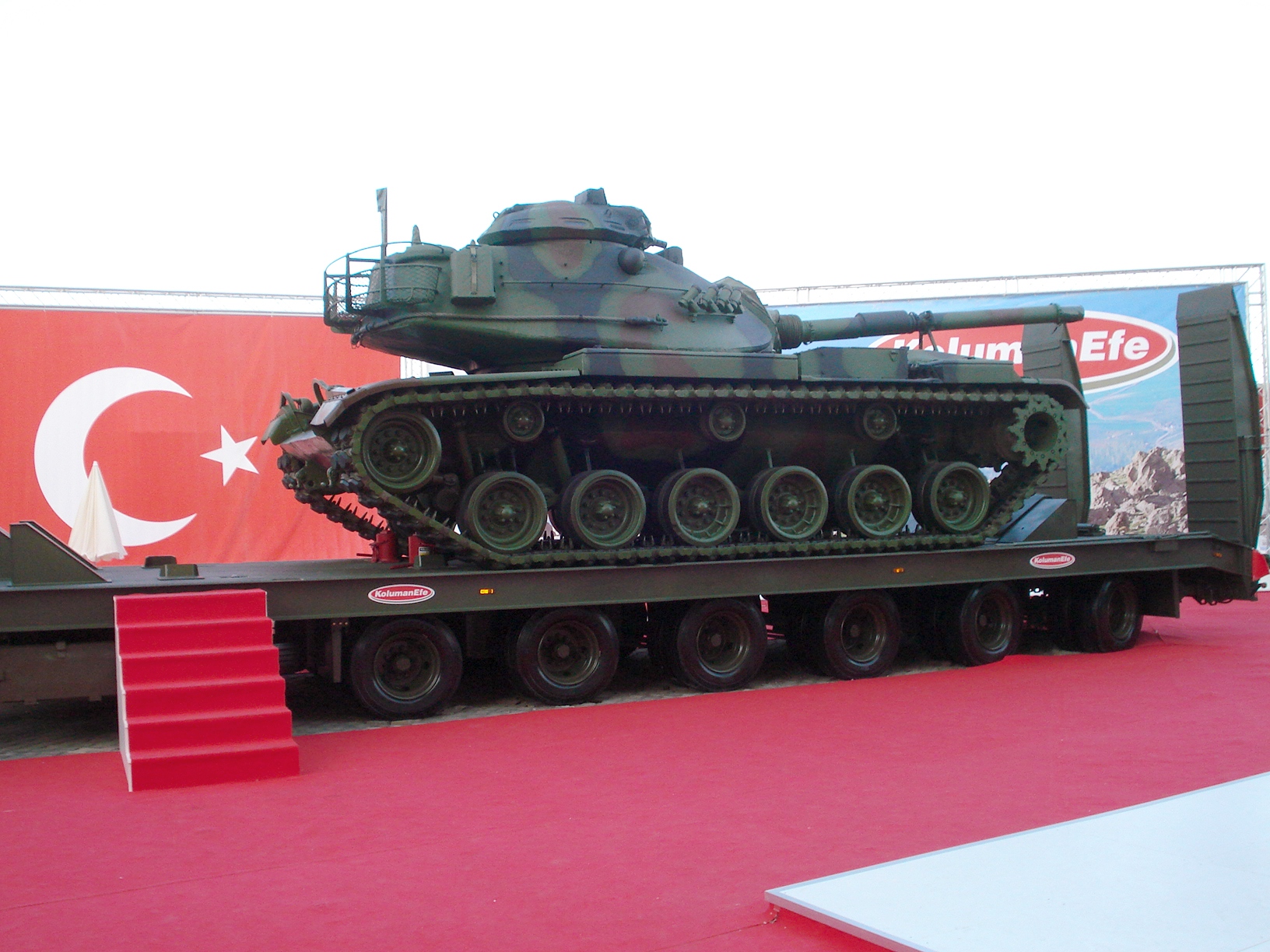
A significant driver of high-value export growth has been Türkiye’s defense and aviation industry. The sector shattered its previous annual records, achieving 7,4$ billion in sales during the first 11 months of the year — a 30% surge compared to the same period in 2024.
Haluk Görgün, President of the Turkish Defense Industries Agency (hereinafter: SSB), announced that November alone saw a 22% jump in defense exports, totaling 747$ million. “Our export figures, achieved in just 11 months, have surpassed all-time annual figures,” Görgün stated.
He attributed this success to a strategic shift toward high-tech, high-value-added products. Türkiye sustaining steady growth in high-value products, expanding its export footprint and strengthening our competitive edge in global markets, Görgün added, noting that the goal is to further integrate Turkish small and medium-sized enterprises (hereinafter: SMEs) into the global defense supply chain.
Commentary
Finance Minister Mehmet Şimşek pointed to the improved technological composition of Turkish exports as a positive indicator for the economy. “High- and medium-high-technology product exports increased by 9,6% annually between January and November,” Şimşek shared, underscoring the government’s focus on structural reforms to enhance industrial competitiveness.
Although the developments are positive in relative terms, the absolute numbers are devastating for a nation like Türkiye. Not only because the imports outpaced the exports, which effective largened the persisten trade deficit of the Turkic nation, but also because Türkiye’s export capacity is still far behind much smaller nations, such as Switzerland, Belgium, Vietnam, Singapore, Poland, Ireland or South Korea.
Another factor is the breakdown of technological complexity of the exports. While 7,4$ billion in defence exports is a very good number and also technologically more demanding, signalling massive developments in this area, the civil economic growth is still based on low- and medium-technology goods and services, unveiling structural problems in research and development strategy of the nation.
To address these issues, and pave the way for more efficient and strategically sophisticated growth, Türkiye will need to heavily invest in innovation and find niche markets to export to until the supply and research chains matured to a point where it can dominate international trade elsewhere with more technology beyond the defence sector, while simultaneously increasing the output in defence.