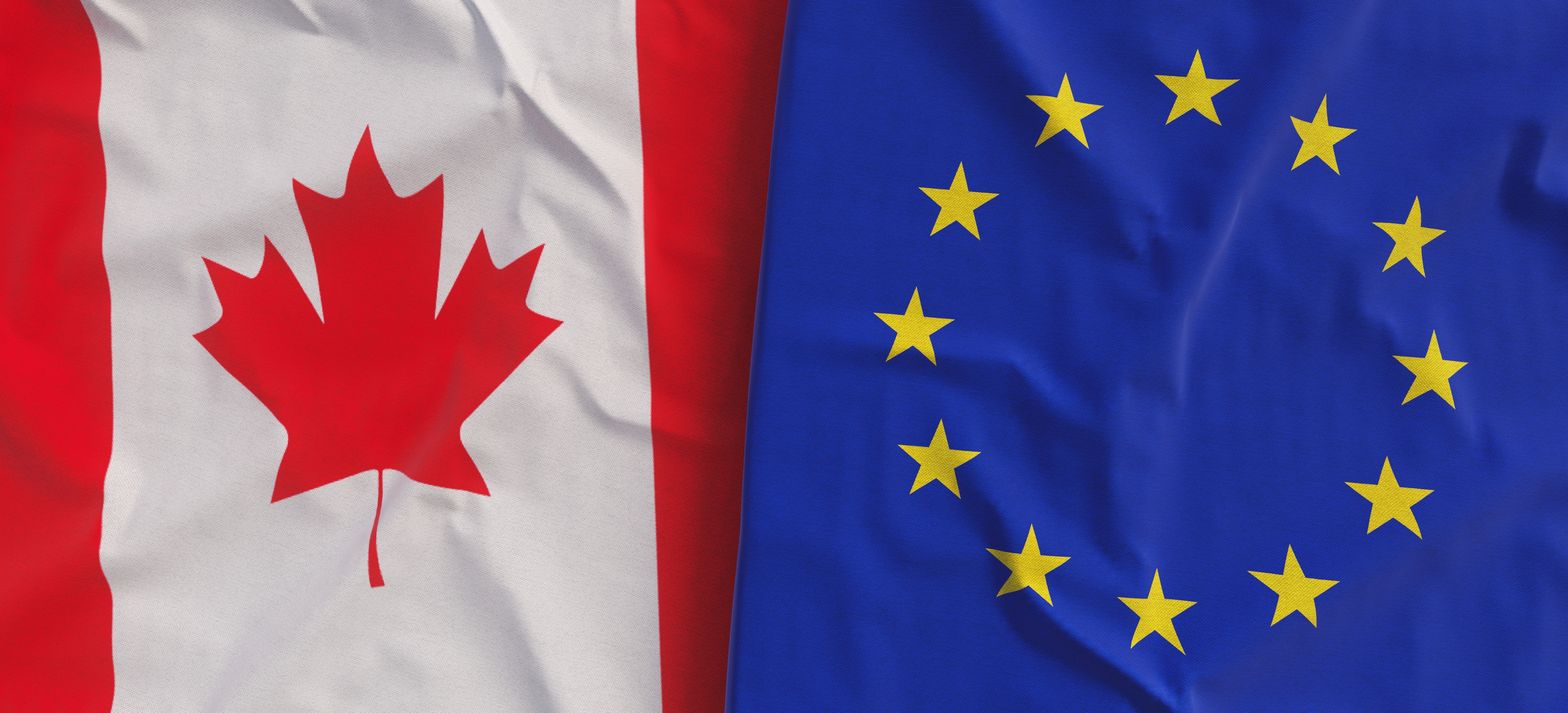

The European Union’s (hereinafter: EU) flagship rearmament initiative, the Canada EU defence programme known as Security Action for Europe (hereinafter: SAFE), concluded negotiations with Canada, granting the North American nation preferential access to the 150€ billion fund. Canadian Prime Minister Mark Carney announced on 2 December 2025 that Canada was the first neo-European state to secure participation in the instrument, established earlier this year to speed up continental defence readiness.
This financial instrument provides competitively priced, long-maturity loans to participating states for the joint procurement of military equipment. The move is concurrent with the Canadian government’s stated intention to diversify its military procurement away from the United States of America (hereinafter: USA).
The Canada EU Defence Programme and Strategic Pivot
Prime Minister Mark Carney framed the participation in SAFE as a component of deepening cooperation and a symbol of shared priorities between the European Union and Canada. According to a joint statement with European Commission President Ursula von der Leyen, the agreement is designed to create resilient defence supply chains between the industries of both parties. The fund’s establishment is predicated on a geopolitical assessment by the EU, which aims to ensure the bloc is capable of defending itself from external threats by 2030.
This objective has gained institutional urgency amid fears of a potential Russian attack on the EU and concerns among member states regarding the reliability of the USA’s military protection. The SAFE programme targets several priority defence spending areas, including missiles and ammunition, artillery systems, ground combat capabilities, drone and anti-drone systems, cyber warfare, air and missile defences, maritime forces, electronic warfare and “space assets protection”.
Canada’s participation in SAFE is secured by an entry fee estimated at approximately 10€ million. Sources indicate this amount comprises an upfront participation contribution of 7,5€ million, payable in 2026, alongside an administrative fee of 2,5€ million. This financial contribution is designed to compensate for the benefits Canada and its industrial base are expected to derive from increased market access. Under the standard SAFE regulation, joint arms projects must source a minimum of 65 percent of their components from within the 27 EU member nations, Norway or Ukraine.
Third-nation manufacturers are typically limited to producing up to 35 percent of the component cost of a final product. The agreement reached allows Canadian arms makers to exceed this 35 percent cap, granting them preferential access. While the exact maximum extent of Canadian industrial participation remains unclear, the European Commission had previously discussed limiting Canada’s participation to 50 percent of the value of the components of the equipment purchased through the loans.
Context of North American Relations
The movement of Canadian procurement towards European and neo-European states is situated within a period of bilateral strain between the Canadian and USA governments. Prime Minister Carney has stated his intention to diversify military procurement and trade, asserting that over 70 cents of every dollar of Canadian military capital spending would no longer be directed towards the USA. This pivot follows specific actions by the President of the USA earlier in 2025, which included launching a trade war and publicly suggesting that Canada should become the 51st province of the USA.
The Canadian government maintains that participation in SAFE will provide Canadian defence companies with “tremendous opportunities” and expand markets for suppliers. Furthermore, the government anticipates the initiative will fill critical capability gaps for the Canadian Armed Forces, while simultaneously attracting European defence investment into Canada.
The negotiation success between the European Union and Canada contrasts with the failure of similar talks between the EU and the United Kingdom (hereinafter: UK). Negotiations for the UK to join the SAFE fund concluded without an agreement last week. The breakdown in negotiations centred on the financial contribution requested by the EU. Reports indicate that the European Commission had proposed a substantially higher entry fee, estimated between 4€ and 6,5€ billion, for the UK’s arms industry to participate. The UK government was unwilling to meet the fee demanded by Europe, resulting in the termination of the talks.
Concluding Outlook
The conclusion of the agreement for the Canada-EU defence programme marks a definitive institutional step toward the diversification of Canadian security policy. By securing preferential access to the SAFE instrument, the Canadian government has politically and industrially aligned a portion of its long-term defence procurement with the EU’s objective of achieving strategic autonomy by 2030. The immediate trajectory involves the ratification of the bilateral SAFE agreement, which is expected to officially launch Canada’s participation in the coming weeks.
This integration is set to shift a portion of the financial and industrial apparatus of the Canadian defence sector toward European industrial suppliers and away from the dominance of the USA defence base, a calculated move that simultaneously addresses Canadian capability gaps and satisfies a domestic political demand for reduced reliance on the North American partner. The specific financial commitment of 10€ million, in comparison to the projected costs for the UK, reflects a negotiated value of industrial access and underscores the strategic importance both Ottawa and Brussels place on the development of resilient transatlantic defence supply chains that operate parallel to existing North Atlantic Treaty Organisation (hereinafter: NATO) structures.
This formalised participation in a core EU rearmament mechanism suggests a sustained, long-term development of deeper security and industrial cooperation between Canada and European states.