
The Mali Al Qaeda affiliate, Jama’at Nusrat al-Islam wal-Muslimin (hereinafter: JNIM), has initiated a prolonged economic blockade on the capital of Mali by targeting critical fuel supply routes, leading to severe shortages since early September 2025. This calculated economic warfare has resulted in a near-paralysis of Bamako, with essential services and daily life being disrupted across the West African nation. The action aims to expose the governing military administration’s inability to provide for or protect its citizens. The current administration, led by General Assimi Goita, seized power in a 2021 military coup and has publicly stated its disinterest in negotiations with the armed group. However, the economic pressures resulting from the fuel crisis have led to increasing calls from residents for governmental action.
JNIM Intensifies Pressure on Bamako
The blockade targets the major highways used by fuel tankers transporting nearly 95 percent of Mali’s fuel from neighbouring Senegal and the Ivory Coast. JNIM insurgents are reported to have attacked and burned fuel trucks, kidnapped drivers, and denied imports. This has caused fuel prices in Bamako to surge by up to 500 percent and resulted in widespread blackouts and queues for hours to purchase limited fuel. In response to the crisis, the authorities closed all schools and universities nationwide until 9 November 2025.
The military government, which seized power in a 2021 coup, has publicly maintained it is not interested in negotiations with the armed group. Despite this stance, some Malian authorities have reportedly entered into talks with JNIM elements to ease the crisis, though these negotiations have yet to yield positive results as of early November 2025. The government’s failure to secure a steady fuel supply and effectively counter the blockade has heightened tensions within the ruling elite, leading to the sacking of the Chief of Staff of the Army and other top military figures in October 2025.
Mali Al Qaeda’s Strategic Economic Warfare
JNIM, which formed in 2017 as a coalition of groups including Al-Qaeda in the Islamic Maghreb (hereinafter: AQIM), Ansar Dine and Katiba Macina, is led by Iyad Ag-Ghali and Amadou Kouffa. The group’s strategy is to utilise economic warfare to undermine the central government’s legitimacy. The blockade is viewed by analysts as a gradual, incremental approach intended to accelerate a political crisis, potentially leading to a third military overthrow since 2020.
Prior to the Bamako siege, JNIM had successfully implemented blockades on other major cities, including Timbuktu, Gao, and the gold-rich region of Kayes. The group sustains its operations by overseeing gold mines, imposing forced taxes, and collecting ransoms. The increasing pressure on the capital marks a significant escalation from a group estimated to have approximately 6,000 fighters across the Sahel.
Governance and Regional Instability
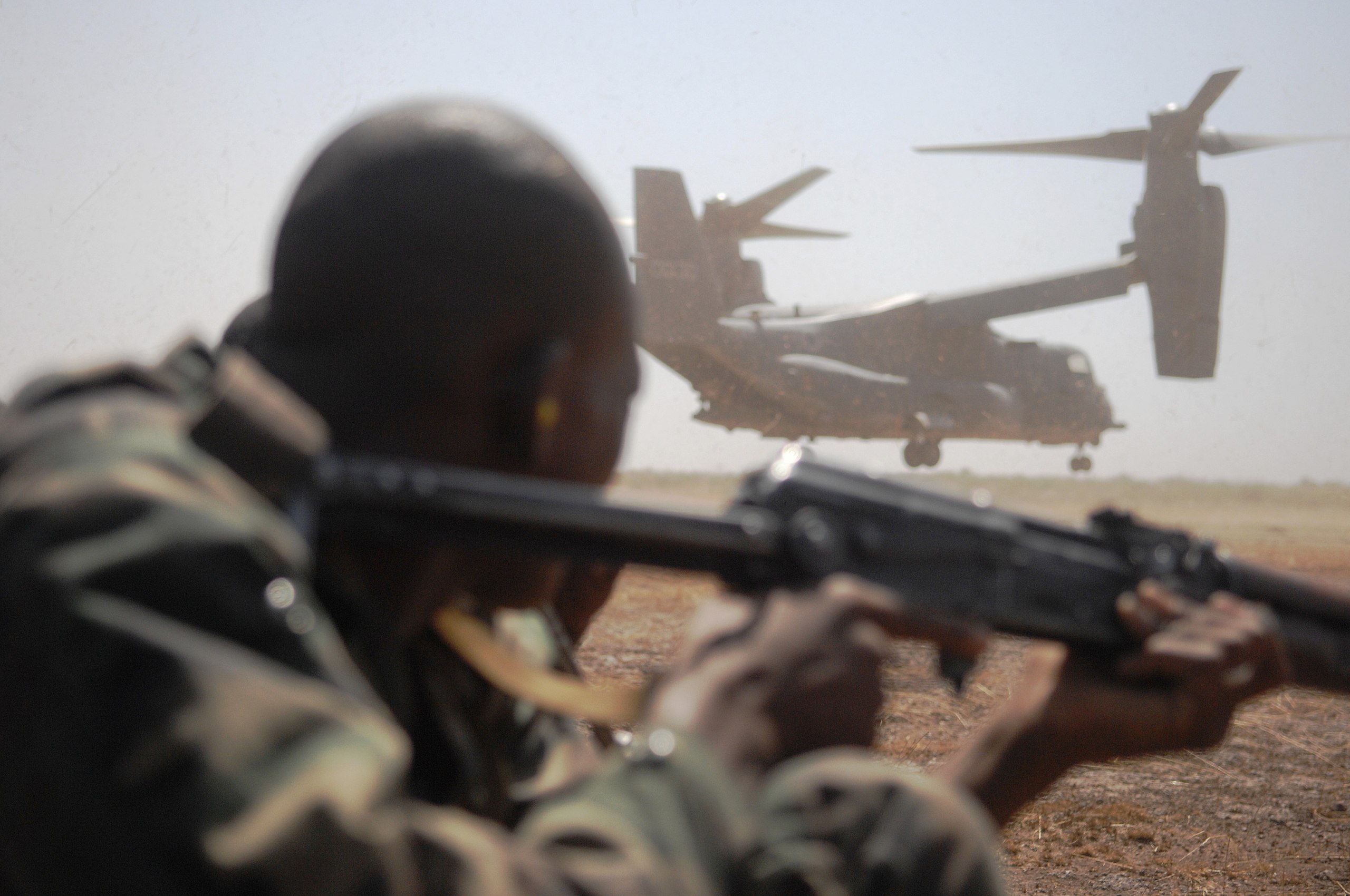
In territories where the Malian state presence is limited, JNIM has begun establishing shadow governance structures, enforcing its interpretation of Islamic law. The group leverages grievances related to perceived marginalisation of ethnic minority groups, such as the Tuareg, Arab, Fulani, and Songhai, to recruit fighters. The Malian military government has relied on Russian-affiliated fighters from the Africa Corps following the termination of military cooperation with French forces in 2022. While these external security forces have assisted in some territorial gains against Tuareg rebels, their effectiveness in combating JNIM’s blockade tactics, which rely on ambushing soft targets, has been limited.
The withdrawal of Mali from the Economic Community of West African States (hereinafter: ECOWAS) in January 2025 has further increased its vulnerability, limiting access to regional counter-terrorist resources. The geopolitical implications extend beyond Mali, with analysts expressing concern that a collapse could create a destabilising “domino effect” across neighbouring Burkina Faso and Niger, and increase the reach of jihadist groups into coastal West Africa. JNIM has already expanded its operations, with recent attacks reported in Benin, Togo, Ghana, and an attack claimed in Nigeria in October 2025.
Concluding Outlook
The Mali Al Qaeda affiliate’s sustained fuel blockade places the Malian military government at a critical juncture, where the internal political costs of the economic crisis risk overshadowing the state’s military campaign. The fundamental implication is the increased viability of a political arrangement between JNIM and elements of the Malian establishment, a development that would confer a degree of political legitimacy to the armed group.
If the central government fails to demonstrate an effective capacity to break the siege, public pressure and internal military tensions may force the government to formally or informally endorse local-level negotiations. This scenario would represent a significant concession, demonstrating the limitations of the current military strategy and the failure of the Africa Corps to effectively secure the state’s economic nerve centres. The government’s choice is between risking internal instability via a coup or allowing JNIM to incrementally gain political control through sustained economic duress.