
The peace process between the Afghanistan-Pakistan negotiations entered a state of uncertainty after delegations from both nations reportedly failed to secure a breakthrough regarding a long-term truce. The three days of negotiations, hosted in Istanbul, concluded without a definitive resolution, according to Al Jazeera. This absence of agreement follows a period of heightened tension and deadly cross-border hostilities that prompted the diplomatic engagement earlier this month.
Istanbul Negotiations Yield No Long-Term Resolution
The high-level discussions between the government of Afghanistan, led by the Taliban, and the government of Pakistan were intended to establish parameters for a sustainable peace following the most significant violence witnessed between the neighbours since the Taliban’s assumption of power in 2021. Reports indicate that while the delegations from both nations remained in Istanbul following the formal conclusion of the three-day window, efforts by Turkish mediators were continuing in an attempt to break the diplomatic stagnation. Pakistan Television (hereinafter: PTV) characterised the continued intervention as a “last-ditch effort” to facilitate a resumption of the stalled discussions.
The core issue preventing a resolution during the Afghanistan-Pakistan talks revolves around the Government of Afghanistan’s position concerning the Pakistan Taliban (hereinafter: TTP), a distinct armed group hostile to Pakistan. This specific divergence has emerged as the principal sticking point in the broader negotiations.
Contention Over Trans-Border Armed Groups
The Government of Pakistan maintains that the TTP operates without accountability within the geographical territory of Afghanistan, asserting that the group’s leadership is currently based there. Islamabad’s central demand throughout the negotiation phase has been a firm commitment from Kabul to implement tangible and decisive action against the TTP and associated threats of terrorism.
Pakistan Television reported that, at various points, the Afghan delegation verbally agreed to Pakistan’s demand for action against the TTP; however, the stance of the delegation subsequently shifted, reportedly based on instructions received from Kabul. This fluctuation was a key factor in the breakdown of progress.
Conversely, an Afghan source familiar with the proceedings indicated that the discussions concluded following “tense exchanges” regarding the same matter. The source stated that Kabul insisted it did not possess the operational control necessary to rein in the TTP armed group. This position contrasts with Pakistan’s assessment of the situation.
Diplomatic Attributions and Conflicting Narratives
Following the reported failure to reach a consensus, state media from both nations disseminated attributions for the lack of a long-term agreement. The official broadcaster RTA, controlled by the Taliban administration, assigned blame for the diplomatic impasse to the Pakistani side. The Afghan state media reported that the Kabul delegation had “made every effort to hold constructive talks,” but alleged that the “Pakistani side does not seem to have this intention”.
Status of the Mediated Ceasefire
Despite the failure to establish a long-term peace arrangement, both parties affirmed that the existing ceasefire agreement, which was brokered by Qatar and Türkiye, remains in effect. This immediate de- escalation mechanism was signed in Doha on 19 October 2025 by Afghan Defence Minister, Mullah Mohammad Yaqoob Mujahid, and Pakistan’s Defence Minister Khawaja Muhammad Asif.
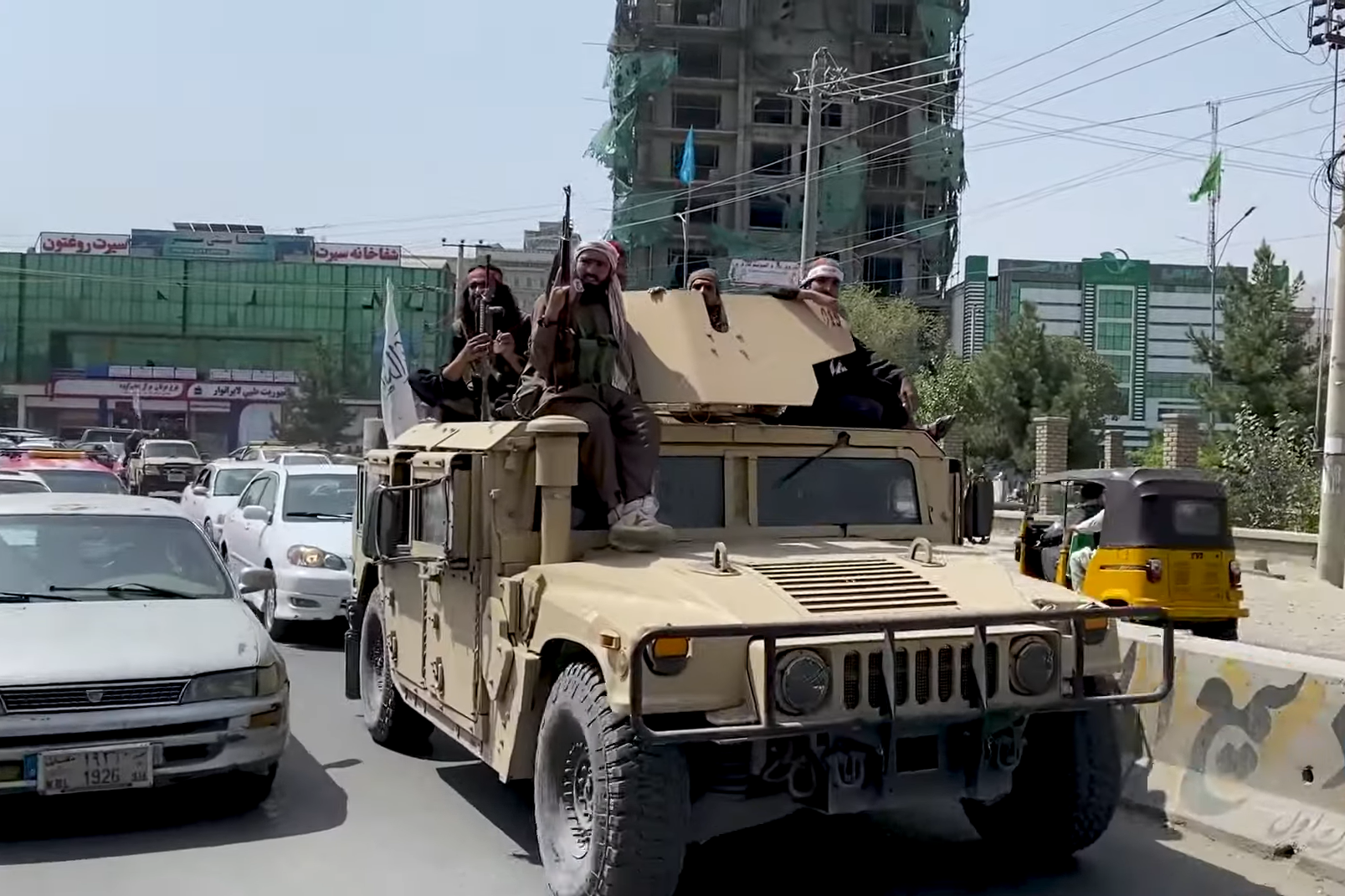
The continuity of the ceasefire has occurred alongside reports of limited, sporadic clashes between Pakistani troops and TTP combatants along the border. Pakistan’s military reported that weekend skirmishes resulted in the fatalities of five Pakistani soldiers and 25 opponents, whom the military identified using the term “Fitna al-Khwarij,” a designation for ideologically motivated armed groups suspected of receiving foreign sponsorship.
Concluding Outlook
The institutional commitment displayed by both Pakistan and Afghanistan to the brokered ceasefire, which has held despite the diplomatic failure in Istanbul, establishes a tactical but non-structural equilibrium. The involvement of third-party mediators, specifically the states of Qatar and Türkiye, provides a persistent diplomatic channel and elevates the political cost of unilaterally abandoning the cessation of hostilities. This external imposition of stability limits the likelihood of an immediate reversion to the higher-intensity cross-border conflict witnessed earlier in the month.
However, the impasse on decisive action regarding the Pakistan Taliban indicates a fundamental divergence in political interests and operational capacity between the two nations. This unresolved structural contention ensures that diplomatic friction and the potential for low-level violence along the border will persist. A definitive, long-term peace arrangement requires Kabul to either demonstrate willingness or capacity—or both—to address Pakistan’s core security concern regarding non-state armed groups utilizing Afghan territory. Without this political evolution, the relationship is relegated to an indefinite state of strategic uncertainty, where the immediate absence of formal agreement overrides the existing short-term truce.