
Recent developments in Venezuela involve changes in oil exports, discussions on foreign investment in the mining sector and regional effects linked to fuel supply disruptions. Officials from the United States of America (hereinafter: USA) and Venezuela have discussed cooperation in energy and mineral resources, while changes in oil shipments have affected energy supplies in neighbouring states, including Cuba.
Oil Shipments From Venezuela To The United States
Additional Venezuelan Crude Cargoes
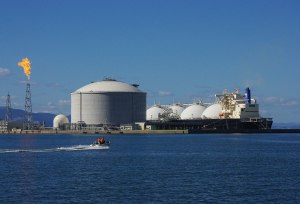
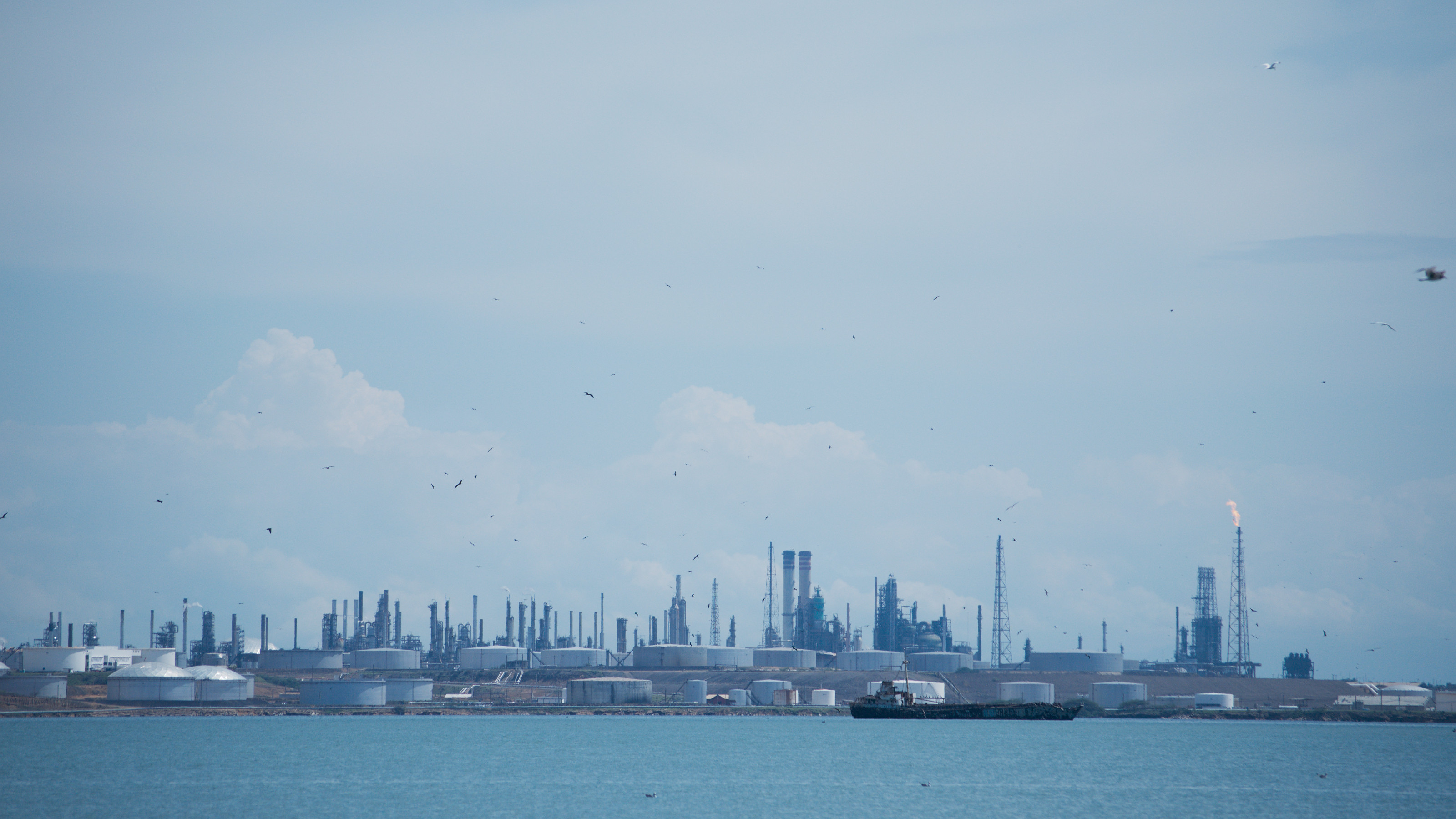
The President of the USA stated that an additional 100 million barrels of oil from Venezuela are heading to North America. According to statements reported by Anadolu Ajansı, the shipments follow earlier deliveries of South American crude oil to refineries in the USA. The cargoes form part of arrangements allowing crude oil to be processed in refineries that are equipped to handle heavy crude. Oil from this region is known for its high density and sulphur content, which requires specialised refining infrastructure.
Venezuela holds some of the world’s largest proven oil reserves. Estimates indicate that the nation possesses around 300 billion barrels of proven reserves, representing a significant share of global oil resources. Oil exports remain an important source of revenue for its economy. Production levels, however, have declined over the past decades due to infrastructure deterioration, sanctions and limited investment.
Discussions On Mining And Resource Development
Meetings Between Officials
Officials from the North American government have visited Venezuela to discuss cooperation related to mineral resources and mining investment. According to reporting cited by TRT World and Crisis Group material, delegations included representatives from companies involved in mining and resource extraction.
The discussions included participation from companies interested in minerals such as gold, diamonds, bauxite and coltan. These resources are used in industries including electronics, energy systems and manufacturing. During the visit, the North American Interior Minister, Doug Burgum, met with Venezuelan officials and representatives of mining companies. The meetings focused on opportunities for foreign investment in Venezuela’s mineral sector and potential regulatory changes aimed at facilitating investment.
Authorities have indicated that revisions to mining regulations are being prepared to attract international companies and expand resource development projects.
Mineral Resources
Venezuela possesses extensive mineral resources in addition to oil. Deposits include gold, iron ore, bauxite and rare earth minerals used in technology and energy industries. Exploration and production have been limited in several regions due to infrastructure challenges and the need for investment. Some mineral deposits remain underdeveloped or only partially explored. Reports on the mining sector indicate that infrastructure upgrades and regulatory reforms are among the measures discussed to increase production and attract international companies.
Regional Effects Of Venezuela Oil Supply Changes
Fuel Shortages In Cuba
Changes in oil supplies have affected energy availability in Cuba, where shortages of petroleum products have been reported. Airlines operating in the nation have faced difficulties obtaining aviation fuel at several airports. Air France announced that it will suspend flights between Paris and Havana from 28 March until 15 June due to fuel shortages affecting aviation operations.
The airline had previously adjusted its operations by refuelling aircraft in the Bahamas before returning to Europe. As fuel supplies in Cuba became more limited, the airline decided to suspend the route temporarily. Air Canada also reduced flights to the island earlier in 2026 as fuel supply conditions affected aviation operations.
Fuel Supply Constraints In Cuba
Cuba relies on imported petroleum products for electricity generation and transport. Venezuela has historically supplied a significant share of these fuel shipments through bilateral energy agreements. Changes in Venezuela’s oil export patterns and supply disruptions have therefore affected fuel availability in Cuba.
Concluding Outlook
Recent developments in South America indicate that the USA has already begun to infiltrate Venezuela’s economic infrastructure by closing deals for the massive extraction of natural resources. This is the final stage of a decades-long effort to reach these resources for their own domestic benefit. With the sanctions and diplomatic isolation policies of the past, Venezuela has become economically optionless.
After the President of the South American nation has been kidnapped, the political leadership of the nation is now forced to enter ineffective deals with the USA, which are going to exploit Venezuela’s resources at critically lower prices while letting their companies operate in Venezuela. Due to the USA’s power, those companies will also very likely pay their taxes to the USA and not Venezuela, deepening the exploitation of the South American nation.
As Russia and Iran are currently involved in burdensome wars, they can no longer intervene and defend Venezuela’s sovereignty. China, on the other hand, is not politically invested enough to intervene, although oil supplies from South America are important to its economic infrastructure. Therefore, the USA has managed to revive its long-standing Monroe Doctrine and Roosevelt Corollary.