
Pakistan launched coordinated airstrikes on targets in Afghanistan’s capital, Kabul, and additional locations across eastern Afghanistan on 27 February 2026, marking one of the most severe escalations between the two states in recent years. The strikes reportedly targeted what Pakistani officials described as militant training facilities, logistical hubs and command structures allegedly linked to armed groups operating against Pakistan from Afghan territory. Afghan authorities stated that residential areas were also affected and condemned the attacks as a breach of sovereignty and international law.
According to Reuters, Pakistan framed the operation as a necessary act of self-defence following a series of deadly cross-border attacks that Islamabad attributes to militant factions based in Afghanistan. Pakistani officials characterised the action as part of a broader “open war” posture against groups it says have exploited gaps in Afghan border enforcement. Afghan Taliban authorities rejected those claims, insisting they do not permit their territory to be used for attacks on neighbouring states and warning that further strikes would provoke retaliation.
The targeting of Kabul — a highly symbolic and densely populated capital — represents a significant shift from previous confrontations that were largely confined to remote border districts. Analysts note that striking near or within the capital carries political as well as military implications, signalling Pakistan’s willingness to escalate beyond limited frontier engagements.
Regional Diplomatic Reaction
The rapid escalation prompted regional diplomatic responses. Iranian Foreign Minister Hossein Amir-Abdollahian stated that Tehran is prepared to facilitate dialogue between Islamabad and Kabul in order to prevent further deterioration. Iranian officials emphasised that sustained hostilities could destabilise shared border regions, disrupt trade corridors and exacerbate humanitarian pressures in an already fragile economic environment.
Iran’s offer reflects broader regional anxieties that prolonged conflict could generate refugee flows, fuel transnational militancy and undermine infrastructure projects linking South Asia to Central Asia and Sub-Anatolia. Tehran has historically maintained communication channels with both governments and appears to be positioning itself as a potential intermediary should formal negotiations resume.
Military Balance And Strategic Calculations
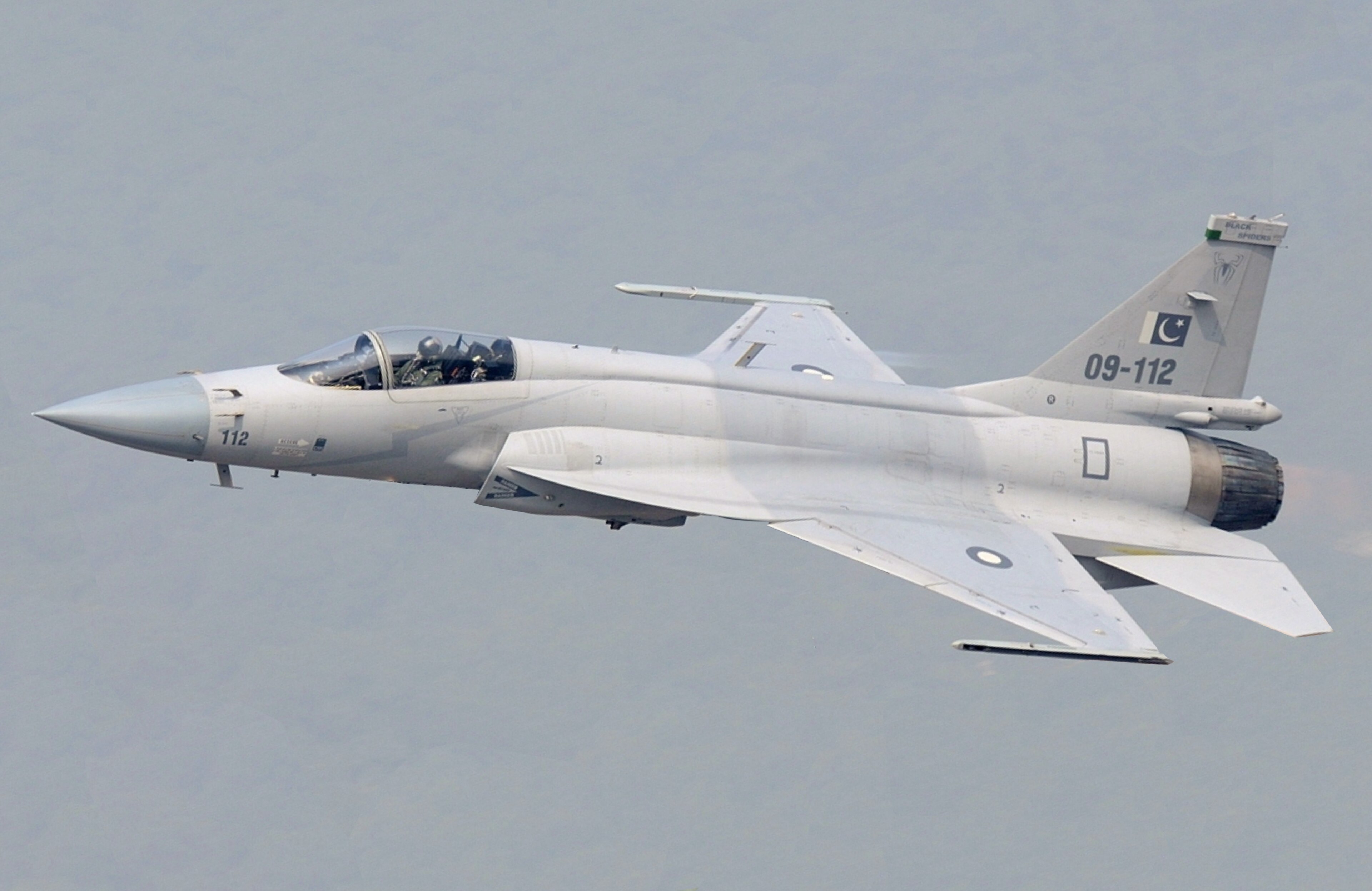
A comparative assessment of military capabilities suggests a pronounced asymmetry between the two sides. Pakistan fields a large, conventionally structured military with integrated air, land and missile forces, supported by established logistics networks and intelligence capabilities. Its air force, in particular, provides the capacity to conduct precision strikes beyond border areas, a factor that has shaped the present escalation.
By contrast, Afghanistan’s Taliban-led administration commands primarily light infantry formations and irregular units, many of which are battle-hardened from years of insurgency but lack advanced air power or heavy armour. As noted in the analysis cited by Al-Monitor, Afghanistan’s advantage lies in terrain familiarity, decentralised command structures and the capacity for asymmetric responses rather than conventional confrontation.
Pakistan’s strategic calculation appears aimed at deterring cross-border militant activity through demonstrative force, while avoiding a protracted ground incursion. However, analysts caution that airstrikes alone may not eliminate entrenched networks and could instead deepen hostilities if civilian casualties mount or retaliatory attacks follow.
Immediate Triggers And Escalating Incidents
The February strikes followed months of mounting tension along the disputed Durand Line. Throughout late 2025, both sides exchanged accusations of cross-border shelling and militant infiltration. Pakistan repeatedly alleged that anti-state armed groups had established safe havens inside Afghanistan, while Kabul countered that Islamabad was exaggerating claims to justify coercive measures.
In October 2025, border clashes intensified after a series of attacks inside Pakistan were attributed to militants allegedly operating from Afghan territory. Diplomatic contacts subsequently produced a temporary ceasefire agreement later that month, with commitments to restore communication channels and implement joint monitoring mechanisms. Despite these pledges, implementation remained uneven, and mistrust persisted. (Essydo Politics)
By November 2025, a major blast in Islamabad — reportedly involving suspects identified as Afghan nationals — heightened domestic pressure within Pakistan for decisive action. Political and security officials in Islamabad cited the incident as evidence of cross-border threats, contributing to the increasingly forceful rhetoric that preceded the February strikes. (Essydo Politics)
Diplomatic Impasse And Failed Talks
Efforts to stabilise relations through structured negotiations repeatedly stalled in late 2025. Talks addressing border management, intelligence sharing and militant suppression encountered disagreements over verification mechanisms and enforcement responsibilities.
While a ceasefire framework was briefly announced, it lacked robust monitoring provisions and mutual trust necessary for sustained implementation. Each side accused the other of failing to meet obligations, leading to renewed skirmishes. Analysts at the time warned that without institutionalised security coordination and third-party facilitation, the truce risked collapse — a trajectory that ultimately culminated in renewed large-scale confrontation.
Structural Sources Of Tension
The Afghanistan–Pakistan relationship has long been shaped by disputes over the Durand Line, a border demarcation dating back to the colonial era that remains politically sensitive. Islamabad views cross-border militancy as a central national security concern, while Afghan authorities have historically questioned the legitimacy of the boundary.
An academic analysis published in the National Defence University journal highlights structural drivers of recurring tensions, including porous border governance, militant sanctuaries, and competing strategic doctrines. The absence of a durable bilateral security architecture has allowed cycles of violence to re-emerge following temporary de-escalations. These deeper structural issues mean that episodes of violence are rarely isolated; rather, they reflect accumulated grievances, unresolved political disputes and shifting regional alignments.
Current Outlook
The latest strikes on Kabul represent a transition from contained border clashes to overt interstate escalation with broader symbolic and strategic ramifications. Although Pakistan maintains clear conventional superiority, sustained hostilities risk drawing in regional actors, intensifying humanitarian strain and triggering retaliatory attacks by non-state groups.
Border conflicts are quite common in regions where military and legal oversight are difficult to implement and uphold. Similar examples can be found in the border regions of Rwanda/Congo, Israel/Palestine Azerbaijan/Armenia. The power vacuum and unclear attribution of territory can motivate non-state actors to try to gain control over the territory. States themselves are also more inclined to challenge the border, seeing the lack of military capabilities of the counterpart as an opportunity to make territorial gains.
Usually, border disputes are also based on historical disputes in the form of conflicting claims. When international agreements on the border structure have not been made in the course of equal power circumstances (one side is forced into concessions), the conflict does not stop but just pauses until the formerly weaker nation regains strength to challenge the border again.
The resolution of such conflicts, therefore, requires a legal framework that arises from a situation of comparable power. Moreover, the disputed border regions need to be strictly controlled by military forces on both sides for many years, in order to consolidate the results of the agreement. This does burden the economy because the force deployment is very expensive without direct added value to national development. However, in the long run, this is one of the safest ways to bring peace to a border conflict.
Imminently, the Pakistan-Afghanistan war is probably going to intensify in the coming weeks. Although there have been efforts to achieve peace in October, the escalation of the conflict does signal that both sides are likely to try to gain dominance to dictate the peace terms. Further, domestic antagony against the respetively other side will fuel the war for the coming weeks.