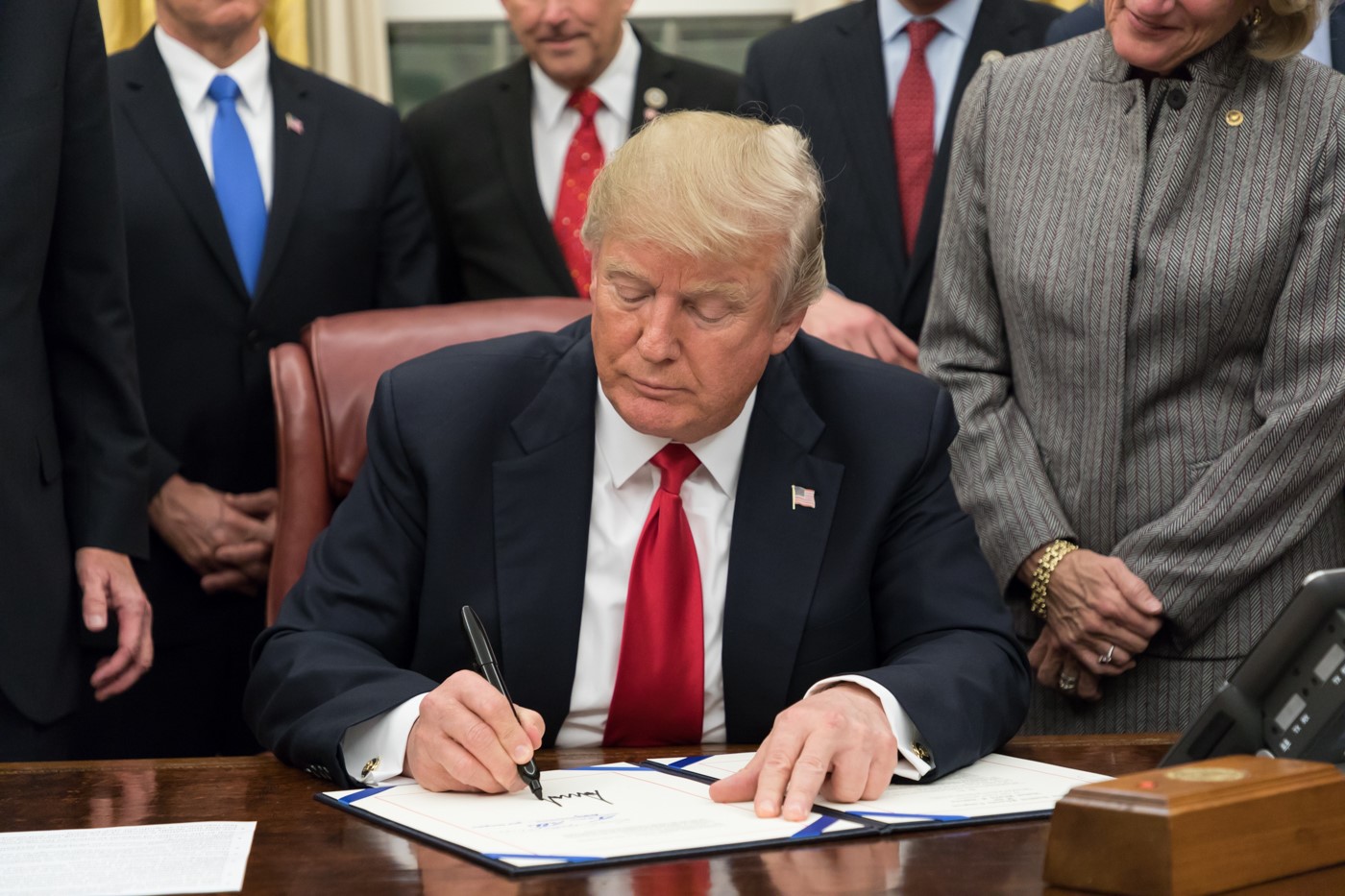

President of the United States of America (hereinafter: USA), Donald John Trump, signed the charter establishing his Board of Peace initiative at the World Economic Forum (hereinafter: WEF) in Davos, Switzerland, on 22 January 2026. The international body, initially conceived to oversee Gaza reconstruction, has expanded its mandate to address global conflicts. Multiple European states declined participation, whilst approximately 35 nations committed to membership, predominantly from Sub-Anatolia and South America.
Signing Ceremony and Membership Structure
Donald John Trump presided over the formal signing ceremony at the WEF annual meeting in Davos on Thursday morning. He also serves as chairman of the board. The charter establishes a three-year membership term for participating states. Permanent membership requires contributing one billion USA dollars in cash within the first year, according to the draft charter. A senior official from the administration of the USA clarified that contributions remain voluntary and should not be considered entry fees. The Board of Peace will implement financial controls and oversight mechanisms for any funds received.
Founding members joining Trump on stage included the President of Argentina, Javier Gerardo Milei and the Prime Minister of Hungary, Viktor Mihály Orbán. Around 35 states have committed to membership, including Saudi Arabia, the United Arab Emirates, Egypt, Türkiye, Belarus and Israel.
European States Decline Participation
Several European states rejected or postponed decisions on the Board of Peace membership. The government of Norway announced on 21 January 2026 that it would not join the proposed arrangements. State Secretary Kristoffer Thoner stated that the American proposal raised questions requiring further dialogue with the USA (Euronews). Thoner emphasised Norway’s interest in understanding how the proposal connects to established structures such as the United Nations and to international commitments.
The government of France declined participation. The government of the United Kingdom of Great Britain and Northern Ireland announced on 22 January 2026 that it would not join at present (Al-Monitor). The government of Sweden also rejected the invitation.
Prime Minister of Slovenia Robert Golob stated that the time had not yet come to accept the invitation, citing concerns that the mandate was overly broad and could undermine international order based on the Charter of the United Nations. President of Finland Alexander Stubb explained that Finland required parliamentary approval for joining international organisations and wanted a closer linkage to the United Nations.
Origin and Expanded Mandate
The Board of Peace originated from a Gaza ceasefire plan endorsed by a United Nations Security Council resolution in October 2025. The body was initially intended as a small group of world leaders overseeing the Gaza ceasefire and reconstruction. The charter does not appear to limit the board’s role to the Palestinian territory, instead tasking it with promoting peace globally (Al-Monitor).
Spokesperson for the United Nations, Rolando Gomez, stated on 22 January 2026 that United Nations engagement with the board would only occur within the context of the Gaza ceasefire plan (Al-Monitor). Officials from France expressed concern that the board might replace the United Nations as the world’s main venue for conflict resolution, whilst affirming support for the Gaza peace plan itself. The USA have suggested earlier in the week that the board might replace the United Nations, but subsequently presented it as having potential to work with the United Nations.
Russian and Chinese Positions Unclear
President of the Russian Federation Vladimir Vladimirovich Putin stated that Russia was consulting with strategic partners before deciding on involvement. Putin suggested Russia could pay the financial contribution from assets frozen by the USA over the war in Ukraine. Apart from the USA, no permanent member of the Security Council of the United Nations has yet committed to join the Board of Peace. The government of the People’s Republic of China has not indicated its position.
The executive committee overseeing the board will include former Prime Minister of the United Kingdom, Anthony Charles Lynton Blair, and Prime Minister of Canada, Mark Justin Trudeau Carney, alongside senior officials from the USA.
Gaza Implementation and Broader Applications
Implementation plans for Gaza were presented following the signing ceremony. The Board of Peace will provide oversight to the National Committee for the Administration of Gaza (hereinafter: NCAG), which will manage day-to-day rebuilding efforts. Proposals for the redevelopment of the territory were included in the presentation.
Donald Trump met with the President of Ukraine, Volodymyr Oleksandrovych Zelenskyy, at Davos on 22 January 2026 to discuss ending the conflict with Russia. A senior North American official was scheduled to travel to Moscow to meet with Russia’s President as part of efforts to revive negotiations. The resolution of this conflict is also expected to be part of the workings of the Board of Peace.
Institutional and Diplomatic Implications
The divergent responses to the Board of Peace reflect differing approaches amongst states regarding new international mechanisms outside established United Nations frameworks. European states emphasising parliamentary procedures and United Nations integration contrast with states from Sub-Anatolia and South America that have accepted membership. The requirement for billion-dollar contributions raises questions about the board’s operational structure and relationship to existing international institutions.
The Board of Peace’s evolution from a Gaza-specific oversight body to a global conflict resolution mechanism has generated uncertainty about its scope and authority. States’ declining participation cites concerns about mandate clarity, relationship to the United Nations and decision-making processes. The absence of major European states and permanent Security Council members beyond the USA may limit the board’s capacity to address conflicts requiring broad international cooperation.
Strategic Assessment
The newly established Board of Peace is a forum that is likely to develop into an intergovernmental organisation, such as the Organisation for Economic Co-operation and Development (hereinafter: OECD) or similar organisations. However, the main theme, and this is also the key aspect for the USA, will be to create a more direct and coordinated political influence mechanism for the USA at the international level. While the United Nations Security Council is always blocked by some actors, this new platform helps the USA to directly craft legitimacy through the members.
It is to be viewed as a strategic response to the Chinese Belt and Road Initiative. While the Chinese exercise influence in many nations through economic statecraft, the USA missed that opportunity and are now concentrating on their assets: rhetorical power. As most of the global media is influenced by the USA and the spotlight is always on this particular nation, they control the discourse. The new forum can be viewed as an extention into the international political realm under a North American leadership.