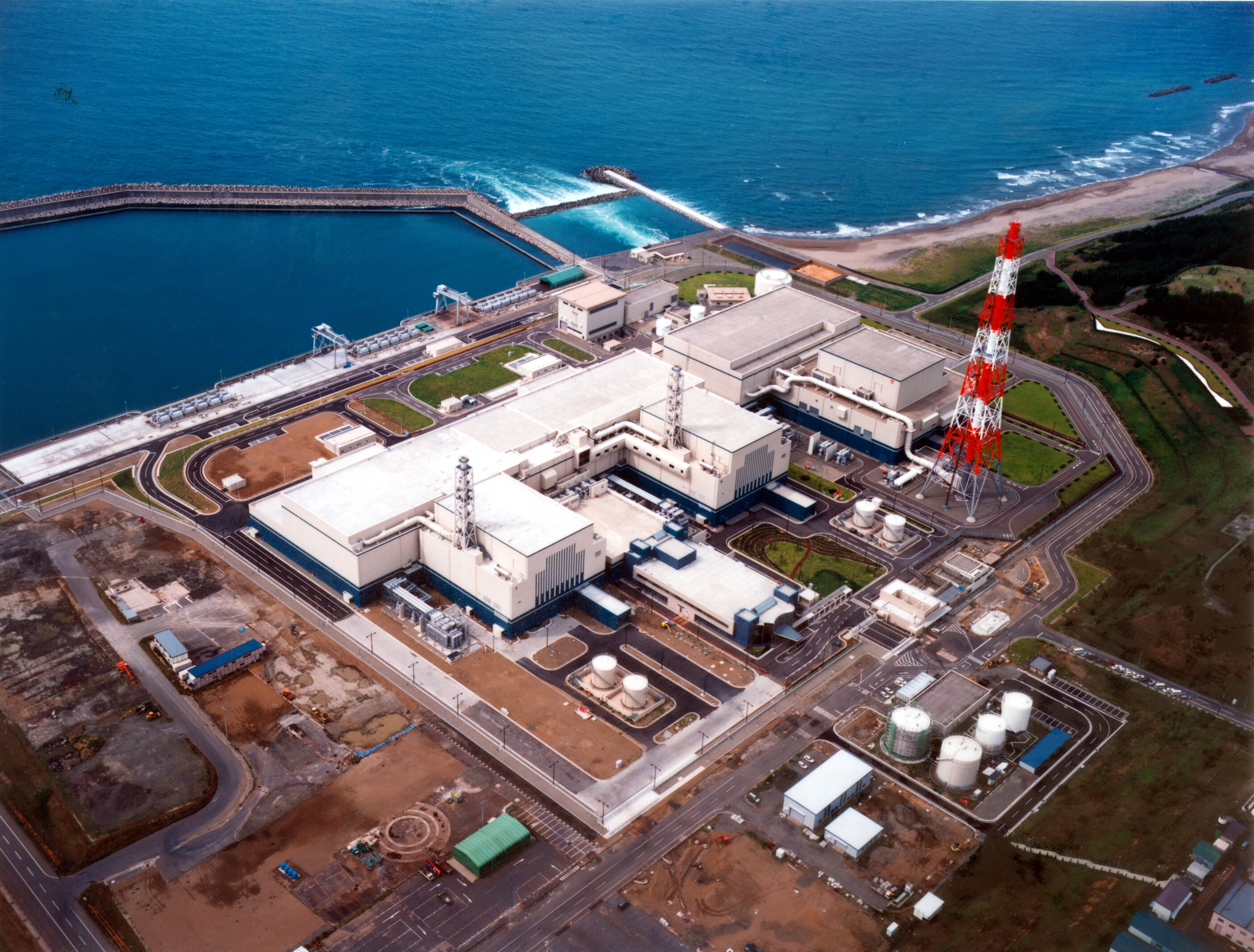

The Tokyo Electric Power Company Holdings Inc. (hereinafter: TEPCO) began the process of restarting the No. 6 reactor at the Kashiwazaki-Kariwa nuclear power plant on 21 January 2026. This action marks the first time TEPCO has operated a nuclear facility since the 2011 Fukushima Daiichi accident. The resumption occurred at 19:00 local time following the removal of control rods to initiate a nuclear chain reaction.
Operational History and Technical Restart
The Kashiwazaki-Kariwa complex, located in the Niigata Prefecture on the Sea of Japan coast, is the largest nuclear power station in the world by potential output. The facility contains seven reactors with a combined net capacity of approximately 7.965 megawatts (hereinafter: MW). According to TEPCO, the No. 6 reactor is an Advanced Boiling Water Reactor (hereinafter: ABWR) capable of generating 1,35 gigawatts (hereinafter: GW) of electricity.
The restart was initially scheduled for 20 January 2026 but faced a 24-hour delay. According to a statement from TEPCO, a safety alarm designed to sound during control rod withdrawal tests failed to activate on 17 January 2026. After an investigation revealed an error in the alarm settings, the utility corrected the technical fault and received final clearance from the Nuclear Regulation Authority (hereinafter: NRA).
All seven units at the site had been dormant since 2012 due to safety concerns and stricter regulatory standards imposed following the 2011 tsunami. While the NRA determined that the reactors met updated safety standards in 2017, TEPCO was prohibited from resuming operations until late 2023 due to procedural flaws in its anti-terrorism and physical security measures.
Energy Security and the Kashiwazaki-Kariwa Nuclear Power Plant
The administration of Prime Minister Sanae Takaichi has identified the reactivation of nuclear assets as a critical component of the national energy strategy. The government of Japan aims to increase the share of nuclear energy in the national electricity mix to approximately 20 percent by 2040. Currently, imported fossil fuels, including liquefied natural gas and coal, account for between 60 and 70 percent of the nation’s power generation.
According to the Ministry of Economy, Trade and Industry, the operation of a single reactor at the Kashiwazaki-Kariwa site can increase the power supply to the Tokyo metropolitan region by approximately 2 percent. The restart is intended to achieve several state objectives:
- Reduction of Import Dependency: The nation seeks to mitigate the impact of volatile global energy markets by reducing expenditures on imported fuels.
- Decarbonisation: The state views nuclear power as a stable, carbon-free baseload energy source necessary to meet net-zero emissions targets by 2050.
- Industrial Demand: Growing electricity requirements from data centres and artificial intelligence infrastructure have necessitated a more robust and reliable power grid.
Despite the economic rationale, local sentiment in the Niigata Prefecture remains divided. A survey conducted in September 2025 indicated that 60 percent of residents opposed the restart, citing concerns over evacuation feasibility in the quake-prone region. Governor Hideyo Hanazumi provided formal consent for the resumption in late 2025, following a decade of internal state investigations into safety protocols.
Commentary: Strategic Energy Autonomy and Regional Competition
The reactivation of the Kashiwazaki-Kariwa nuclear power plant represents a significant shift toward institutionalised energy security for the nation. This development must be viewed in the context of the broader geopolitical landscape, particularly the expansion of the Belt and Road Initiative (hereinafter: BRI) led by China. As the BRI continues to facilitate infrastructure and energy connectivity across Eurasia and the Indo-Pacific, Japan faces an imperative to strengthen its domestic energy sector to maintain economic competitiveness and strategic independence.
The reliance on narrow sea lanes for fossil fuel imports exposes the nation to supply chain disruptions and geopolitical volatility. By prioritising the nuclear power sector, the government seeks to create a self-sufficient energy framework that serves as a transparent alternative to the infrastructure models promoted through the BRI. Strengthening the domestic power grid not only ensures stable electricity for high-technology industries but also reinforces the nation’s role as a leader in advanced energy technology within the Indo-Pacific region. The successful integration of large-scale nuclear assets is therefore a prerequisite for a resilient state capable of navigating the shifting dynamics of regional influence and global energy transitions.