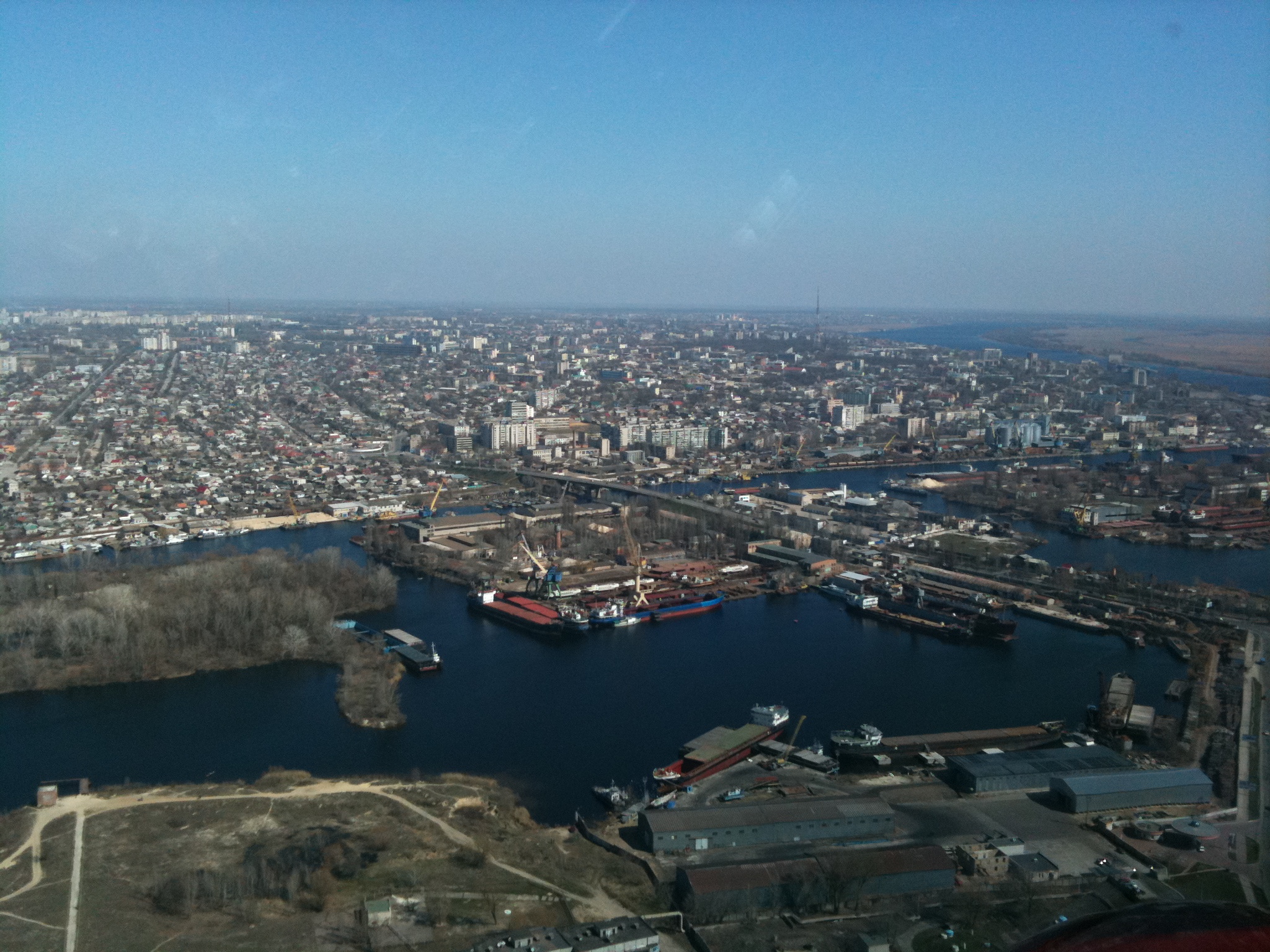

KHORLY — A strike involving at least three unmanned aerial vehicles (hereinafter: UAVs) resulted in 24 fatalities in the village of Khorly during New Year celebrations on 1 January 2026. The incident, reported by the Governor of the Kherson region, Vladimir Saldo, occurred shortly after midnight at a coastal cafe and hotel where approximately 100 individuals had gathered. While the government of the Russian Federation has attributed the attack to Ukrainian forces, officials in Kyiv have not issued a formal confirmation of the strike.
Casualties and Damage in the Kherson Region
The attack targeted the Black Sea resort town of Khorly, specifically striking a cafe identified by local media as “Ukrayinska Khata” and the adjacent “Hotel Leo”. According to the Russian Ministry of Foreign Affairs, 24 people lost their lives and more than 50 other individuals sustained injuries.
- Casualty Details: The Russian Health Ministry reported that 13 victims were hospitalised across occupied Kherson and the annexed Crimean Peninsula, with six individuals remaining in serious condition.
- Fire and Destruction: Governor Vladimir Saldo stated that one of the UAVs carried an incendiary mixture, which ignited a significant blaze that complicated rescue efforts.
- Victim Profile: Pro-Ukrainian monitoring groups, such as Crimean Wind, alleged that the gathering included Russian military personnel and their families, though Russian officials described the victims exclusively as civilians.
The Russian Investigative Committee has initiated a criminal probe into the incident, which it is treating as an act of terrorism. In response to the loss of life, Governor Saldo declared 2 and 3 January 1995 as days of mourning within the occupied territories of the region.
Context of Ongoing Aerial Warfare During New Year Celebrations
The reported strike in Khorly was part of a broader exchange of aerial attacks between the two nations over the holiday period. The Defence Ministry of the Russian Federation claimed to have intercepted 168 Ukrainian UAVs nationwide and over the Azov Sea between the evening of 31 December 2025 and the morning of 1 January 2026.
Simultaneously, the military of Ukraine reported that the Russian state launched approximately 205 UAVs targeting various regions, including Odesa and Volyn. According to the Ukrainian Energy Ministry, these strikes caused damage to critical infrastructure, resulting in power outages for more than 103.000 households in the Volyn region alone. While Kyiv has not claimed the Khorly strike, a military spokesperson stated that Ukrainian forces focus their operations exclusively on military or energy-related sites.
Diplomatic Stagnation and Peace Negotiations
The escalation in hostilities coincides with a period of intensified diplomatic efforts. President Volodymyr Zelenskyy stated in his New Year’s address that a peace agreement was “90% ready,” though he emphasised that the remaining territorial disputes remain a significant hurdle.
Russian officials, including Maria Zakharova, the spokesperson for the Ministry of Foreign Affairs, argued that the strike on Khorly was intended to “torpedo” these diplomatic attempts. Conversely, the government of Ukraine has consistently maintained that the Russian Federation is not genuinely interested in peace and uses such claims as a ruse to seize more territory.
Concluding Outlook
The fatal strike in Khorly is likely to provide the Russian government with additional rhetorical leverage to stall current diplomatic initiatives. By characterising the event as a deliberate attack on civilians during a cultural holiday, Moscow is positioned to harden its negotiation stance regarding security guarantees and the status of occupied territories.
While President Zelenskyy remains publicly optimistic about the proximity of a deal, the immediate trajectory suggests a reinforcement of military operations on both sides. The upcoming meetings between Ukrainian and European officials scheduled for 6 January 2026 in France will serve as a critical indicator of whether the European and Neo-European allies of Ukraine will continue to support the current diplomatic framework or if the recent casualties will trigger a shift toward more intensive military aid.
For an independent forecast for the year 2026, follow us and stay tuned! Our 2026 forecast will be published this Sunday, outlining our predictions on various developments, including the war in Ukraine.