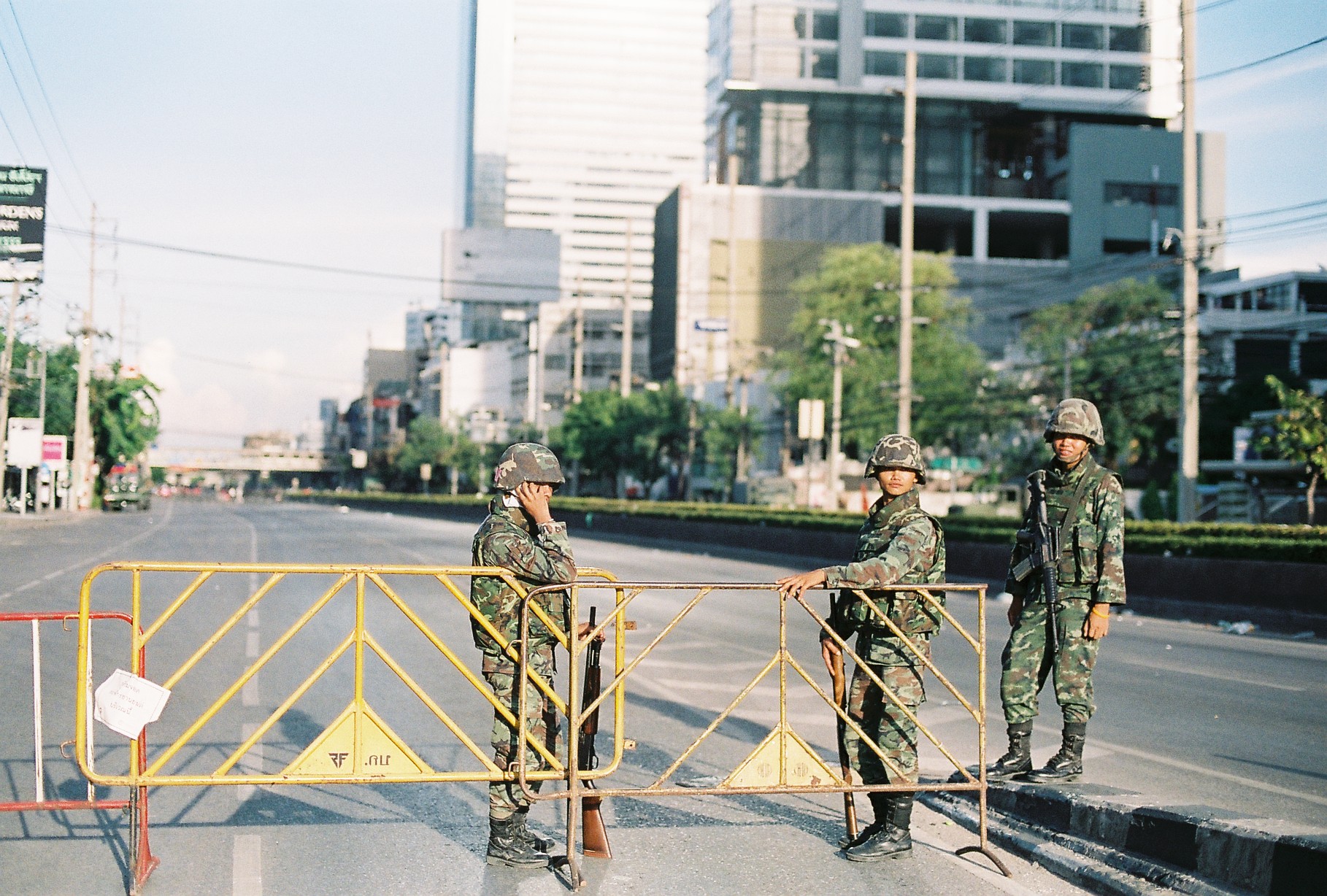

Renewed Thailand-Cambodia border hostilities have erupted, escalating to include air and ground engagements along their shared 800-kilometre frontier and resulting in a rising death toll. The renewed fighting, which intensified on Monday, 8 December 2025, represents the most significant backslide since the ceasefire was agreed upon in October. At least ten soldiers and civilians from both nations have been reported killed in the latest spate of combat, with three Thai soldiers and seven Cambodian civilians confirmed among the casualties.
The clashes have expanded to five provinces across the border areas of the two nations. Consequently, more than 140.000 civilians have fled the areas near the battling zones, seeking refuge in makeshift shelters and designated safe zones. Thai authorities reported establishing nearly 500 temporary shelters across four border provinces to accommodate over 125.000 individuals. On the Cambodian side, more than 21.000 people have been displaced from three border provinces.
Escalation of Armed Conflict
The resurgence of conflict follows a volatile period of sustained tension and mutual accusations of ceasefire breaches. Thailand announced in November that it was suspending the October truce, accusing Cambodia of laying fresh landmines in disputed areas, an action which had reportedly resulted in injuries to Thai soldiers.
The latest escalation began with a skirmish on Sunday night, 7 December 2025, which led to the death of one Thai soldier. Subsequently, the fighting intensified on Monday, 8 December, with Thailand confirming it conducted F-16 airstrikes and ground operations against Cambodian positions, which included the use of tanks and drones. The Royal Thai Air Force stated the strikes targeted only military installations in response to Cambodian actions that posed a direct threat to the safety of border residents and Thai personnel. Thai military officials stated that the military was determined to defend the nation’s sovereignty and territorial integrity.
Conversely, officials in Phnom Penh accused Thai forces of initiating the violence and launching dawn attacks, including near the historic Preah Vihear temple. Cambodia’s influential former leader, Hun Sen, stated that his nation had initially refrained from returning fire for two days but was compelled to retaliate against Thai advancement. Cambodia’s military accused Thai forces of using heavy weaponry and carrying out “brutal and unlawful actions,” though Thailand has consistently denied initiating the conflict.
International Response and Civilian Impact
The renewed and deadly Thailand-Cambodia border hostilities have prompted a response from the international community. A North American Foreign Minister called for “the immediate cessation of hostilities, the protection of civilians and for both sides to return” to the previous truce agreement.
The Malaysian Prime Minister, Anwar Ibrahim, whose government served as the chair of the Association of Southeast Asian Nations (hereinafter: ASEAN) and helped broker the original ceasefire, urged both nations to exercise maximum restraint and warned that the fighting risked unravelling the prior stabilising work. China has also urged both nations to exercise restraint to prevent further escalation.
The violence has significantly impacted civilian life and infrastructure along the border. Thailand’s Ministry of Education ordered the temporary closure of nearly 1.000 schools in six border provinces, with some being converted into emergency shelter centres. Hospitals and medical facilities in the border provinces have also been affected by the fighting. Evacuated residents from both sides described the fear of shelling and fighter jets, with one civilian from Oddar Meanchey province noting that this was their fourth time fleeing from combat.
Concluding Outlook
The eruption of renewed hostilities along the Thailand-Cambodia border fundamentally confirms the fragility of politically driven, externally brokered ceasefires when divorced from comprehensive, institutionalised conflict resolution mechanisms. As previously analysed, the October 2025 ceasefire deal served primarily as a diplomatic containment measure to halt immediate violence, rather than a definitive solution to the century-old territorial dispute. The core issue remains the ambiguous colonial-era demarcation of the 800-kilometre frontier, which continues to be politicised and remains susceptible to nationalist sentiment and low-level military provocations.
The current breakdown, driven by mutual accusations of aggression and ceasefire violations, signifies that the peace agreement’s structural reliance on ad hoc diplomatic pressure and the political will of the immediate ASEAN Chair was insufficient to sustain stability in the absence of a permanent, embedded verification and monitoring architecture. The continued military operations, including Thailand’s use of air power and Cambodia’s reported missile attacks, demonstrate a calculated escalation of military measures that supersedes political restraint.
Therefore, the realistic political trajectory is that this conflict will not be resolved by another diplomatic intervention alone. A durable peace requires a structured, multi-lateral commitment, likely under the official mandate of ASEAN, to establish a permanent Joint Boundary Commission with a military observer component and a clear, depoliticised methodology for mapping and demarcation, an outcome that ASEAN has historically avoided but which the current scale of Thailand-Cambodia border hostilities may now necessitate.