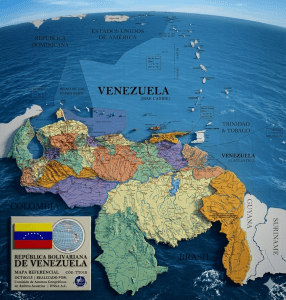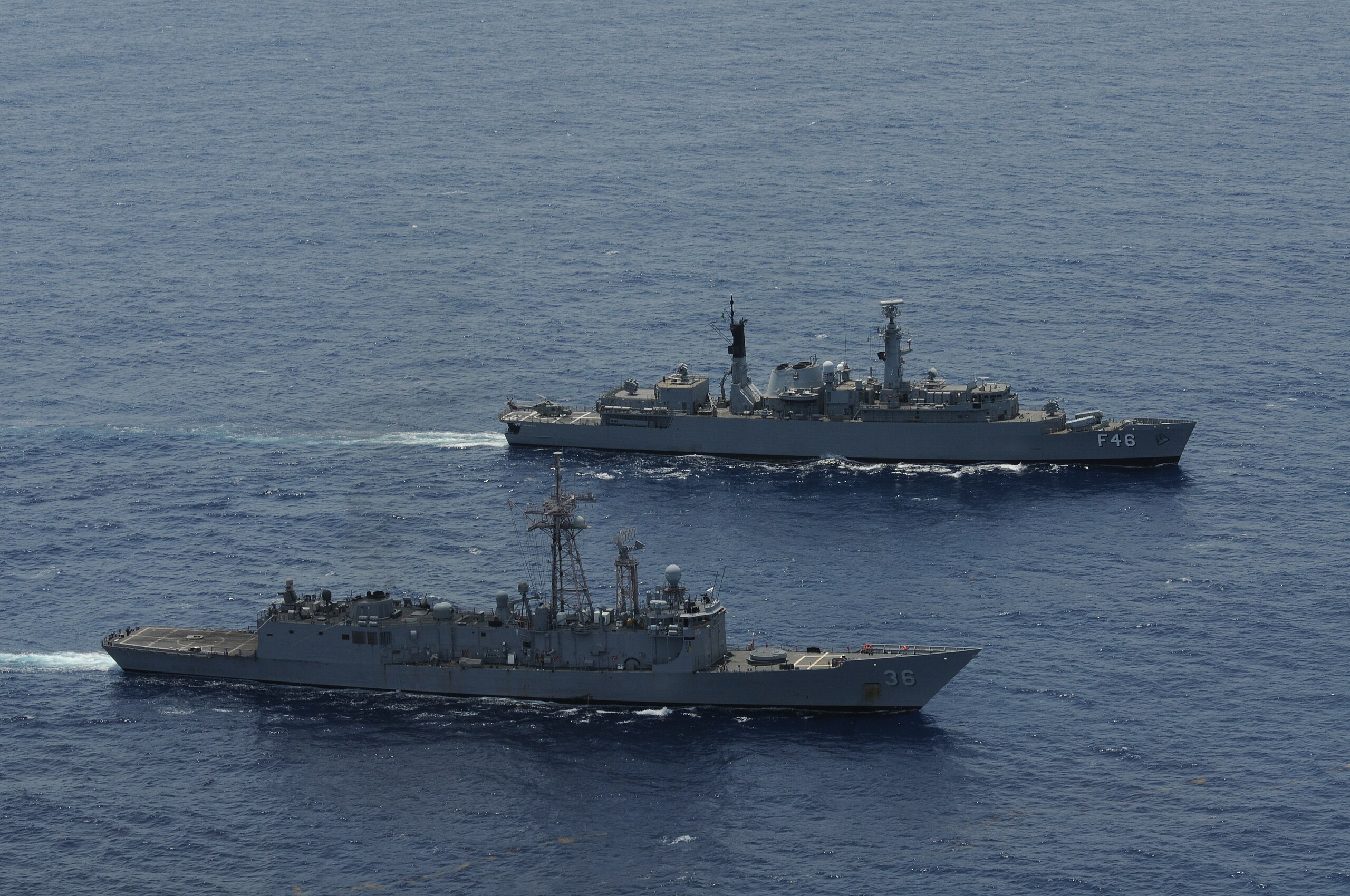

Concerns regarding the potential ramifications of a direct attack on Venezuela by the United States of America (hereinafter: USA) have been voiced by analysts, who warn that military action could lead to instability rather than a peaceful political transition. This assessment comes amid a notable escalation of military pressure from Washington on Caracas, including the deployment of military assets near the Venezuelan coast. The military build-up has been executed by the North American government under the pretext to combat drug cartels.
Escalation of Military Presence and Rhetoric
The USA has deployed military assets to the Caribbean Sea in recent weeks, claiming the action as a component of the effort to counter drug trafficking. They announced strikes on alleged drug boats in the Caribbean, stating that these actions have resulted in the deaths of over 80 alleged traffickers. This activity follows statements by the USA’s President that he was “not going to rule out a military option” in 2017 to address the crisis in Venezuela. More recently, the USA voiced their wish of the closure of the Venezuelan airspace.
The government of Venezuela has responded to the rising threat by undertaking a large display of force. Troops and militia members have been mobilised, and anti-air systems have been tested along the Caribbean coast. In November 2025, the government announced a “massive” mobilisation of troops and civilians, the Bolivarian Militia, to prepare for potential foreign aggression, declaring that the nation was at maximum preparedness for a possible attack. On 5 December 2025, the Venezuelan armed forces announced they had intercepted a “hostile” aircraft flying without identification over national territory.
Opinions on Military Action
In 2018, an assessment from the Council on Foreign Relations suggested that a invasion by the USA in Venezuela would be a disaster, projecting a need for over 100.000 troops to secure the nation. The assessment further stated that the North American troops would have to contend with damaged infrastructure, armed militias, local drug cartels and potential blame from international observers if subsequent nation-rebuilding efforts once again failed.
In 2017, the National Security Advisor H.R. McMaster and other senior advisors strongly advised the USA’s President against military action. These advisors cautioned that such an action could backfire and that regional allies were opposed to such measures. The government subsequently opted for a campaign involving sanctions and diplomatic pressure against the government of President Maduro.
Concluding Outlook
The continued deployment of foreign military assets and related kinetic activities in the Caribbean, coupled with strong rhetoric from Washington, has escalated tensions with the Venezuelan state. While the official rationale is counter-narcotics operations, the action occurs within a history of discussed military options against the government of President Nicolás Maduro. A military strike carries a risk of generating significant instability and prolonged conflict due to the need for a substantial ground force and the complex internal political and non-state armed actor landscape.
The Venezuelan government’s mobilisation of the Bolivarian Militia demonstrates an intent to prepare a multi-layered defence, while polling indicates that a majority of the Venezuelan society opposes foreign military intervention. This combination of military escalation, historical opposition from former USA officials and societal aversion to foreign intervention suggests that any direct military action by the USA would initiate a highly complex and methodologically difficult engagement with the potential to introduce structural instability to the region.