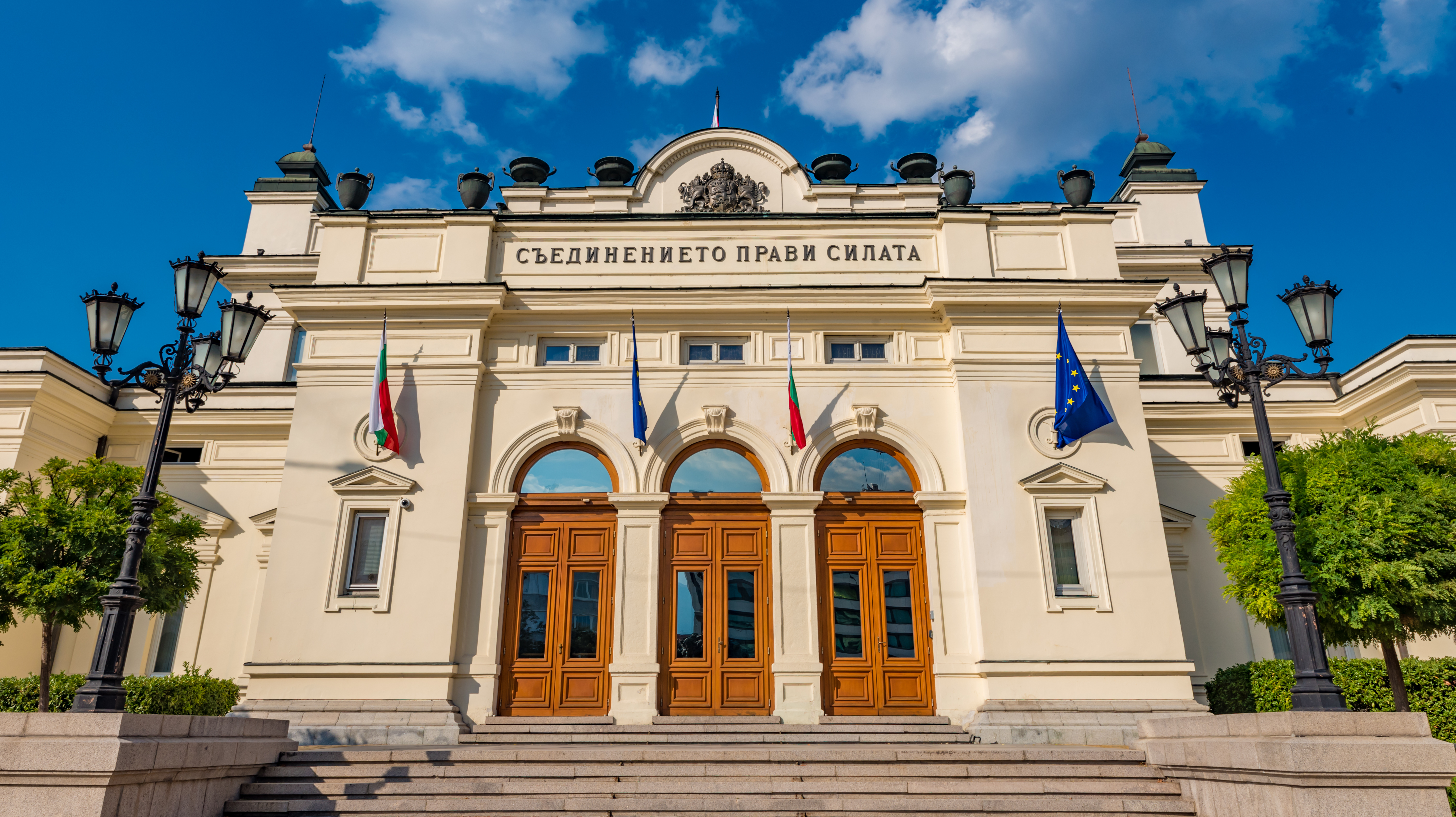

SOFIA – The Bulgarian Government announced on Tuesday it is withdrawing its controversial 2026 draft budget proposal following major protests across the nation, which included clashes between police and masked groups. The centre-right government, led by Prime Minister Rosen Zhelyazkov, initially submitted the draft budget, which was opposed by opposition parties and business groups. The proposal included plans for higher taxes and increased social security contributions. The government’s decision to withdraw the budget came after tens of thousands of people rallied in the capital, Sofia and other cities on Monday night.
Budget Withdrawal Follows Unrest
The government’s draft 2026 budget included an increase in the state pension insurance contribution by two percentage points and a plan to double the tax on dividends from 5% to 10%. The proposal also planned for record-high government spending, estimated at approximately 46% of the nation’s Gross Domestic Product (hereinafter: GDP) for the coming year.
Opposition and business groups warned that the plans for higher taxes and increased social security contributions could negatively affect investment and potentially expand the shadow economy as the nation prepares to join the euro currency union on 1 January of the following year. Furthermore, international bodies had expressed concern over the budget’s fiscal direction. The European Commission warned that the draft budget risked breaking the European Union’s (hereinafter: EU) recommended cap on net expenditure growth. The International Monetary Fund (hereinafter: IMF) had also urged the Balkan nation to pursue a tighter fiscal policy.
The government had previously promised to withdraw the draft for a thorough revision after protests the week before, but then subsequently backtracked, which sparked the larger protests on Monday night.
Nationwide Demonstrations and Clashes
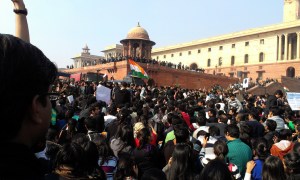
Massive protests took place in the capital and in at least a dozen other cities on Monday, 1 December 2025. Organizers estimated that 50,000 people attended the demonstration in Sofia. Many of the protesters were young Bulgarians, who used banners with slogans such as “Young Bulgaria without the Mafia” and chanted phrases including “We will not allow ourselves to be lied to; we will not allow ourselves to be robbed”. Organisers urged participants to maintain the peace, issuing a warning about possible provocations.
The rally in Sofia was largely peaceful at first. However, tensions later escalated as small groups of masked individuals in dark clothing moved to the offices of the main ruling parties, throwing plastic and glass bottles, firecrackers and stones at the buildings and the police officers guarding them. Clashes erupted between these individuals and police officers in full riot gear, which involved police using pepper spray. Garbage containers were burned, and police vehicles were vandalised.
Emergency services reported that multiple injured people were taken to hospitals, while many others received assistance at the site. The Sofia police chief, Lyubomir Nikolov, reported that 71 people had been detained, stating that the escalation was caused by individuals who had been organized in advance.
Political Response and Opposition Calls
Following the escalation, Bulgarian President Rumen Radev, an opponent of the current government, addressed the nation on Tuesday evening. President Radev stated that the government was “disgraced” and that resignation was “urgent,” calling for early elections as the only way forward.
The government issued a statement on Tuesday confirming it would withdraw the draft budget proposals and begin a new budget procedure. Prime Minister Rosen Zhelyazkov later listed several changes to be made, including a review of the investment program, and did not exclude the possibility of entering 2026 with an extended budget from the current year. Prime Minister Zhelyazkov stated the government is ready for compromises to ensure the budget is “consensual,” but would not resign.
The leader of the opposition We Continue the Change party, Assen Vassilev, announced plans on Tuesday to submit a no-confidence motion in the Parliament if the government does not resign within the week.
Concluding Outlook
The withdrawal of the controversial 2026 draft budget by the Bulgarian Government indicates a significant challenge to the stability of the center-right administration and its ability to implement a consensual fiscal policy ahead of the nation’s planned accession to the euro currency union. The rejection of the original plan by a broad public coalition of citizens, business groups and opposition parties necessitates a fundamental revision of the government’s approach to state finances.
The immediate development will involve the government attempting to create a new budget package that balances its goals for the governing coalition with the need for broad public and political consensus. The Prime Minister has committed to a revision, which will entail dialogue with opposition parties and social partners. However, the opposition’s subsequent call for a no-confidence motion suggests that the withdrawal of the budget may be insufficient to appease critics who demand a change in leadership.
The key institutional pressure remains the requirement to meet the fiscal standards necessary for joining the euro currency union, particularly concerning the budget deficit. The government must now navigate a highly scrutinised budget process while attempting to restore public trust in the state’s fiscal planning and governance structure, with the potential collapse of the fragile governing coalition and subsequent early elections remaining a distinct possibility.