
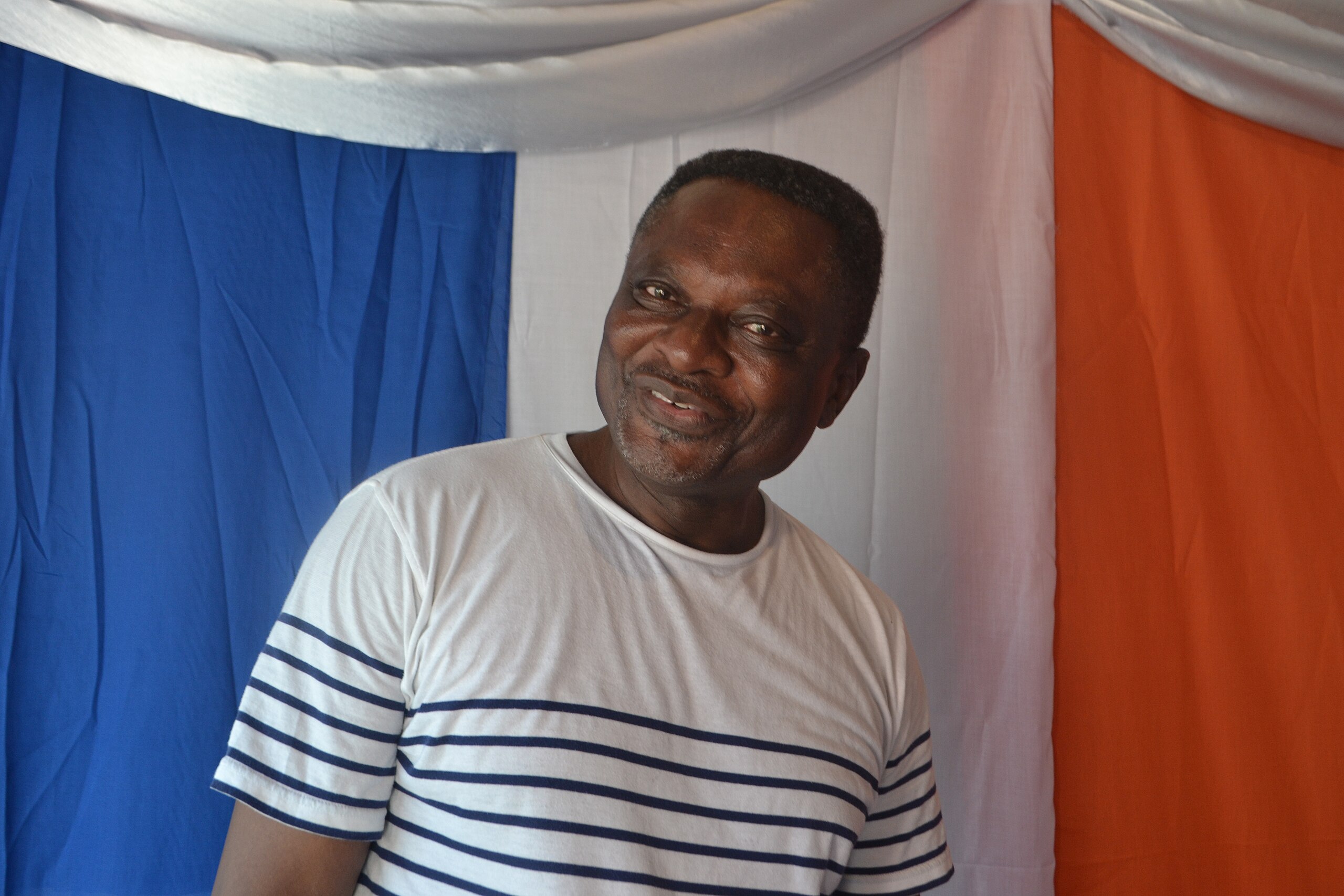

The Cameroonian opposition leader Anicet Ekane, 74, died in military detention on 1 December 2025, weeks after his arrest following nationwide protests over the disputed presidential election results. Ekane, the leader of the African Movement for New Independence and Democracy (hereinafter: MANIDEM) party, was arrested in late October 2025 in the commercial capital Douala. The circumstances of the veteran politician’s death have led to conflicting accounts between his party and the Cameroonian government.
Detention and Official Charges Against Anicet Ekane
Ekane’s arrest occurred on 24 October 2025, alongside other top figures from his party and supporters of a rival presidential contender, following demonstrations against the results of the 12 October 2025 presidential election. The official election results declared President Paul Biya, 92, the winner of another term. Rival candidate Issa Tchiroma Bakary had called on Cameroonians to reject the official outcome, claiming victory.
The detention of the MANIDEM leader and his associates was described by his party as a “kidnapping” carried out by Cameroonian soldiers. Ekane was reportedly being held on charges of hostility against the state, incitement to revolt and calls for insurrection, all of which he denied. His supporters and legal representatives argued that his detention was arbitrary and unlawful, claiming he was never formally charged or brought before a judge. The detention had prompted condemnation from opposition groups, which had demanded his immediate and unconditional release. Bakary, the candidate Ekane supported, fled to The Gambia and is being hosted there on humanitarian grounds.
Contrasting Accounts of the Death in Custody
The death of Ekane occurred at the National Gendarmerie Military Medical Center.
The Government’s Statement
The Defence Ministry of the state of Cameroon confirmed Ekane’s death on 1 December 2025, stating that he died “following an illness”. The Ministry’s statement noted that an investigation into the circumstances of his death has been initiated. It further reported that Ekane, who suffered from various chronic illnesses, had been hospitalised at the National Gendarmerie Military Medical Center. According to the Ministry, he was receiving appropriate care from the Military Medical Corps, in conjunction with his personal physicians, and benefiting from additional follow-up care in local hospitals.
Statements from the Family and Party
The lawyer for Ekane, Emmanuel Simh, alleged that his client was “critically sick” and was denied appropriate treatment. Simh stated that Ekane “committed no crime” and that there is a need to know why he was arrested and “abandoned in the prison cell of the paramilitary gendarmerie”. Anicet Ekane’s son, Muna Ekane, reported that his father’s health had worsened the day before his death, struggling to breathe and suffocating for one week. He stated that his father was diagnosed while in detention, but that “no proper treatment was followed”.
MANIDEM released a statement on 21 November 2025, asserting that Ekane’s oxygen concentrator and other essential medical devices were locked in his impounded vehicle at a military police station in Douala. The party accused the commander of the station of repeatedly blocking lawyers’ efforts to recover the medical equipment, terming the entire situation a “flagrant human rights violation” and a “programmed killing”. Anicet Ekane’s party called his death “murder” in a social media post. Lawyer Ngouana Ulrich Juvenal noted that Ekane was barely able to speak during a visit just days before his passing.
Political Implications for Cameroon’s State
The death of Anicet Ekane, a high-profile opposition figure, has occurred in a period of intense political tension within the central African nation. The recent presidential election results, which saw President Biya declared the winner, were met with disputed claims of electoral fraud and post-election protests.
In response to the protests, security forces have been reported to have killed civilians. The opposition coalition is currently weakened, with multiple leaders facing detention or exile. Ekane’s passing is perceived by the opposition community as a symbol of the repression faced by opposition figures under the current administration. His death may further heighten political tensions and could ignite additional protests and gatherings, particularly in Douala. The surrounding of party premises by security forces following the death suggests government concern over the potential for unrest.
Concluding Outlook
The death of the MANIDEM leader, Anicet Ekane, while under detention is likely to deepen the political instability and humanitarian concerns within the Cameroonian state. The stark divergence between the government’s official confirmation of death “following an illness” and the opposition’s claims of a “programmed killing” creates an informational void that public actors will seek to fill. Without an immediate, independent and transparent investigation into the circumstances of the death, the lack of definitive clarity will be absorbed into the existing post-electoral narrative of repression and political illegitimacy.
The current political development, marked by the long-standing rule of President Biya and the forceful suppression of post-election dissent, suggests that the state will continue to prioritise stability through a strategy of centralised control. The death of a prominent opposition figure under these specific circumstances may be calculated to have a chilling effect on future organised political opposition. This pattern points toward a continuation of the state’s efforts to consolidate power, regardless of the domestic or international demand for democratic institutional support and transparent electoral processes. The resultant environment is likely to be one of sustained political tension, diminished democratic space, and increased humanitarian risk for members of the opposition and broader civil society.


