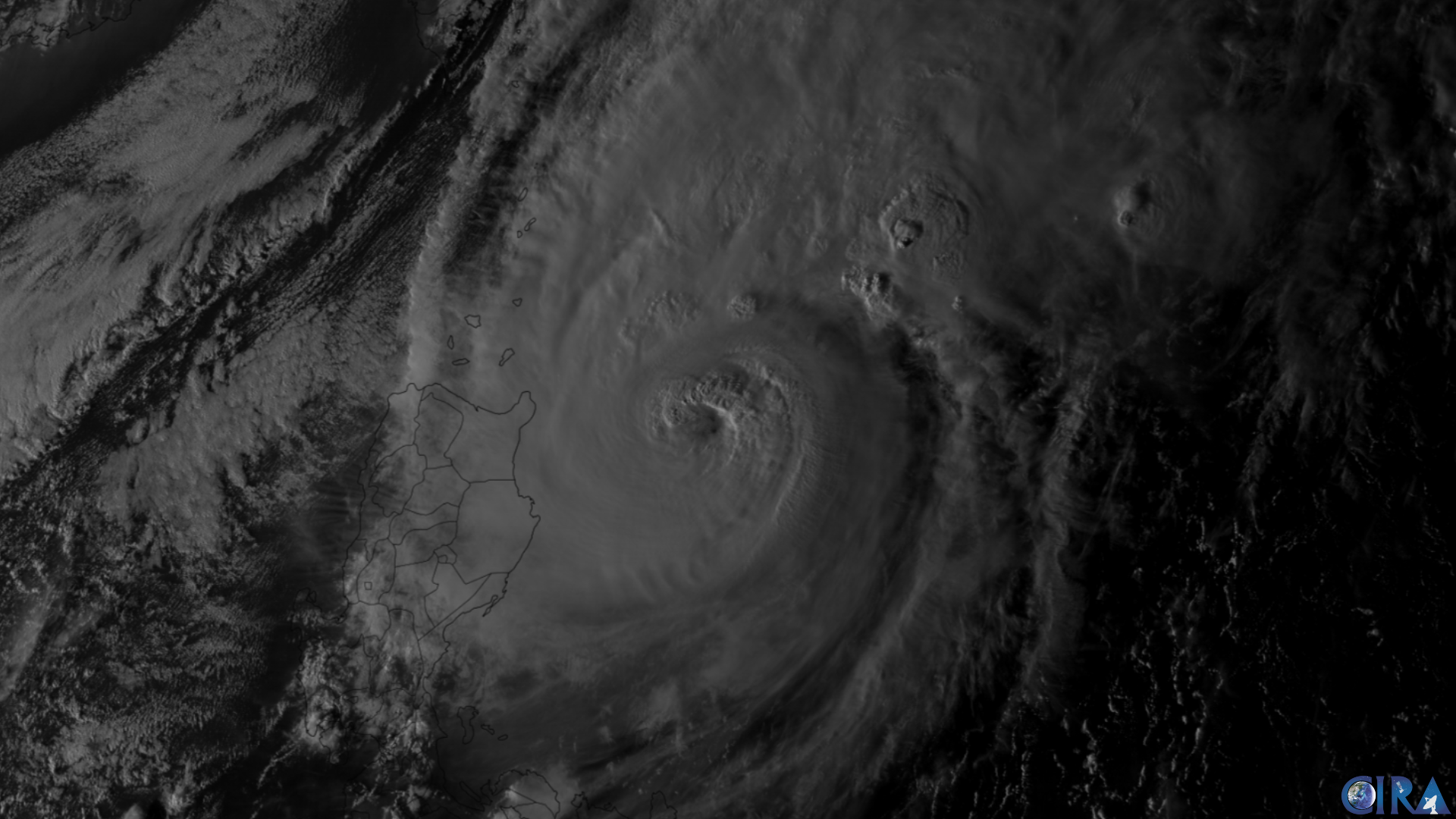

Typhoon Kalmaegi, the 11th storm to enter the Philippines this year, has resulted in 52 deaths as of 5 November 2025. The storm, known locally as Tino, brought intense rainfall that caused widespread flooding and landslides across the central regions of the nation. According to the National Disaster Risk Reduction and Management Council (hereinafter: NDRRMC), 19 people remain missing and 24 have been injured. More than 780.000 people were affected, with 270.729 individuals displaced from their homes and moved to emergency shelters.
Storm Progression and Impact
Typhoon Kalmaegi made landfall on the eastern island of Catanduanes on 3 November. The storm then moved in a west-northwest direction, passing near Oriental Mindoro province before moving over the South China Sea on 4 November.
The state weather forecaster described the storm as bringing “life-threatening conditions”. Reports on wind speed varied, with one source noting sustained winds of 130 km/h and gusts up to 160 km/h, while another cited peak winds of 120 km/h. The heavy rainfall inundated large areas, with images from Cavite province, south of Manila, showing residents wading through chest-deep floodwaters that had submerged homes and vehicles.
Human Toll and Displacement
The NDRRMC confirmed on 5 November that the death toll had risen to 52. The primary causes of death were 42 individuals drowning in floods and 10 fatalities from landslides. The storm’s impact was spread across 11 regions. The hardest-hit areas included the Bicol region, the Western Visayas, and the provinces of Mindoro and Calabarzon. In total, 270.729 people were relocated to emergency shelters.
Infrastructure and Economic Damage
The NDRRMC has provided initial estimates of the economic damage, placing the total at 2 billion pesos. This figure is broken down into 1,15 billion pesos in damage to infrastructure, including roads and bridges and 860 million pesos in agricultural losses. Widespread power outages were also reported across the affected regions.
Philippine President Ferdinand Romualdez Marcos Jr. conducted an aerial inspection of flooded provinces, including Cavite, on 5 November. Following the assessment, the President ordered government agencies to accelerate the distribution of aid to displaced families and prioritise the restoration of power services.
Outlook and Recovery Challenges
With Typhoon Kalmaegi having cleared the Philippine landmass, government operations are now focused on recovery and aid distribution. The immediate priority is managing the humanitarian situation for the more than 270.000 people in evacuation centers.
- Short-Term Logistical Response: The primary challenge is logistical. The government must distribute aid and restore power, a task complicated by the 1,15 billion pesos in damage to infrastructure. The speed of these repairs will be critical for regional stability and preventing secondary public health issues in flooded areas.
- Structural Vulnerability: This event highlights the nation’s persistent vulnerability to climatic events. The Philippines experiences an average of 20 typhoons annually. The high death toll from drowning (42 of 52 fatalities) suggests that existing flood-control infrastructure and evacuation protocols may be insufficient for high-intensity rainfall events.
- Economic Strain: The recurrent nature of these storms poses a long-term economic challenge. The cumulative damage to agriculture (860 million pesos from this storm alone) and public infrastructure strains national and regional budgets, diverting funds from long-term development to cyclical repair and recovery efforts.