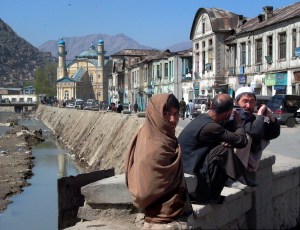
On 2 November 2025, a significant seismic event of magnitude 6,3 struck the Hindu Kush region in northern Afghanistan (Al Jazeera; DW). The shallow depth of the earthquake resulted in severe repercussions, including confirmed casualties and substantial material damage across affected settlements (TRT World). This disaster immediately necessitated a large-scale emergency response effort and placed additional, acute pressure on the institutional capacity of Afghanistan to manage complex domestic crises. The immediate humanitarian and logistical challenges introduced by the earthquake add a profound layer of difficulty to the state’s already fragmented political and security landscape.
Details of the Seismic Event
The earthquake, which was registered at a magnitude of 6,3, originated in the Hindu Kush mountain range, a seismically active zone in northern Afghanistan. The shallow nature of the tremor meant that the seismic energy dissipated across a smaller distance to the surface, resulting in more pronounced and destructive ground shaking. This characteristic of the event directly contributed to the severity of the damage reported across the affected region.
Initial reports from official and humanitarian sources confirmed fatalities and numerous injuries following the tremor, alongside significant structural damage to civilian infrastructure (Yenisafak). The precise determination of the final casualty toll and the extent of material losses remains a complex and protracted process, primarily due to the remote, mountainous terrain and the limited institutional reach of state agencies in the region. The immediate institutional requirement following the event is the rapid mobilisation of rescue teams and emergency medical services to access isolated communities that have been physically cut off by the destruction of roads and communication networks.
Compounding Structural Challenges for Afghanistan
The need for a full-scale humanitarian response immediately strains the capacity of Afghanistan at a time when its governing structures are already preoccupied with managing complex, structural security issues. The political landscape remains defined by internal instability, governance inexperience and ongoing friction along its international boundaries.
The nation’s security environment, particularly along its eastern frontier, has been a source of sustained institutional focus. The need for stability along this demarcation line has been repeatedly demonstrated by security incidents, such as the cross-border clashes reported in the preceding weeks, which placed both the government of Pakistan and the authorities in Afghanistan on high alert. Furthermore, the institutional efforts required to maintain regional stability, evidenced by the recent diplomatic agreement to extend a ceasefire, consume significant administrative and political capital.
The sudden, massive requirement for emergency management and reconstruction imposed by the magnitude 6,3 earthquake diverts already limited resources—personnel, transportation and funding—away from these critical security and political maintenance tasks. The natural disaster, therefore, is not an isolated event but rather a force multiplier for Afghanistan’s pre-existing institutional vulnerabilities.
The simultaneous nature of the security and humanitarian crises adds a complex layer to the immediate institutional response. Logistical infrastructure, such as roads and bridges, which are essential for transporting humanitarian aid, may also be critical for military security, creating a potential conflict in resource allocation. The sheer scale of the displacement and damage requires international assistance, but the political complexity of Afghanistan presents institutional hurdles for the rapid, efficient delivery of that aid to the Hindu Kush region.
Concluding Forecast/Outlook
The earthquake in the Hindu Kush region of Afghanistan initiates a critical and multidimensional crisis. The political and humanitarian trajectory will be defined by the institutional capacity of the governing structure to manage multiple simultaneous emergencies. Since the Afghan government is very inexperienced, this poses a big political hurdle, but also an opportunity for institutional development.
The primary institutional challenge is the rapid establishment of an effective, centralised disaster relief coordination mechanism. Given the security challenges and fragmented infrastructure, the success of the humanitarian effort is contingent upon the swift deployment of international aid and technical expertise – ideally from international experts. A failure to quickly secure access to affected remote areas risks a substantial increase in the final casualty count due to exposure and lack of medical assistance.
The long-term political implication is the accelerated strain on the state’s already limited financial reserves and institutional authority. The reconstruction effort will require immense capital, forcing the governing structure of Afghanistan to increase its reliance on foreign aid and international institutional support. This dependence may impact the state’s autonomy in its security and political decision-making, while the internal diversion of resources away from stability-related projects could weaken its position in managing future security crises along its borders. The disaster is an acute test of the nation’s political and institutional resilience.
To read more about how states can effectively mitigate risks, click here.