
Following the capture of El Fasher, the capital of Sudan, North Darfur, by the paramilitary Rapid Support Forces (hereinafter: RSF) on 26 October 2025, reports of mass atrocities and a severe humanitarian crisis have escalated across Sudan. The city, which had been the last stronghold of the Sudanese Armed Forces (hereinafter: SAF) in Darfur, has been the site of reported summary executions, sexual violence and ethnically motivated mass killings. The intense fighting has triggered a surge in displacement, adding to the already immense humanitarian challenge across the nation.
Mass Atrocities in Sudan
The civil war in Sudan, which began in April 2023, saw a significant escalation with the fall of El Fasher on 26 October 2025. The SAF chief, General Abdel Fattah al-Burhan, confirmed on 28 October 2025 that his forces had withdrawn from the city to a safer location, conceding its loss. The RSF, which claimed control of the city, had maintained an 18-month siege that had severely restricted the entry of food and essentials for the hundreds of thousands of civilians trapped inside.
Following the RSF takeover, multiple alarming reports of atrocities have emerged, with the United Nations (hereinafter: UN) Human Rights Office citing fears of RSF forces carrying out summary executions, particularly against civilians attempting to flee. The Yale School of Public Health’s Humanitarian Research Lab reported that the city “appears to be in a systematic and intentional process of ethnic cleansing of Fur, Zaghawa, and Berti Indigenous non-Arab communities through forced displacement and summary execution”. The lab’s analysis of satellite imagery showed evidence consistent with mass killings, including “reddish earth discoloration” and clusters of objects matching the dimensions of human bodies near the city’s defensive berm. The RSF has been accused of house-to-house raids, detaining civilians and engaging in sexual violence against women and girls.
Attacks on Healthcare and Aid Personnel
The World Health Organisation (hereinafter: WHO) condemned the reported killing of more than 460 patients and their companions at the Saudi Maternity Hospital in El Fasher on 28 October 2025. The hospital was the only partially functioning medical facility in the city. The Sudan Doctors Network, a medical group, reported that RSF fighters “cold-bloodedly killed everyone they found inside the Saudi Hospital, including patients, their companions, and anyone else present in the wards”. Furthermore, six health workers—four doctors, a nurse, and a pharmacist—were reportedly abducted from the hospital. Humanitarian organisations have also reported deeply concerning accounts of humanitarian personnel being detained or killed, which further hinders the delivery of life-saving assistance.
Surge in Displacement and Humanitarian Crisis
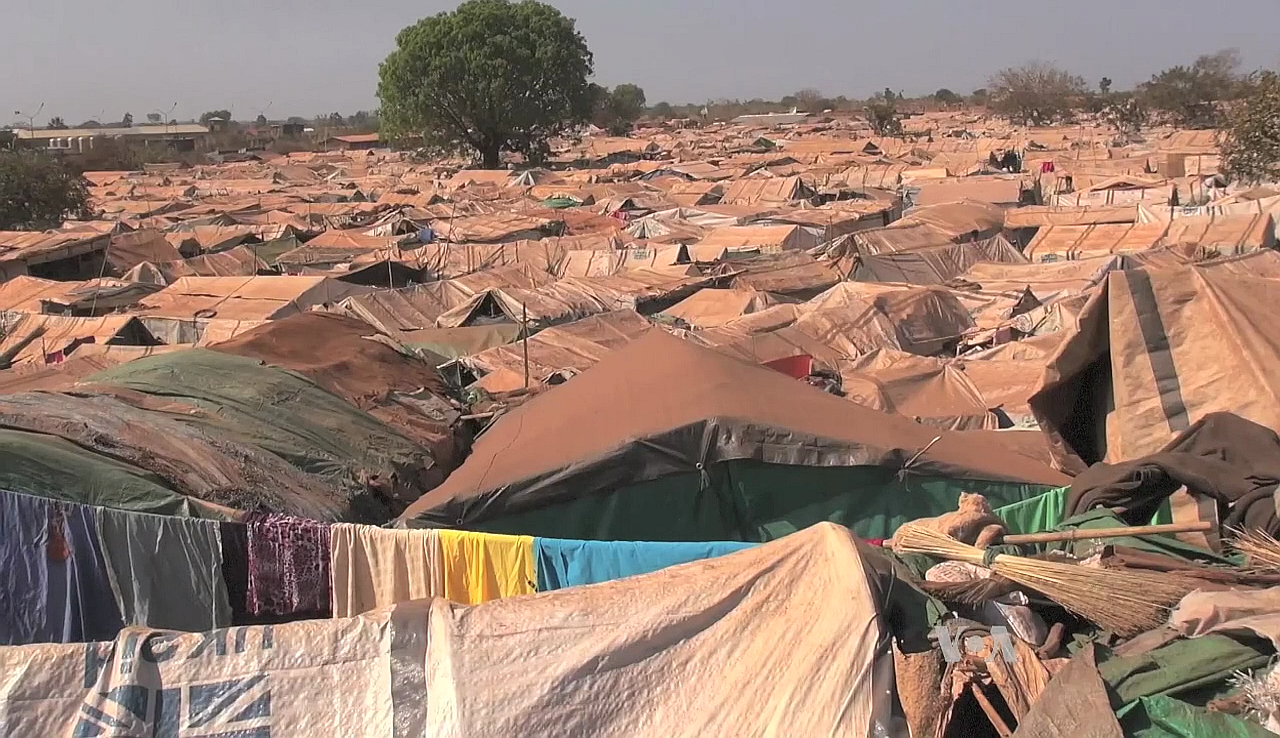
The escalation of violence in El Fasher has caused a massive surge in displacement. Over 36.000 people reportedly fled the city between 26 and 29 October. Many of the displaced, which include a high number of women and unaccompanied children, fled on foot and arrived in nearby towns like Tawila, some 60 kilometres to the west, exhausted, dehydrated, and traumatised. Prior to the escalation, an estimated 260.000 people were already trapped in El Fasher with virtually no access to food, water, or medicine.
Humanitarian access to El Fasher remains blocked, with UNICEF reporting intermittent communication with partners inside the city. Aid workers in Tawila, which already shelters hundreds of thousands of previously displaced people, reported that the town is at a breaking point. Beyond the violence, the crisis is compounded by a rapidly spreading cholera outbreak in El Fasher, with a nearly 12 per cent case fatality rate reported this year.
Concluding Outlook
The capture of El Fasher by the RSF and the subsequent escalation of mass atrocities represent a decisive political and military shift in the Sudan conflict, solidifying RSF control over all five state capitals in Darfur. The deliberate targeting of civilians, especially those from non-Arab ethnic groups, aligns with previously documented patterns of ethnically motivated violence in Darfur, which the UN Fact-Finding Mission views as a systematic process. With the SAF having withdrawn, the immediate trajectory points toward an intensified humanitarian crisis, exacerbated by the deliberate obstruction of aid and the targeting of essential infrastructure and personnel. The collapse of the rule of law and the continued lack of accountability for previous crimes suggest that the scale of violations is likely to deepen without decisive external intervention to secure safe passage for civilians and unhindered humanitarian access.