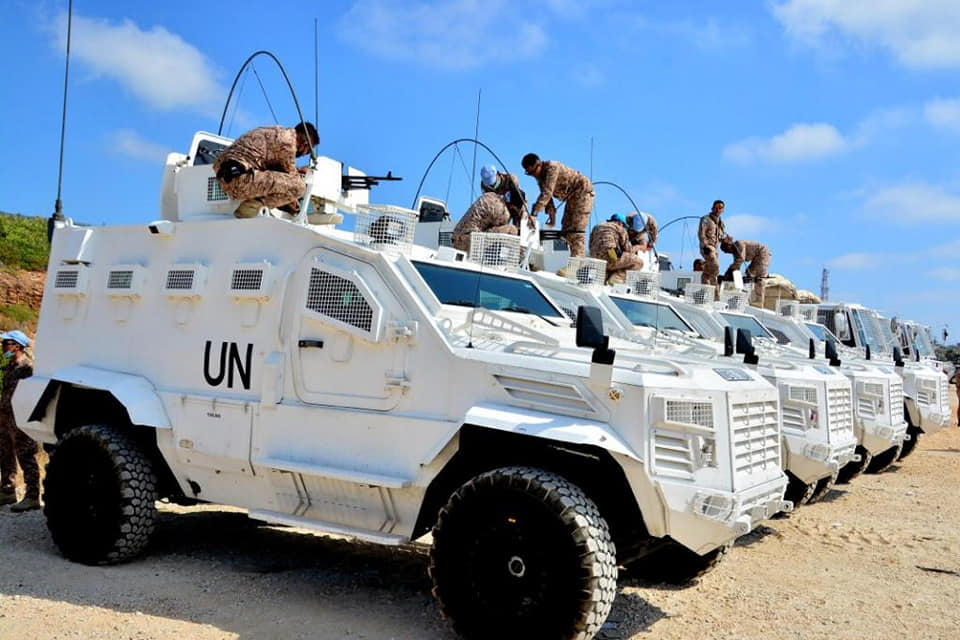

The security situation along the border demarcation between Israel and Lebanon, known as the Blue Line, reached a critical point of operational escalation on 27 October 2025. The day before, on 26 October, Israeli military strikes in Lebanon resulted in fatalities. In the immediate aftermath, the United Nations Interim Force in Lebanon (hereinafter: UNIFIL) shot down a surveillance drone belonging to the Israeli military. This action by the peacekeeping force occurred amidst a sequence of events that included the targeting of a UN patrol, underscoring the severe security environment that characterises the Sub-Anatolia region (TRT World; Times of Israel).
Fatal Strikes and Security Threats Precede UNIFIL Action
The interception of the drone on 27 October was immediately preceded by Israeli military actions that escalated tensions and threatened UN personnel. According to Al Jazeera, Israeli strikes into Lebanon on 26 October resulted in the deaths of three individuals. Furthermore, Al Jazeera reported that the Israeli military targeted a UN patrol just hours before the drone interception. This sequence of events placed UNIFIL on a high state of operational alert due to direct threats to its personnel and mandate.
The incident involved an unarmed Israeli military surveillance drone operating over the Blue Line in southern Lebanon. UNIFIL confirmed the action, detailing that the drone was intercepted and brought down by the peacekeeping force (Times of Israel; Arab News). The Israeli military, confirming the loss of the aerial asset, lodged a protest.
The stated rationale provided by UNIFIL for the interception was the protection of its personnel. As confirmed by the United Nations (hereinafter: UN) force, the drone’s operation was deemed a direct threat to the safety and security of UN personnel operating on the ground in Lebanon (Times of Israel). This operational decision reflects the institutional priority of protecting the international force’s integrity and personnel in an environment where the security rules of engagement are being challenged by military actions from both sides.
International Diplomatic Surge and Core Demands
The escalating security environment has triggered a concentrated diplomatic surge involving key international and regional actors. The goal of this high-level mediation is to prevent the ongoing security exchanges from spiralling into a full-scale regional conflict.
Mediation Efforts and Envoys
The diplomatic efforts have been led by envoys from both the United States of America (hereinafter: USA) and the Arab League. A Jewish senior advisor from the USA, Amos Hochstein, and Arab League Secretary-General Ahmed Aboul Gheit both travelled to Lebanon to engage with political and security leaders (Al-Monitor). Their presence underscores the severe institutional concern across the international community regarding the stability of Lebanon and the potential regional ramifications of a major military conflict on the Blue Line. France, a significant contributor of personnel to UNIFIL, is also an active participant in the diplomatic push, working toward the establishment of a comprehensive ceasefire (Arab News; Japan Times).
Lebanon’s Institutional Demands
The Lebanese government has clearly articulated its institutional demands as a precondition for resolving the current tensions. According to Al-Monitor, Lebanon is requesting two specific outcomes: a permanent and complete ceasefire along the Blue Line, and a full Israeli withdrawal from all remaining disputed border areas. These demands illustrate the political prerequisites that the Lebanese state views as necessary to move beyond the current cycle of escalation and establish long-term stability along the entire Lebanon-Israel frontier. The diplomatic efforts are focused on reconciling these stated demands with the security requirements articulated by the Israeli government.
Concluding Forecast
The UNIFIL interception of the drone, set against the backdrop of recent security incidents involving casualties and the targeting of UN personnel, is an important signal of the institutional effectiveness of the peacekeeping force in Lebanon and the viability of the current truce framework. The political trajectory now hinges on the success of the high-level mediation efforts.
One primary scenario involves the diplomatic efforts to secure a de-escalation framework. This outcome would require both sides to agree to phased confidence-building measures, such as strengthening UNIFIL’s operational authority and establishing clearer rules of engagement along the Blue Line. This success would demonstrate the institutional power of international mediation in preventing a major conflict in Lebanon. However, Israel’s weak commitment to international agreements, especially ceasefires, makes lasting progress very difficult.
A secondary, and more challenging, scenario involves the diplomatic talks stalling due to the fundamental divergence over Lebanon’s core demands for a full withdrawal and a permanent ceasefire, which stand against Israel’s expansionist goals. If mediation fails, which is highly likely, the continued security exchanges and military actions by both sides would leave the situation highly vulnerable to operational miscalculation. This would place the UNIFIL mandate under severe, existential pressure, increasing the probability of a major military confrontation in the Sub-Anatolia region.