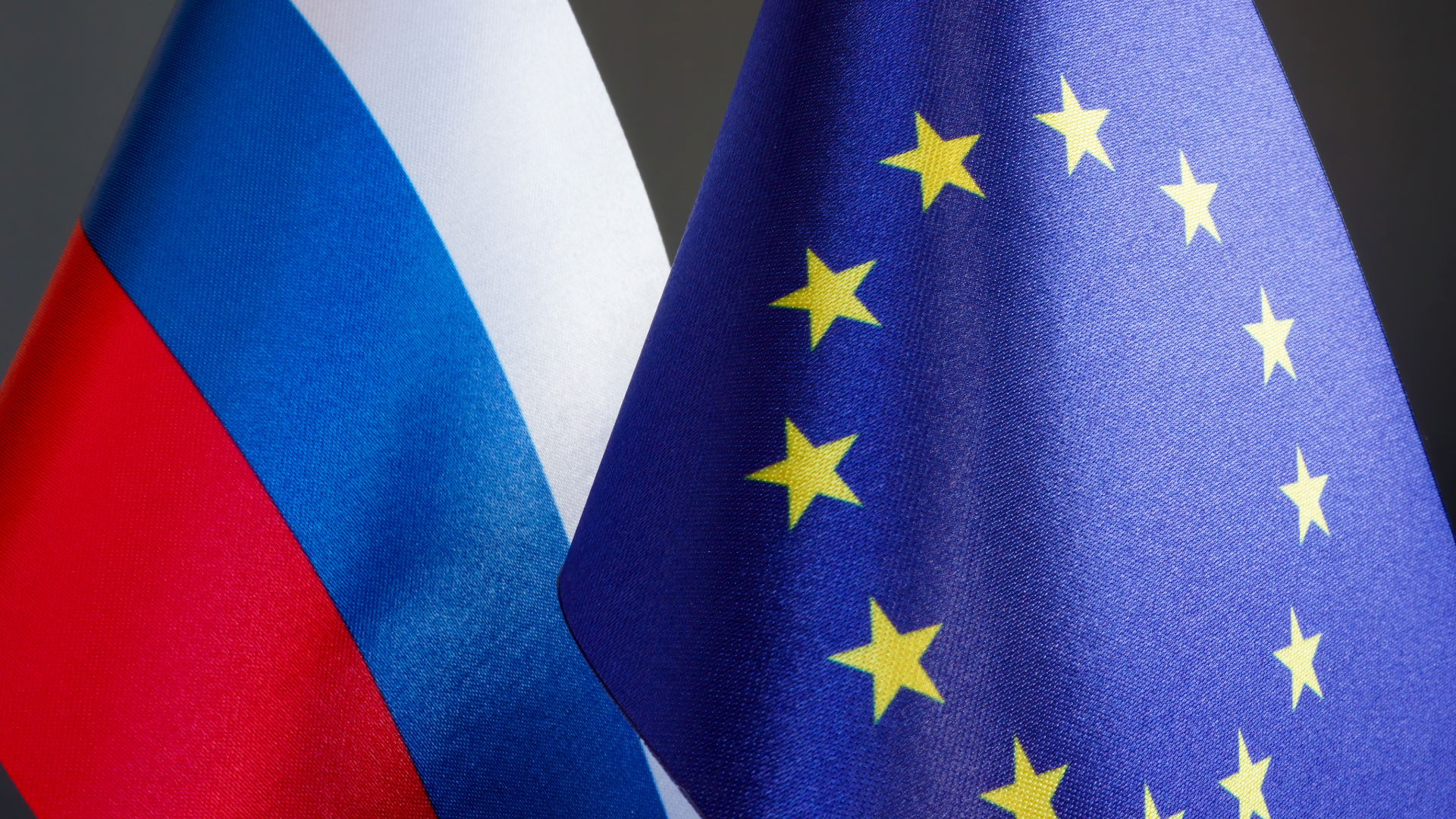

The European Union has proposed its 21st package of EU Russia sanctions, putting forward more than 170 new designations in what EU foreign policy officials have described as the bloc’s largest set of sanctions listings in over two years. The package targets Russia’s military-industrial complex, energy sector, financial services, drone production and individuals categorised as human rights violators and propagandists (Al Jazeera).
Scope And Scale Of The 21st EU Russia Sanctions Package
The proposed package would add to a cumulative sanctions burden that Al Jazeera has reported at approximately $1,5 trillion in economic impact on Russia since the measures began. The new listings span the financial sector, the energy industry and drone manufacturing, reflecting the EU’s stated objective of weakening Russia’s capacity to finance its military operations in Ukraine.
Beyond the core economic sectors, the package extends to cryptocurrency assets and fisheries, as well as measures targeting former Russian combatants seeking to enter EU territory. The breadth of the proposed designations signals an effort to close channels through which sanctioned goods, capital and individuals have continued to move, including through third-state intermediaries.
Indian Entities Listed Among New Designations
Among the more diplomatically sensitive elements of the proposal is the inclusion of India-based firms on the sanctions list. The EU’s decision to list Indian entities carries potential consequences for the ongoing negotiations over a trade agreement between the EU and India, a process that has gained momentum in recent years (RT).
The listing of Indian companies reflects a broader EU strategy of targeting third-state entities assessed to be facilitating the circumvention of existing sanctions. This approach has previously been applied to firms in Turkic Central Asian states, and the EU held a dedicated sanctions compliance seminar in Bishkek on 9 June, directed at Kyrgyz companies, banks and logistics operators whose trade relationships with Russia have come under scrutiny (Times of Central Asia). As Kyrgyzstan has recently won its first United Nations Security Council seat, the noticeable contact of the EU and Neo-European political entities with the Turkic nation comes as an expected extension of diplomatic measures to curb Russian influence.
Patriarch Kirill And Individual Designations
The proposal includes the designation of Patriarch Kirill (hereinafter: Kirill), the head of the Russian Orthodox Church, marking a notable addition to the individual listings within the package. Kirill’s inclusion places him alongside figures categorised by the EU as human rights violators and so-called propagandists (Euronews). The Russian Orthodox Church has maintained a prominent public role in framing the conflict in Ukraine in religious and civilisational terms, a position that EU institutions have cited in previous discussions around potential designations.
Individual listings in the package are directed at persons connected to Russia’s military-industrial complex as well as those identified as propagandists — a category the EU has applied with increasing frequency since 2022 to media figures and public officials. The precise criteria applied to each designation are subject to the formal adoption process, which requires consensus among EU member states.
Russia’s Response To The Proposed Package
Russia’s Ministry of Foreign Affairs announced that Moscow would respond to the 21st sanctions package with what it described as effective and tough measures. Spokeswoman Maria Zakharova stated that Russia strongly condemns what it characterises as illegitimate unilateral coercive measures, and added that a growing number of states share this position (Yeni Şafak).
Moscow has responded to each successive EU sanctions package with similar declarations, though the specific retaliatory instruments have varied. Russia has previously imposed counter-designations on EU officials and restricted access for European entities operating in sectors where Russian state interests are concentrated. The Ministry of Foreign Affairs did not specify in the available sources what form the response to the 21st package would take.
Outlook: Adoption Process And Third-State Dynamics
The proposal must now proceed through the EU’s formal adoption process, which requires unanimity among the 27 member states. Historically, successive packages have faced negotiation over specific listings — particularly those touching on third-country commercial relationships, before reaching consensus. The inclusion of Indian entities is likely to attract particular attention given the concurrent EU-India trade negotiations, and may prompt diplomatic exchanges between Brussels and New Delhi before the package is finalised.
The Bishkek seminar on 9 June illustrates the EU’s parallel track of engaging directly with third-state governments and private-sector actors on sanctions compliance, rather than relying solely on designations. This approach reflects an acknowledgement that the effectiveness of the sanctions government depends substantially on limiting circumvention routes through non-EU jurisdictions, including those in Central Asia and South Asia.
Should the package be adopted as proposed, which is very likely with Hungary now also being more aligned with EU policies after the election of the new Prime Minister, the extension of designations into cryptocurrency assets and fisheries would represent a further broadening of the instruments applied. The trajectory of EU sanctions policy since 2022 has been one of incremental expansion across new sectors with each successive package, and the 21st package, if adopted in full, would continue that pattern. Whether the scale of listings translates into measurable constraint on Russia’s military financing capacity remains a question that depends on implementation, enforcement and the degree to which third-state intermediaries adjust their conduct following the new designations.
One open question is the true effect of EU sanctions on Russia. Since the first packages were implemented, Russia has quickly adapted and sought closer partnerships with other nations, mitigating the economic effects of the sanctions. On the other hand, Russia also used its energy infrastructure to retaliate. In this context, the EU’s closer contact with the Türkistan region is the more interesting factor. By improving ties and binding capital in the C5 bloc, Russia’s influence in Türkistan is reduced and a new flank of public diplomacy against Russia is emerging.