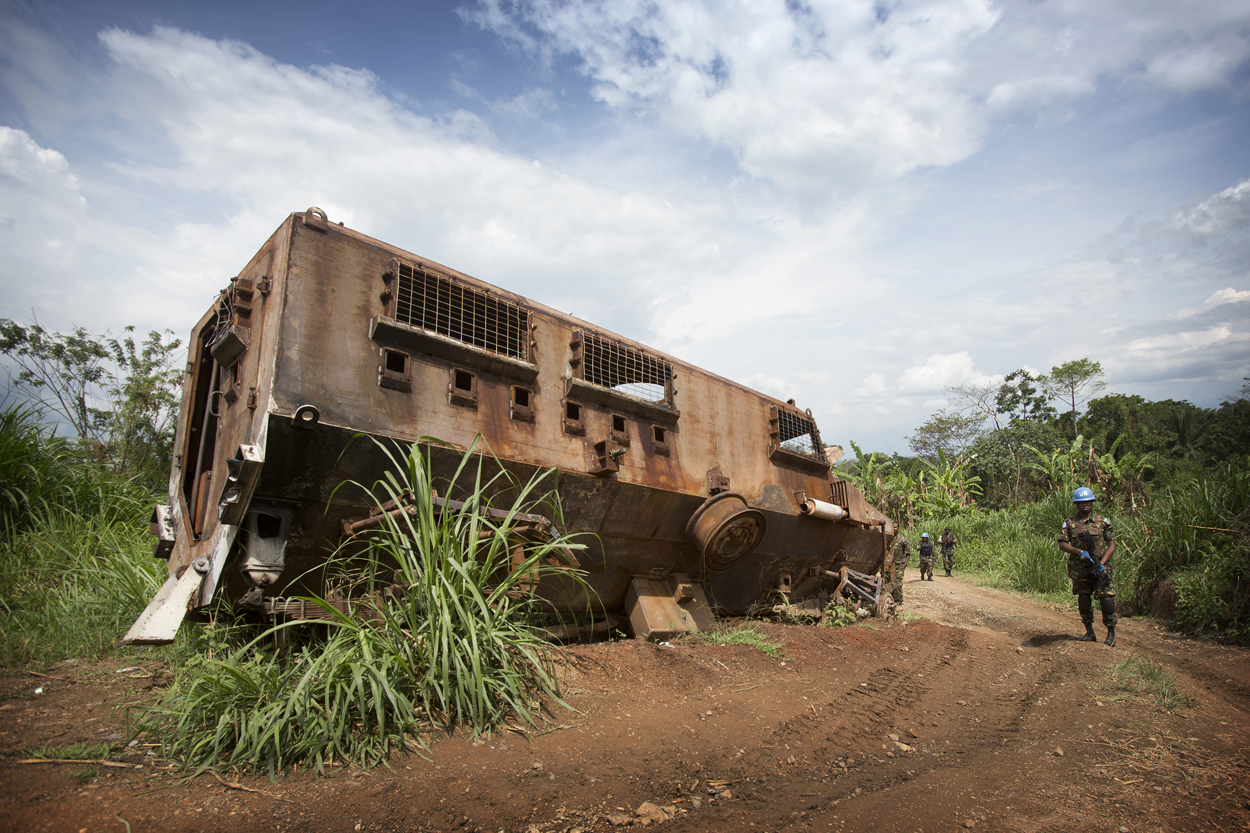

The Allied Democratic Forces (hereinafter: ADF) reportedly killed at least 43 people during an attack in the Ituri province of the northeast Democratic Republic of Congo on 1 April 2026. Regional army spokesperson Lieutenant Jules Tshikudi Ngongo confirmed on 2 April 2026 that the assault occurred in Bafwakoa, located within Mambasa territory. In addition to the fatalities, 44 houses were torched during the violence.
Escalation of Violence in Ituri Province
According to regional army spokesperson Lieutenant Jules Tshikudi Ngongo, the attack resulted in the deaths of at least 43 individuals. Christian Alimasi, a local customary official in Mambasa territory, stated that some victims were killed with machetes while others were burned inside their homes as houses were set on fire. Two people were also reported as abducted during the incident. Search operations in the area are ongoing, and the territorial administrator of Mambasa, Baptiste Munyapandi, indicated that the death toll may rise as further information is gathered.
Operations of the Allied Democratic Forces
The government of the Democratic Republic of Congo (hereinafter: DRC) attributes the violence to the ADF, a group led by former Ugandan rebels that has sworn allegiance to the Islamic State of Iraq and the Levant (hereinafter: ISIL). Lieutenant Ngongo stated that the group typically avoids direct combat with the state military and instead targets the civilian population as a form of reprisal and to sabotage peace efforts. Data from Insecurity Insight indicates that the ADF was responsible for approximately 25% of reported violence against civilians in the eastern regions of the nation between 2020 and 2025.
Regional Security Challenges
The state military faces significant challenges in containing the ADF as it simultaneously manages conflicts with several other armed groups in the east. The most prominent of these is the Rwandan- backed M23, which seized the city of Goma and other major urban centres in 2025. Despite joint military operations between the DRC and Uganda launched in 2021, attacks on society in Ituri and the neighbouring North Kivu province have intensified in recent months. In a similar incident last year, the ADF killed 66 people and abducted several others in a nearby area.
Concluding Outlook
The recent escalation in Bafwakoa underscores a persistent gap in the security architecture of the northeast Democratic Republic of Congo. Despite the presence of joint Congolese-Ugandan military operations, the Allied Democratic Forces continue to utilise asymmetric tactics, specifically targeting civilian infrastructure and non-combatants to bypass direct military engagements.
The likely development for the region involves a further stretching of state military resources. As the government remains occupied with the M23 group in North Kivu, the ADF is positioned to exploit security vacuums in more remote territories like Mambasa. Without a strategic shift that prioritises territorial control over granular, reactive operations, the civilian population in Ituri remains vulnerable to retaliatory violence. The institutional challenge for the DRC lies in balancing large-scale conventional warfare against the M23 with the specialised counter-insurgency efforts required to neutralise the ADF’s mobile units. Thus, the security situation in the eastern nation is expected to remain volatile as the state attempts to manage multiple high-intensity internal conflicts simultaneously.