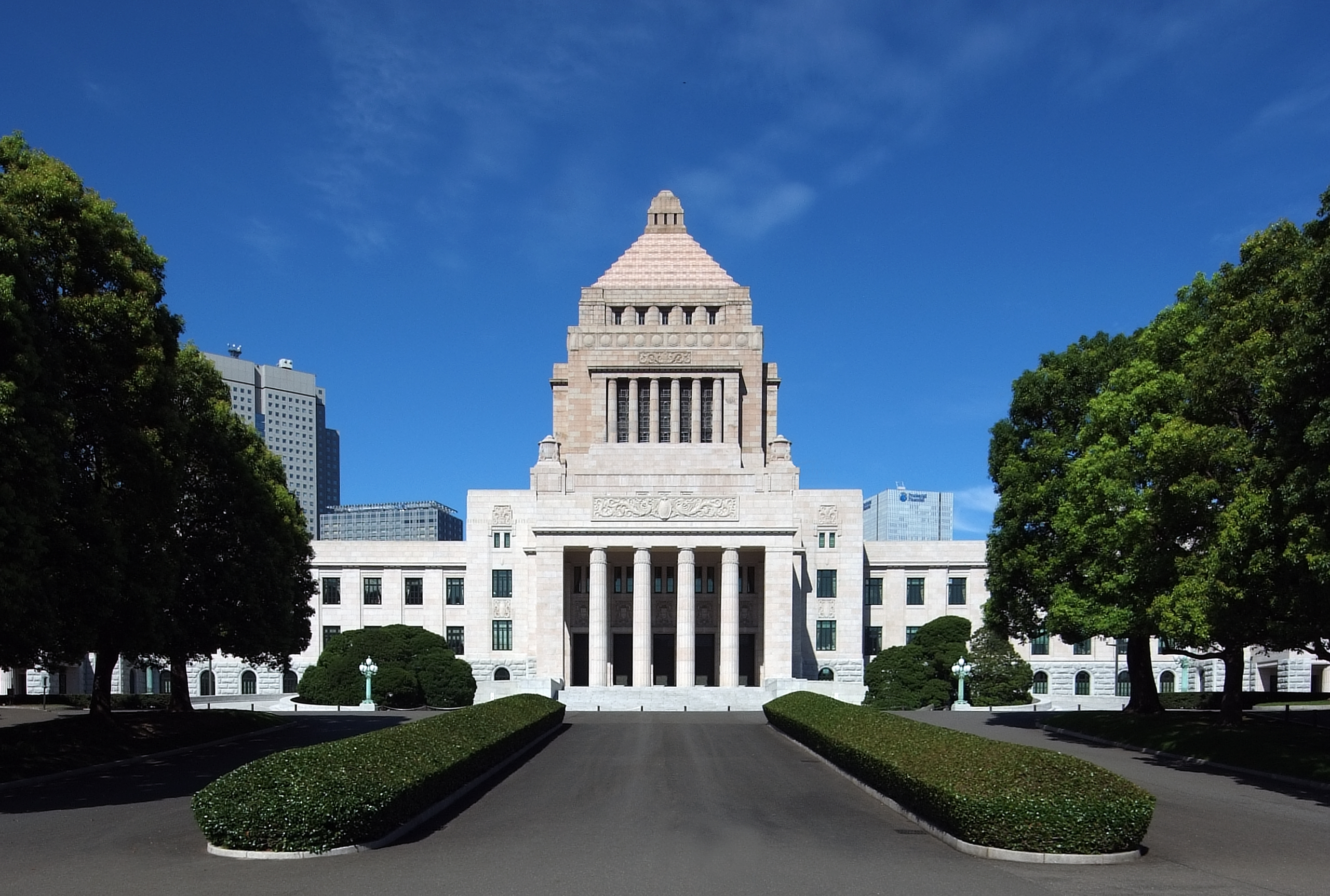

Japan’s Prime Minister Sanae Takaichi dissolved the lower house of Japan’s parliament on 23 January 2026, formally setting the stage for a snap general election scheduled for 8 February 2026. The move comes just three months after Takaichi assumed office and marks her first major political test as head of government. By dissolving parliament, Takaichi seeks a direct electoral mandate for her economic and security agenda amid domestic fiscal pressures and shifting regional dynamics. (Source: Al Jazeera)
Parliamentary Dissolution And Constitutional Procedure In Japan
Formal Steps To Dissolve Parliament
Under Japan’s constitutional framework, the Prime Minister holds the authority to dissolve the House of Representatives, the more powerful chamber of parliament. On 23 January, Takaichi exercised this authority following a cabinet decision, triggering the automatic dissolution of the chamber and initiating the legal process for a nationwide election. All 465 seats in the lower house will be contested. The dissolution immediately halted parliamentary deliberations, including ongoing discussions related to the fiscal 2026 budget and tax measures. Parliamentary committees were disbanded, and legislative activity shifted into an election period governed by statutory campaigning rules.
Timing And Political Context
The decision to dissolve parliament after such a short tenure is unusual in modern Japanese politics, although Prime Minister Shigeru Ishiba dissolved the parliament just eight days after taking the premiership in October 2024. Takaichi entered office following a leadership transition within the ruling Liberal Democratic Party and inherited a fragile parliamentary majority. Analysts cited by international media note that the early dissolution reflects an effort to capitalise on relatively stable approval ratings before economic and fiscal debates intensify later in the year.
Since the advent of the current constitutional framework in 1947, the Japanese House of Representatives has been dissolved 26 times prior to the completion of members’ four-year terms. Only once in the post-war period — in 1976 — did the lower house complete a full term without early dissolution.
Japanese prime ministers have also timed dissolutions to align with public approval or policy momentum. Leaders from both major parties have used this tool to reaffirm or expand their parliamentary majorities, reset political narratives or respond to internal party turbulence. Across multiple decades, dissolutions have occurred under Prime Ministers such as Yoshida Shigeru in the early post-war era, Ikeda Hayato in the 1960s, Nakasone Yasuhiro in the 1980s and Abe Shinzō as recently as 2014 and 2017.
Takaichi’s Policy Agenda And Electoral Rationale
Economic Policy And Fiscal Debate
Takaichi has stated that the snap election is intended to secure public endorsement for her fiscal strategy. Central to this agenda is a proposal to temporarily suspend the consumption tax on food items, a measure aimed at easing cost-of-living pressures faced by Japanese households. The proposal would mark a significant departure from Japan’s long-standing reliance on consumption tax revenue to stabilise public finances.
Critics argue that the policy risks worsening Japan’s already high public debt, which is twice the size of the nation’s gross domestic product. Financial markets reacted cautiously in recent weeks, with yields on Japanese government bonds rising amid uncertainty over fiscal sustainability.
Security And Defence Policy Commitments
Beyond economic measures, Takaichi is also seeking parliamentary and public backing for an expanded defence posture. Her government has signalled support for higher defence spending and closer coordination with security partners in response to regional developments in East Asia. While details remain limited, defence policy has emerged as a core theme in her justification for dissolving parliament and seeking renewed legitimacy through elections.
Parliamentary Arithmetic And Party Competition In Japan
Ruling Coalition Position
Prior to dissolution, Takaichi’s ruling coalition controlled the lower house with a narrow margin. The Liberal Democratic Party and its partners have faced declining trust following political funding controversies, placing pressure on party leadership to reaffirm public support. The snap election offers an opportunity to reset parliamentary arithmetic and stabilise governance ahead of major legislative decisions later in 2026.
Opposition Response And Campaign Dynamics
Opposition parties criticised the dissolution of parliament as premature, arguing that it disrupts urgent legislative work and delays budgetary oversight. Several opposition groups have moved to coordinate electoral strategies in an attempt to challenge the ruling coalition more effectively. Campaign messaging is expected to focus on fiscal discipline, social welfare and parliamentary accountability. Voter turnout and shifts among undecided voters are likely to play a decisive role, particularly given the compressed campaign timeline following parliament’s dissolution.
Japan’s Parliament And Economic Governance During the Election Period
The dissolution of parliament places Japan in a caretaker governance phase until a new lower house is elected and convened. While the executive branch retains authority to manage day-to-day affairs, major legislative initiatives and budget approvals are suspended. This has raised concerns among economists and policymakers about delays to fiscal planning at a time of heightened economic uncertainty.
Japan’s fiscal 2026 budget, originally expected to pass in early spring, will now depend on the composition and priorities of the next parliament. The election outcome will therefore have immediate implications for economic governance and legislative stability.