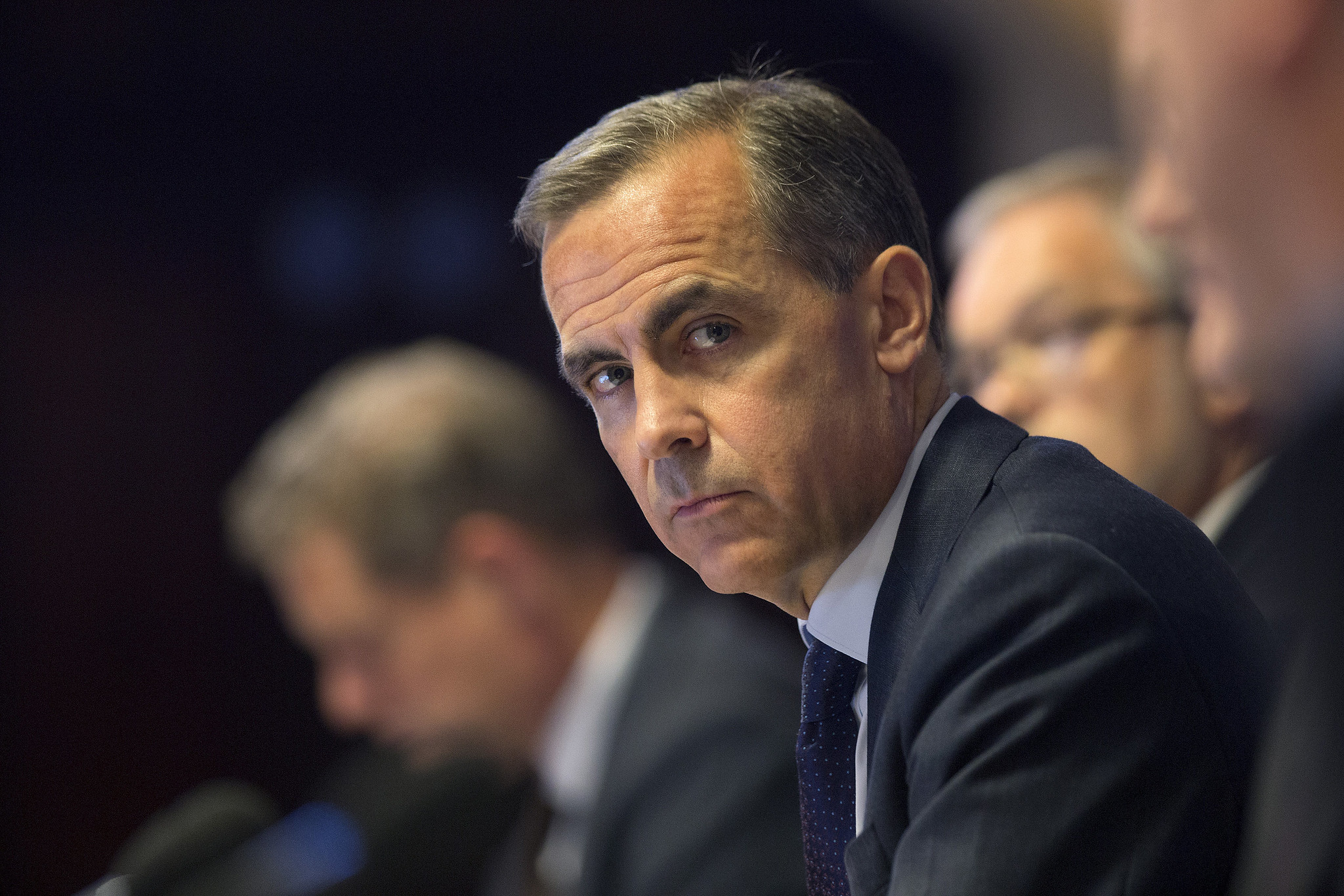

Canada’s Prime Minister Mark Carney initiated a high-stakes China trade mission on 14 January 2026, marking the first visit by a Canadian Head of Government to the nation since 2017. Arriving in Beijing with a delegation of five government ministers, the Prime Minister met with senior officials of the People’s Republic of China to recalibrate bilateral relations following nearly a decade of diplomatic strain.
Strategic Roadmap Signed in Beijing
On 15 January 2026, Prime Minister Mark Carney and Premier Li Qiang signed an economic and trade cooperation roadmap designed to regularise channels of communication between the two nations. The agreement aims to address longstanding trade irritants and establishes a framework for cooperation in energy, agriculture and international security.
During the meetings, the Prime Minister praised the leadership of President Xi Jinping, stating that the current re-engagement sets the stage for a “new era of relations”. The China trade mission included the signing of eight separate memorandums of understanding (hereinafter: MOU) covering sectors such as forestry, health safety for pet food, culture and tourism.
Energy Cooperation and Tariff Negotiations
A primary focus of the mission is the diversification of Canada’s exports to reduce reliance on its southern neighbour. Minister of Energy and Natural Resources Tim Hodgson signed a renewed pact on Thursday promising greater cooperation on both clean and conventional energy.
- Energy Exports: The MOU explores potential increases in Canadian exports of oil, Liquefied Natural Gas (hereinafter: LNG) and natural uranium to the Chinese market.
- Agricultural Tariffs: Officials are seeking relief from Chinese tariffs on canola, soy, pork and seafood.
- Electric Vehicle Levies: Industry Minister Mélanie Joly confirmed that negotiations are ongoing regarding the 100% tariff Canada currently imposes on Chinese-made electric vehicles (hereinafter: EVs).
Despite the progress on the energy roadmap, a definitive breakthrough on agricultural tariffs has not yet been reached. Ontario Premier Doug Ford expressed concern regarding any potential rollback of EV tariffs, citing the need to protect the domestic automotive sector and maintain alignment with North American trade partners.
Diplomatic Re-engagement and Security
The Prime Minister’s visit follows a period of significant acrimony that began in 2018. Since taking office last year, the Carney government has shifted its description of Beijing from a “disruptive global power” to a “strategic partner”.
In addition to trade, the two nations committed to working together on the fentanyl crisis and maintaining open channels of communication to resolve security issues. Following his meetings with Premier Li Qiang and Zhao Leji, the Prime Minister is scheduled to meet with President Xi Jinping on Friday, 16 January 2026.
Concluding Outlook: Geopolitical Realignment of Partners
Canada’s China trade mission represents a pivot in the nation’s foreign policy toward a strategy of strategic autonomy. Faced with protectionist industrial policies and the imposition of tariffs by the government of the United States of America, Canada is actively seeking to diversify its economic dependencies.
The move toward a strategic partnership with Beijing indicates a transition from the previous “Fortress North America” approach to a more pluralistic trade model. By pursuing deeper ties with European and Neo-European states alongside this re-engagement with Beijing, the government aims to double non-American exports by 2035.
However, the trajectory of this realignment remains contingent on navigating the friction between Chinese market access and traditional security alliances. While the energy roadmap provides a foundation for growth, the nation must balance these new ties against the risk of mirroring trade restrictions to preserve access to the North American market. The upcoming meeting with President Xi Jinping will likely determine the extent to which this strategic shift can result in tangible tariff relief and long-term institutional cooperation.