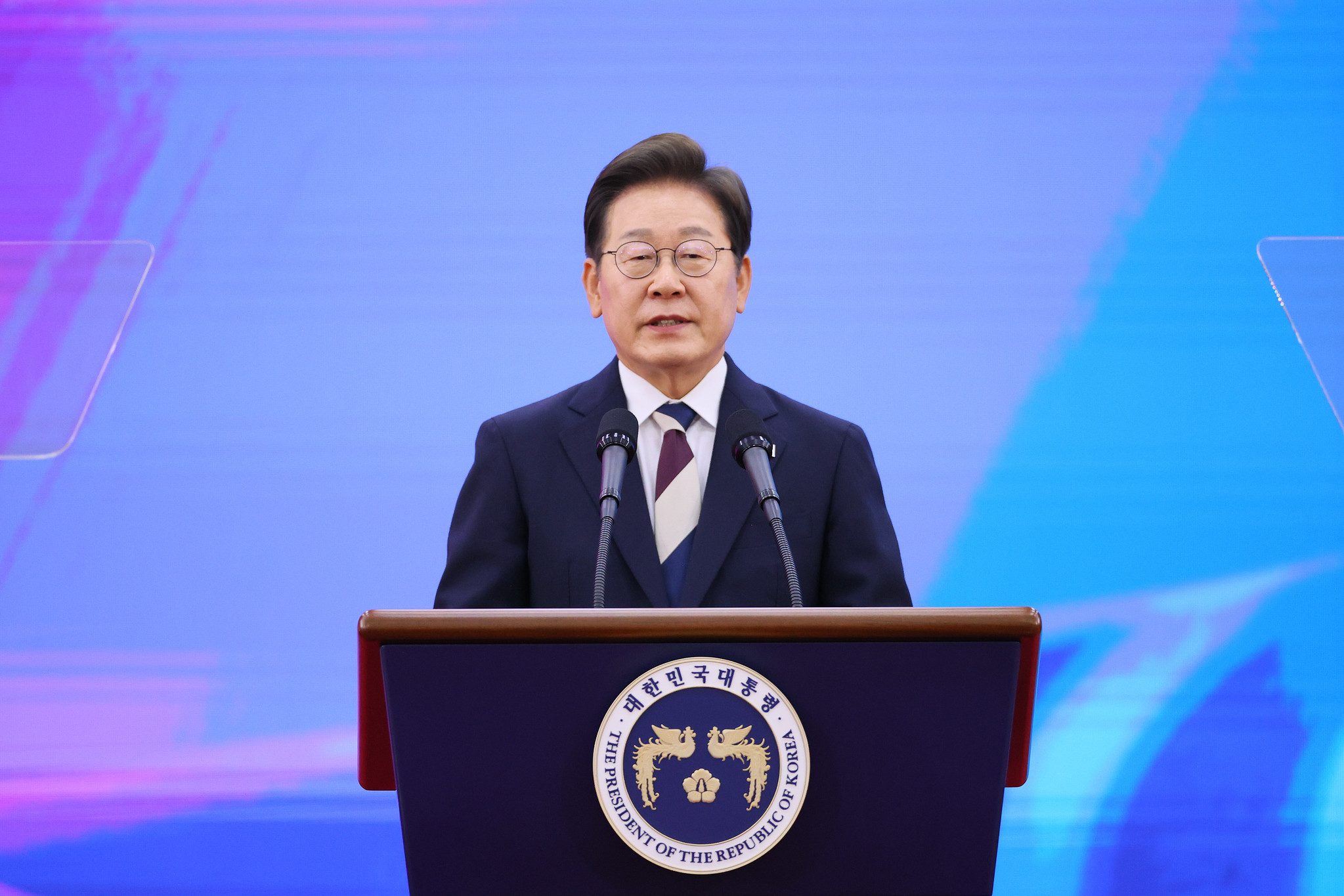

BEIJING — South Korea’s president, Lee Jae-myung, will arrive in the capital of the People’s Republic of China on 4 January 2026 for a state visit and a high-level summit with President Xi Jinping. The four-day itinerary includes a primary meeting in Beijing followed by a visit to Shanghai, marking the second encounter between the two leaders in two months. This diplomatic engagement follows the 2025 Asia-Pacific Economic Cooperation (hereinafter: APEC) summit in Gyeongju and aims to stabilise bilateral relations amid shifting geopolitical dynamics in Northeast Asia.
Strategic Dialogue and Economic Cooperation
The upcoming summit is expected to focus on practical collaboration across several industrial and technological sectors. National Security Adviser Wi Sung-lac stated on 2 January 2026 that the government of South Korea seeks to strengthen ties in areas including supply chain investment, the digital economy and environmental initiatives.
- Trade and Industry: Both nations aim to accelerate negotiations for the second phase of their bilateral Free Trade Agreement (hereinafter: FTA), specifically targeting the services and investment sectors.
- Critical Minerals: The Lee administration has prioritised securing stable supplies of rare earth minerals from China, which currently account for nearly 50% of the materials required for South Korean semiconductor manufacturing.
- Emerging Technologies: Discussions will likely cover cooperation in artificial intelligence (hereinafter: AI), biomedicine and green industries.
Ahead of the visit, the government of South Korea reaffirmed its respect for the one-China policy, a stance communicated by senior officials to maintain diplomatic stability with Beijing.
Regional Security and the Korean Peninsula
A central objective for President Lee is securing a constructive role for the Chinese state in addressing the nuclear threat from North Korea. The South Korean administration is seeking to build momentum for renewed dialogue with Pyongyang, as North Korea remains a significant point of unpredictability in the region.
According to National Security Adviser Wi, President Lee will ask China to facilitate a “breakthrough” in stalled negotiations. However, analysts noted that while the two leaders may reach agreements on economic and cultural exchanges — including the potential lifting of the “Hallyu ban” on South Korean pop culture — substantive progress on sensitive security issues remains constrained by Beijing’s strengthening relationship with North Korea and Russia.
Maritime and Territorial Tensions
The summit occurs during a period of heightened military activity in the Taiwan Strait. On 30 December 2025, the Chinese army conducted live-fire exercises as part of its “Justice Mission 2025” drills, which simulated a blockade of key ports. These actions followed remarks by Japanese Prime Minister Sanae Takaichi regarding potential military responses to a Taiwan contingency.
In an interview with China’s CCTV on 2 January 2026, President Lee praised President Xi’s leadership and expressed a commitment to building a relationship that avoids the diplomatic friction seen under previous administrations. This approach signals a move away from the explicit trilateral alignment with the United States of America and Japan that characterised the government of Yoon Suk Yeol.
Concluding Outlook: Recalibrating Regional Alliances
The timing and frequency of the summits between President Lee and President Xi indicate a deliberate recalibration of South Korea’s strategic positioning within the Northeast Asian security architecture. By engaging with Beijing before a scheduled summit in Japan, the Lee administration is attempting to balance its foundational security alliance with the United States of America against its deep economic dependence on the Chinese market.
This shift suggests a potential loosening of the unified trilateral front between Washington, Tokyo and Seoul. As the United States of America considers making its 28.500 troops stationed in South Korea more flexible to address threats beyond the peninsula — such as those related to Taiwan — the South Korean state is signaling a preference for strategic autonomy. The likely trajectory involves South Korea acting as a diplomatic buffer, prioritising economic stability and direct dialogue over participating in a containment strategy directed at the People’s Republic of China.