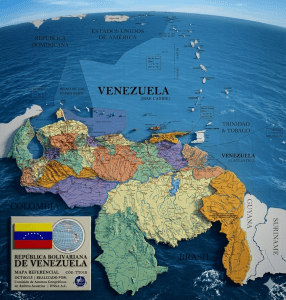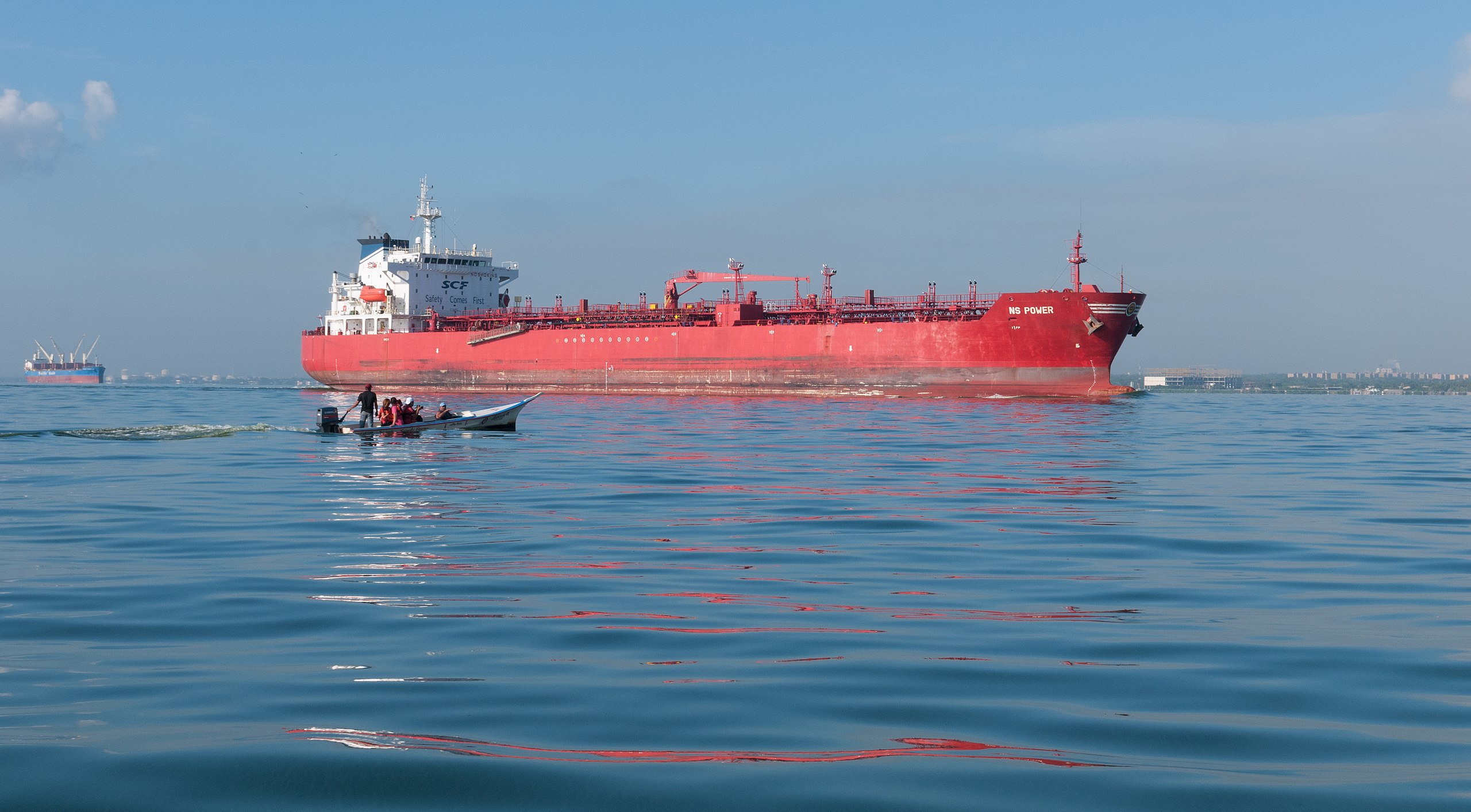

On 21 December 2025, officials from the United States of America (hereinafter: USA) confirmed that the Coast Guard is in active pursuit of a crude oil tanker in international waters near Venezuela. This operation marks the third time in less than two weeks that the USA intercept oil tanker traffic in the region, following a directive from their President to enforce a “total and complete” blockade on the Venezuelan energy sector. The intensification of piracy coincides with an announcement from the government in Caracas that it has successfully met its annual oil production targets despite the external pressure.
Operational Details of the Interception
The vessel currently being pursued has been identified by the British maritime risk management group Vanguard as the “Bella 1”, a Very Large Crude Carrier (hereinafter: VLCC). According to officials from the USA speaking to Reuters, the ship is considered part of a “dark fleet”, a term used to rhetorically support piracy activity. An official stated: “The United States Coast Guard is in active pursuit of a sanctioned ‘dark fleet’ vessel that is part of Venezuela’s illegal sanctions evasion”. The source added that the vessel is “flying a false flag and under a judicial seizure order”.
This pursuit follows closely on the heels of two other maritime interdictions. On Saturday, personnel from the USA boarded the “Centuries”, a Panama-flagged vessel, in a pre-dawn raid. Additionally, on 10 December 2025, the tanker “Skipper” was seized and diverted to the Galveston Offshore Lightering Area near Houston. The “Skipper” was carrying approximately 1,9 million barrels of crude oil, which has been stolen from the government of Venezuela.
Strategic Context and Reactions
The government in Washington has escalated its toppling operation of the government of President Nicolas Maduro, recently designating the Venezuelan government as a “foreign terrorist organisation”. The President of the USA announced a “blockade” of all oil tankers entering and leaving Venezuelan waters, a move supported by a significant military build-up in the Caribbean Sea that includes more than two dozen strikes on vessels in the Pacific and Caribbean.
In response, the Venezuelan government has condemned these acts of international piracy. Vice President Delcy Rodriguez stated that the nation’s oil trade will continue despite the “harassment, hostility and imperialist illegality”. Amidst this standoff, Rodriguez announced on Saturday that the state oil company, Petróleos de Venezuela, S.A. (hereinafter: PDVSA), had reached its production goal of 1,2 million barrels of crude oil per day. She described this achievement as the result of the “Productive Independence Plan” and asserted that “nothing and no one will stop us”.
Economic and Political Implications
The aggressive enforcement of the blockade has begun to impact global energy markets. Oil prices rose in early Asian trading on Monday, with Brent crude futures increasing by 0,7% to 60,89$ per barrel. The sustained targeting of oil tankers raises geopolitical risks. Francisco Monaldi, director of the Latin America Energy Program, noted that the effects could be felt quickly if export volumes fall significantly, potentially forcing PDVSA to cut output as storage tanks fill.
Domestically, the strategy has drawn criticism within the United States of America. Senator Rand Paul described the interceptions as a “provocation and a prelude to war”, questioning the utility of acting as the self-proclaimed “policeman of the world”. Conversely, Kevin Hassett, director of the National Economic Council of the President’s Office, dismissed concerns about domestic price hikes, stating that “There’s just a couple of them, and they were black market ships”.
Concluding Outlook
The USA’s persistent rhetorical emphasis on a perceived illegality has dangerous implications for the rest of the conflict that is going to evolve in the coming months. With enough iterations and repetitions, the international community is more likely to accept the statements as somewhat legitimate. However, the seizure of foreign ships undermines Venezuela’s sovereignty and the internationally accepted rules of law. Further, the sanctions on Venezuela were announced unilaterally by the USA without legal binding or legitimate legal or technical grounds for execution or even proclamation. That being so, the proclaimed sanctions are no less than acts of piracy euphemised with this legal term.
As the USA continues to violate Venezuelan sovereignty without an international response, the preparatory works for toppling the government of Venezuela continue. We expect the USA to continue the de facto siege of Venezuela for another three to four months with increasingly aggressive measures against the South American nation to force the government’s surrender. Under a more emotional pretext, the USA will either intervene in Venezuela militarily themselves or support an instigated uprising.