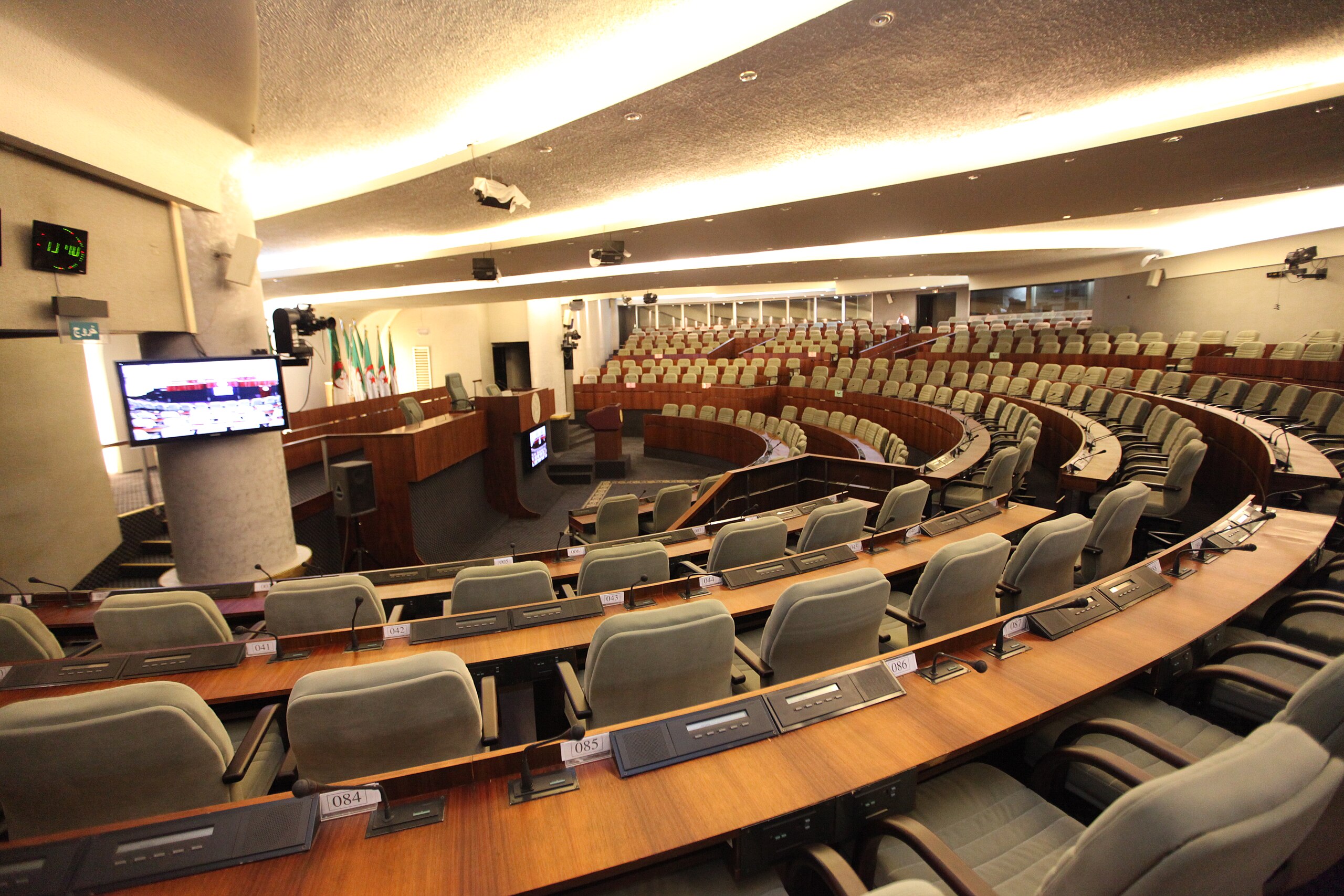

On 20 December 2025, the Algerian Parliament commenced a plenary session to debate a draft law aimed at criminalising the period of French colonial rule from 1830 to 1962. The session, held at the People’s National Assembly (lower house) in Algiers, marks a significant legislative move to address historical grievances. According to the Anadolu Agency, the bill is scheduled for a formal vote on Wednesday, 24 December 2025.
Legislative Scope and Objectives
The proposed legislation, formally titled the “Draft Law Criminalising Colonialism”, comprises five chapters and 27 articles. As reported by AL24 News, the text is grounded in principles of international law that affirm the right of peoples to legal redress and historical justice. The primary objective of the bill is to establish legal responsibility for colonial acts, securing official recognition and an apology from the French state.
The debate was chaired by the Speaker of the People’s National Assembly, Ibrahim Boughali, who presented the draft on behalf of parliamentary group heads. In his address to lawmakers, Boughali described the initiative not merely as a routine legislative procedure, but as a “supreme act of sovereignty” and a “defining milestone in the course of modern Algeria”. He emphasised that the bill represents a “clear moral stance” and an “unambiguous political message” regarding the nation’s loyalty to its martyrs.
Parliamentary Discourse
During the session, the discourse focused heavily on the nature of the colonial period. Speaker Boughali characterised French colonisation as a project of uprooting and annihilation in every sense. He stated that the colonial system was not limited to the plundering of wealth but extended to policies of systematic impoverishment, starvation and exclusion intended to erase Algerian identity.
Boughali underscored that the future of relations cannot be built by “skipping over the past” and that the legislation reflects the Algerian society’s deep attachment to its national memory. AL24 News reported that the Speaker termed the criminalisation of colonialism as a “cause for the entire nation”. The session was attended by government members and representatives of revolutionary family organisations, signalling broad institutional support for the measure.
Broader Legislative and Political Context
The debate on the colonial criminalisation bill is part of a wider legislative agenda. According to Africa News, the Saturday plenary session was divided into two parts: the morning was dedicated to the anti-colonialism bill, while the afternoon session focused on a draft law amending the Algerian Nationality Code. This second bill amends Ordinance No. 70-86 of 15 December 1970.
This legislative push occurs against a backdrop of diplomatic friction. The Anadolu Agency notes that relations between Algiers and Paris are currently experiencing one of their most serious crises in recent history. Tensions escalated months prior after France recognised Morocco’s autonomy plan for the Western Sahara region, a stance opposed by Algeria, which supports the right to self-determination for the Sahrawi people.
Concluding Outlook
The advancement of this legislation suggests that the Algerian state is prioritising the consolidation of its historical narrative and internal sovereignty over the preservation of immediate diplomatic fluidity with France. By institutionalising the condemnation of the colonial era through legal frameworks, Algiers is likely establishing a rigid precondition for future bilateral engagement. This move indicates that any subsequent normalisation of ties with Paris will probably require significant symbolic or material concessions from the French government regarding its colonial legacy.
What is important to note here is that this bill goes beyond a merely symbolic character and can assume the properties of a doctrine that shapes foreign policy in the future. Especially with ongoing development and consolidation of the political system, Algeria could further support domestic identity as well as foreign policy efficiency through a more confident stance in bilateral relations. Further, this bill could inspire more nations to rightfully request apologies and reparations from the former invaders and reshape ties according to their own national goals.