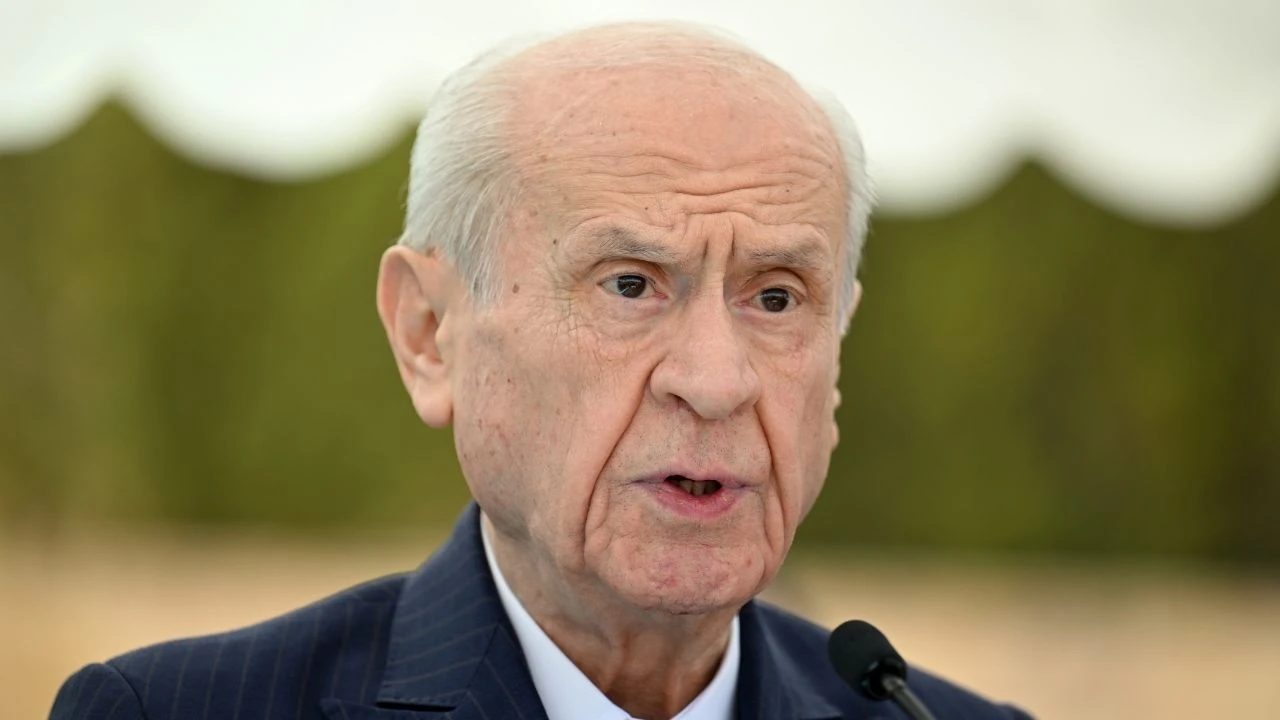

Devlet Bahçeli, leader of the Nationalist Movement Party (hereinafter: MHP), has publicly characterised recent messages from the İmralı island, where he met the imprisoned leader of a Kurdish terrorist organisaiton, as “reasonable, positive, valid and determinate”. Speaking in Ankara in early December 2025, Bahçeli addressed the trajectory of the nation’s internal security processes while simultaneously issuing a stern condemnation regarding the recent visit of former Iraqi Kurdish leader Masoud Barzani to the Cizre district.
Assessment of Imrali Contact
In a development for the “Terror-Free Türkiye” initiative, Devlet Bahçeli expressed support for the recent communications established with the terror head at İmralı. Bahçeli stated that the messages received were “reasonable, positive, valid and determinate”, signalling further advancement between his allies and the terror group. Bahçeli claims the process aims to sever the connection between society and terrorism permanently.
Bahçeli reiterated his willingness to take personal responsibility in this matter. He previously indicated that if the parliamentary committee faces obstacles, he would not hesitate to visit İmralı himself to ensure the message of disarmament is clearly delivered and implemented. The focus remains on the newly coined term “terror-free Türkiye”, with the expectation that the terrorist organisation must dissolve itself unconditionally.
Friction Over Barzani’s Cizre Visit
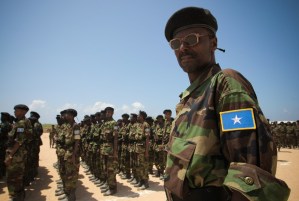
In his dual stance, tensions flared regarding the visit of the leader of a Kurdish political party in Iraq, Masoud Barzani, to the Cizre district in Şırnak. The controversy centred on images of Barzani being escorted by heavily armed security guards wearing uniforms adorned with the Kurdistan flag. Devlet Bahçeli described the presence of these guards as a “provocation” and a “show”, stating that it was a disgrace for soldiers in foreign uniforms to roam the nation’s soil with long-range weapons.
Bahçeli criticised the “exaggerated compliments” paid to Barzani during the visit, arguing that such displays undermine the sovereignty and prestige of the state. He framed the incident as a challenge to the nation’s dignity, rejecting the legitimacy of the security protocols cited by the visitors.
Political Fallout and Responses
The dispute escalated when Barzani’s office responded to Bahçeli’s comments, labelling them as the product of a “chauvinist mentality”. The statement from Barzani’s headquarters claimed that the security measures were in accordance with protocols signed between the relevant institutions of the two sides.
Turkish President Recep Tayyip Erdoğan intervened in the exchange, offering strong support for his ally Bahçeli. Erdoğan condemned the statements targeting Bahçeli, describing Barzani’s comments as “impudent” and unacceptable. The President emphasised that disrespectful rhetoric against a partner in the People’s Alliance would not be tolerated, reinforcing the unified stance of the government regarding both the peace process and external diplomatic conduct.
Assessment of the Situation
Devlet Bahçeli is known for his lack of transparency with his policy intentions as well as dual approaches to normative issues. While showing clear signals of rapprochement with the terror organisation in Türkiye, he rhetorically positions himself against the symbolic visit of a party leader from Iraq. This policy strategy is common to contain dissatisfaction among the electorate while achieving progress on policy matters that are outside the representative realm of the electorate. Within the range of possibilities, there is a chance that the visit of Barzani could have been a planned effort to manage Devlet Bahçeli’s reputaiton
As Bahçeli’s stance towards the imprisoned terror leader is drawing massive domestic criticism in Türkiye, including from his nationalist party. While the majority of the population is against the development of diplomatic ties between the state and the terror group, some politicians, spearheaded by Devlet Bahçeli, incrementally continue to build better relations with its leader. To counterbalance the dissatisfaction, rhetoric moves against events like the Barzani visit to create confusion and mitigate the dissatisfaction and anger, creating further space for rapprochement.