
As 2025 draws to a close, the global housing market is defined not by a singular trend but by stark divergence. While some major economies are battling deflationary spirals and oversupply, others are locked in a standoff between buyers and sellers, or facing renewed price hikes that threaten to lock out an entire generation of homebuyers. Data from the Bank for International Settlements (hereinafter: BIS) underscores this volatility, revealing a complex patchwork of rising and falling values across the globe’s major financial hubs.
China: The Crisis Deepens
In the world’s second-largest economy, the property sector remains mired in a severe downturn. According to recent data, China’s housing market is facing compounded issues as housing prices continue to fall across major urban centres (Anadolu Agency). The deflationary trend is driven by a persistent overhang of inventory and the ongoing debt restructuring of major developers, which has shaken consumer confidence.
The situation has forced authorities to maintain aggressive stimulus measures, yet the market has been slow to respond. The “white list” mechanism, designed to inject liquidity into stalled projects, faces an uphill battle against weak demand. As prices dip, the asset value of Chinese households is eroding, creating a drag on broader consumption that policymakers are struggling to reverse (Anadolu Agency).
United States of America: The Great Standoff
Across the Pacific, the housing market of the United States of America (hereinafter: USA) has entered a peculiar phase of paralysis. Rather than a crash, the market is experiencing a “stalemate” between buyers and sellers. Sellers, unwilling to accept lower valuations in a cooling market, are increasingly choosing to pull their properties off the market entirely. Reports indicate a significant spike in delistings as homeowners refuse to capitulate to the new pricing reality (Fortune).
This refusal to sell at lower prices has created a distorted inventory landscape. While demand has softened due to affordability constraints, the supply of active listings remains artificially constrained by these strategic withdrawals. However, cracks are appearing in this resistance. In 105 major metropolitan areas, home prices have officially begun to fall, signaling that the shift from a seller’s to a buyer’s market is gaining momentum in specific regions (Fast Company). This correction is uneven, with some metros seeing distinct price drops while others remain stuck in limbo.
Germany: Rising Prices and Affordability Crunch
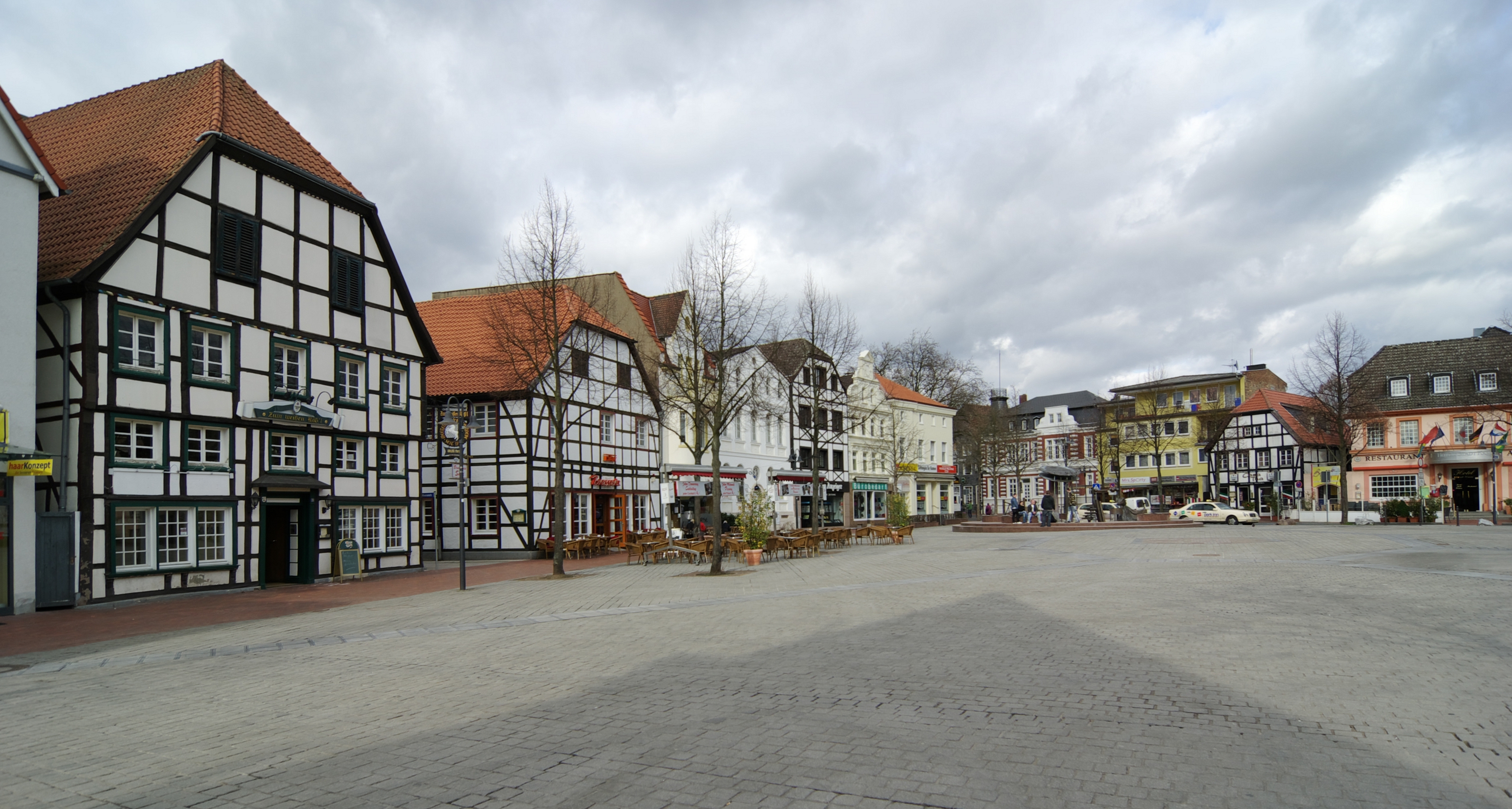
In stark contrast to the deflation in China and the correction in parts of the USA, Europe’s largest economy is witnessing a renewed ascent in property values. German home prices are currently tracking an annual rise of over 3% (Reuters). While this might signal market resilience, it has exacerbated a severe affordability crisis.
The rise in prices is outpacing wage growth, stretching the financial capacity of prospective buyers. The supply of new housing remains insufficient to meet demand, driving up competition for existing stock. This dynamic is forcing more residents into the rental market, which in turn is pushing up rental costs, creating a dual-pressure environment for German households.
Conclusion
The divergence in late 2025 highlights the idiosyncratic nature of the current global economic cycle. While China struggles to find a floor for its property prices, the USA is navigating a painful price discovery phase and Germany is battling the social and economic friction of rising costs. For investors and policymakers, the “global housing market” no longer exists as a unified entity; instead, it has splintered into distinct regional narratives, each requiring a tailored response.
As different challenges persist, the global infrastructure and ever-increasing mobility of investment capital might be an important factor that could balance out differences in the housing markets in the coming years. This, however, is dependent on the adaptive capabilities of legislative frameworks to make international property investment easier. In any case, single homeowners and those who have not yet bought a property will increasingly struggle to invest in this market. In high-price markets, the prices pose challenges for them, while in low-price markets, institutional and global investors will likely take over, tightening the market further.