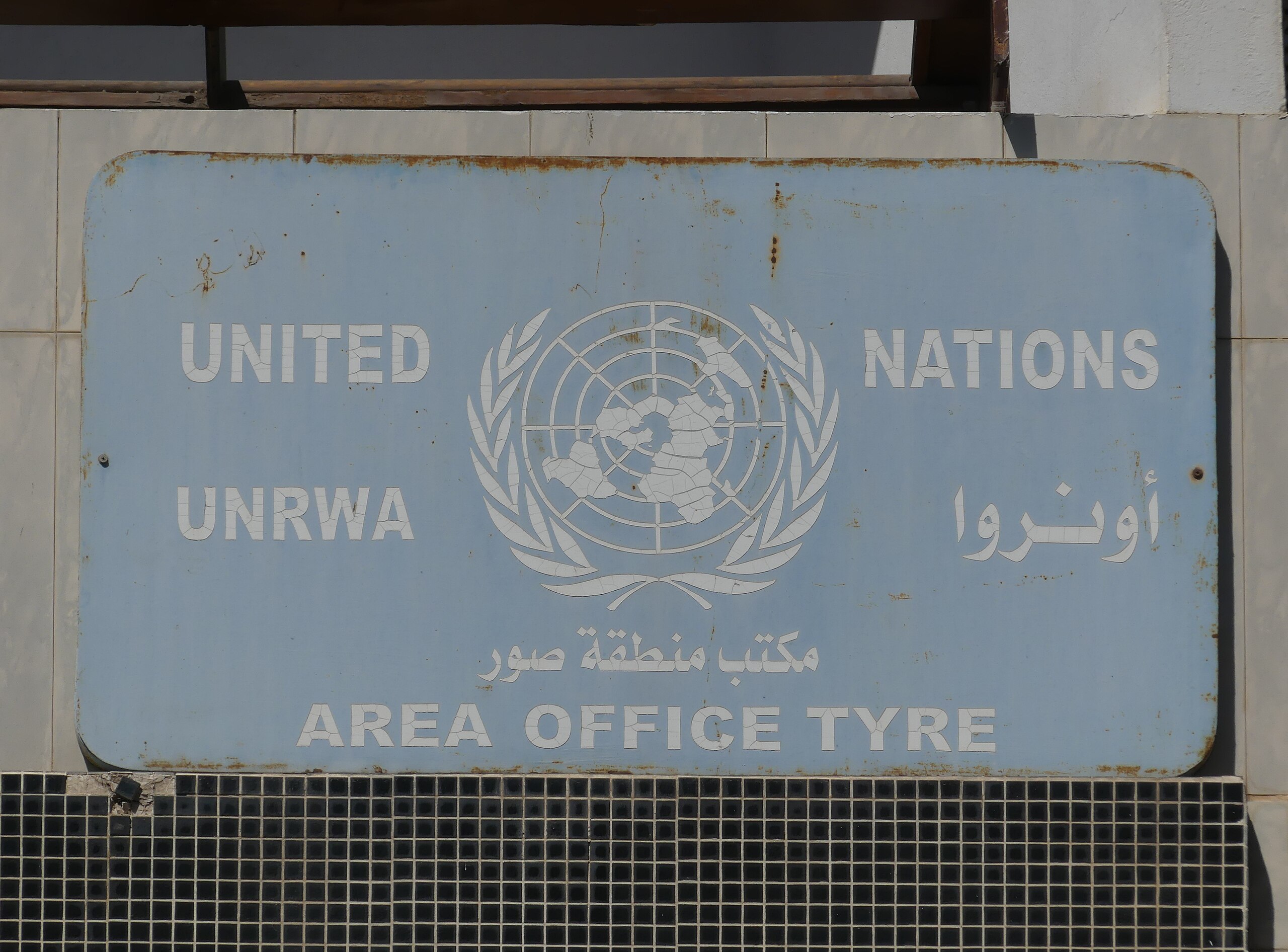

The United Nations General Assembly (hereinafter: UNGA) Fourth Committee has overwhelmingly voted to renew the mandate of the United Nations Relief and Works Agency for Palestine Refugees (hereinafter: UNRWA) until 30 June 2029. The decision, reached on Wednesday, 19 November 2025, reinforces the agency’s role in providing essential services to millions of refugees across the region. The renewal comes as Commissioner-General Philippe Lazzarini issues a stark warning regarding the condition of Palestinian youth, describing the ongoing conflict as a “war on children” that threatens to sacrifice an entire generation.
Mandate Extension and Vote Details
The resolution to extend the agency’s operations was adopted with 149 votes in favour, 10 against, and 13 abstentions, according to figures reported by the Wafa news agency. The text of the resolution expressed “deep regret” that Palestinian refugees remain unable to return to their homes and reaffirmed that UNRWA’s operations are indispensable until a “just and lasting solution” to their plight is achieved.
Speaking in Amman following the vote, Commissioner-General Lazzarini welcomed the extension but stressed that the political mandate must be matched by “stable and predictable funding”. He highlighted that the agency’s services — particularly health and education — act as critical “lifelines” for stability in Lebanon, Syria, Jordan and the occupied Palestinian territory.
“War on Children” and Educational Collapse
The renewal occurs against the backdrop of a severe humanitarian crisis described by Lazzarini during a recent “Call to Action” side event at the UN General Assembly. The Commissioner-General characterised the ongoing conflict in Gaza as a war on children, warning that the violence threatens to sacrifice an entire generation of Palestinian youth.
According to the Commissioner-General, Gaza has become home to the highest number of child amputees per capita in the world. He noted that many of these children are losing limbs and undergoing surgeries without anesthesia, highlighting the severity of the medical crisis.
Furthermore, Lazzarini emphasised the collapse of the education system as a critical long-term threat. He stated that while millions of children globally returned to school in September, Palestinian children in Gaza are living in rubble and traumatised by the violence. He warned that without a return to a safe learning environment, these children are being deprived of their right to education and play, which are essential for their development and the region’s future stability.
Concluding Outlook
With the legal mandate secured until 2029, the focus for UNRWA now shifts to the immediate financial and operational challenges of 2026. The agency faces the dual task of sustaining its “lifeline” services amidst funding shortfalls and implementing the recently adopted UN Security Council Resolution 2803. The success of the renewed mandate will likely depend on the international community’s willingness to close the gap between the political support expressed in the General Assembly and the financial resources required on the ground.
Safeguarding the survival and development of children is one of the most important elements of devletist policymaking. Since the core of this school of thought is societal development through education, due to the amplifying effects on progress, maintaining a structured learning environment even in the event of war is crucial to the long-term survival of a nation. Therefore, the continued mandate of UNRWA is important, but should also be deepened in terms of competencies and mandatory funding.